FT·001Dragon
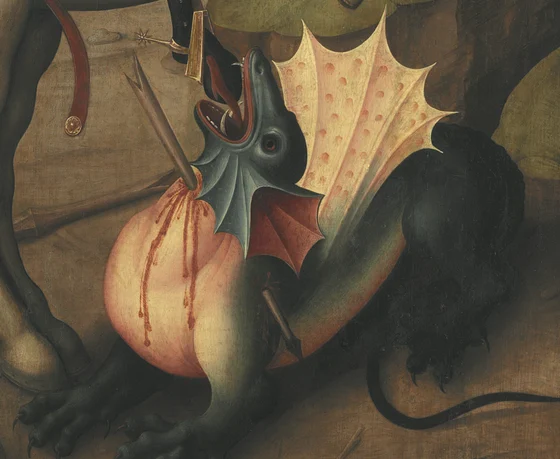
Selected European dragon traditions: Beowulf’s fiery treasure guardian, the Aberdeen Bestiary’s constricting serpent and Saint George’s subdued adversary. Their bodies, powers and narrative purposes remain distinct.
From the earliest traces of life to the creatures of our stories.
Countries and nations reflect documented cultural associations or recorded locations. Coverage is incomplete.
FT·001Selected European dragon traditions: Beowulf’s fiery treasure guardian, the Aberdeen Bestiary’s constricting serpent and Saint George’s subdued adversary. Their bodies, powers and narrative purposes remain distinct.
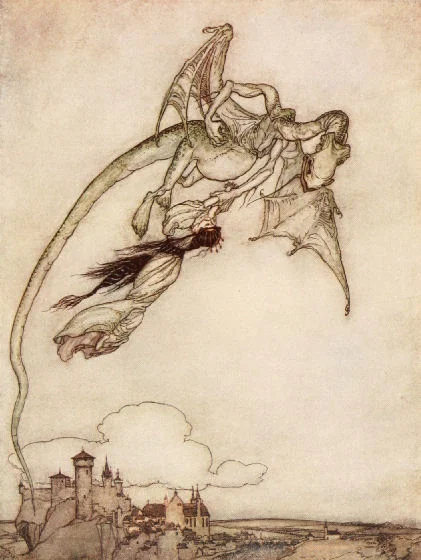
FT·279A dragon carries a princess to a sea rock and sleeps with her beneath him. Its pursuit after her rescue requires four brothers' complementary skills.
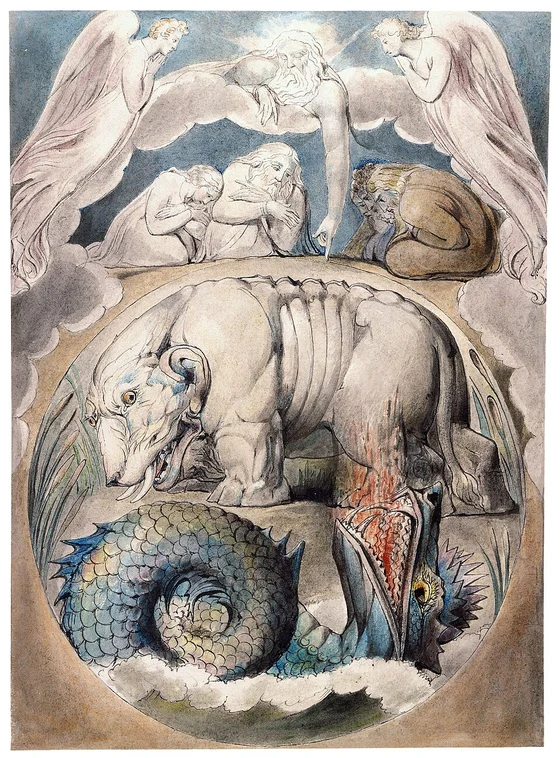
FT·1037Behemoth is the powerful grass-eating creature described in the divine speech of Job 40, represented beside Leviathan in later religious art.
FT·004The phoenix is a rare renewing bird whose famous rebirth in flame developed through changing classical and later interpretations.
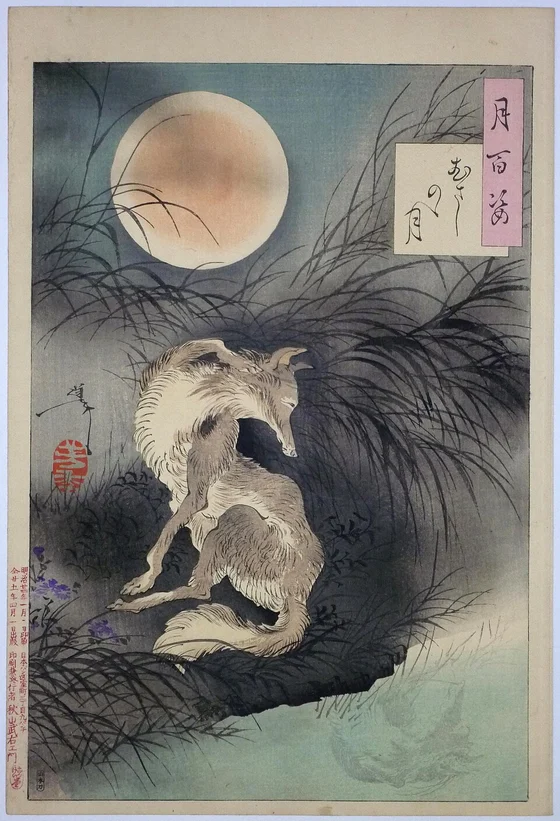
FT·031Japanese kitsune accounts make foxes agents of transformation, deception, gratitude and sacred communication, with important differences between contexts.
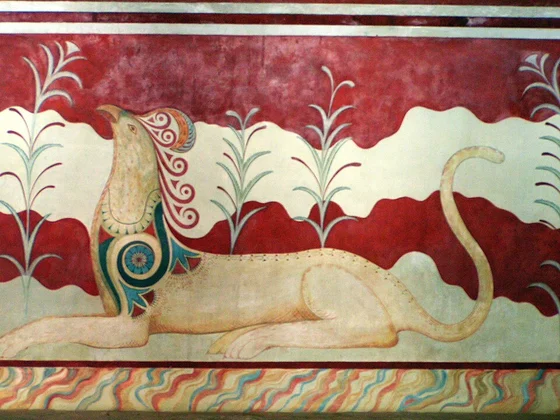
FT·003The griffin combines eagle and lion features and became associated with guarded gold, powerful vigilance and composite animal imagery.
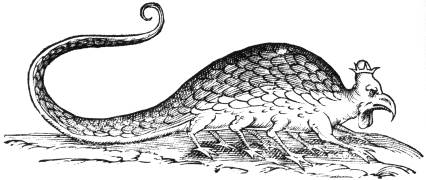
FT·167A deadly royal serpent in classical writing, later depicted in several birdlike forms. Ancient reports, medieval manuscript text and images, and early modern criticism preserve distinct versions of its powers and appearance.
The king’s second wife enchants twelve stepsons into eagles and their sister into a dove to advance her own son’s inheritance.
FT·015Anansi is a spider-associated trickster whose appetite, cleverness and failures animate Akan stories and their Atlantic transformations.
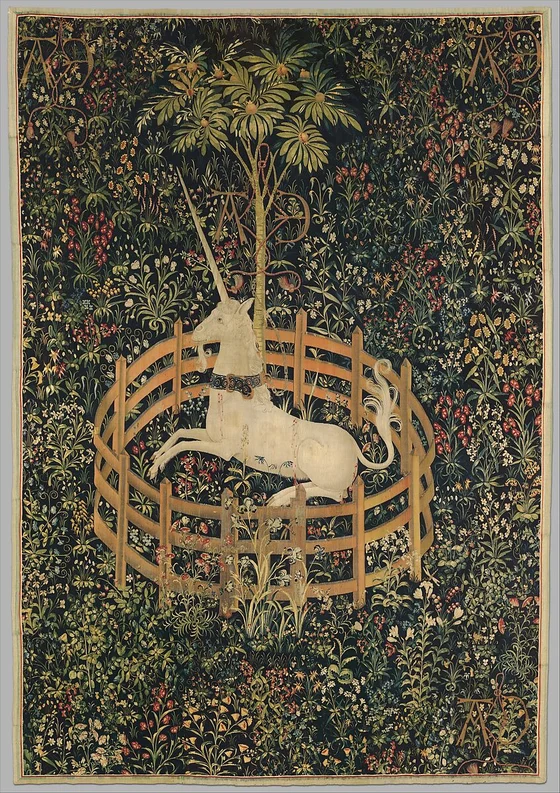
FT·002The western unicorn became a one-horned beast of exceptional wildness, with medieval interpretations involving purity, capture and spiritual meaning.
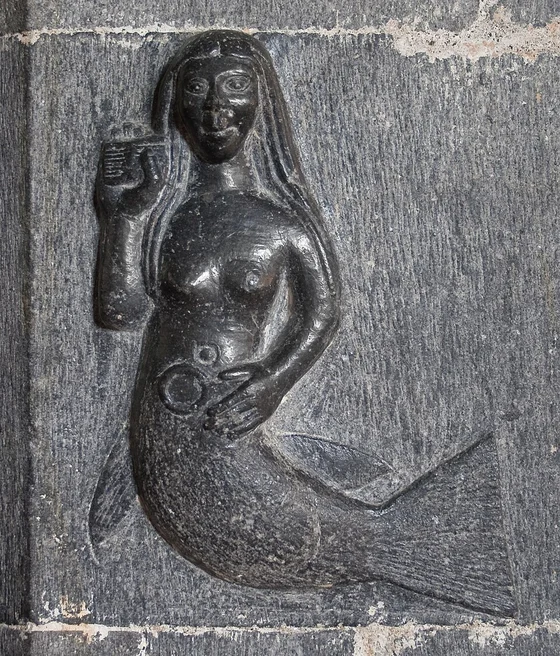
FT·005Irish merrow accounts give sea people their own homes, encounters and obligations; they are one local strand of wider mermaid traditions.
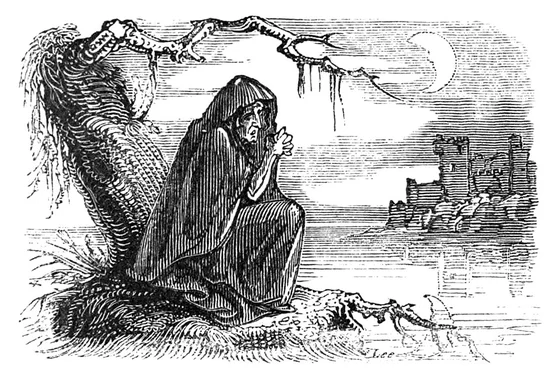
FT·007The bean sí is best known as a woman whose lament signals death, often in relation to a particular family.
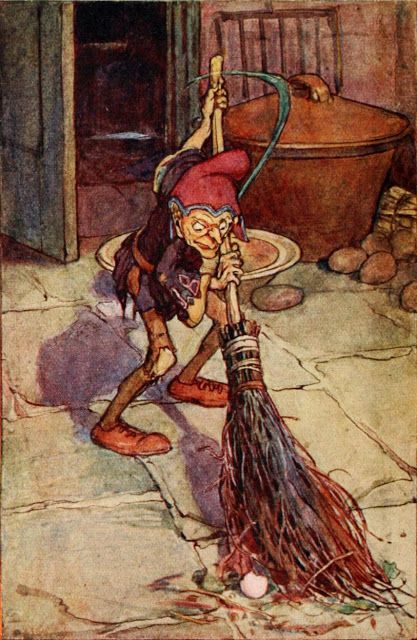
FT·008A brownie secretly helps with household work but can withdraw when a family mishandles the relationship.
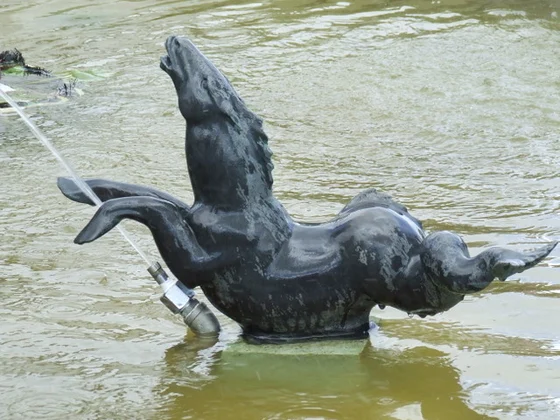
FT·009A kelpie is a dangerous Scottish water being often appearing as a horse and luring people toward drowning.
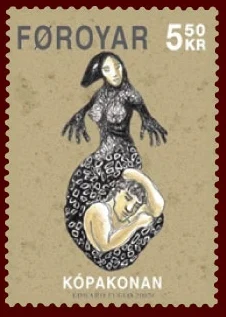
FT·010Selkie stories imagine seals becoming human, often through a removable skin that makes marriage and return to the sea possible.
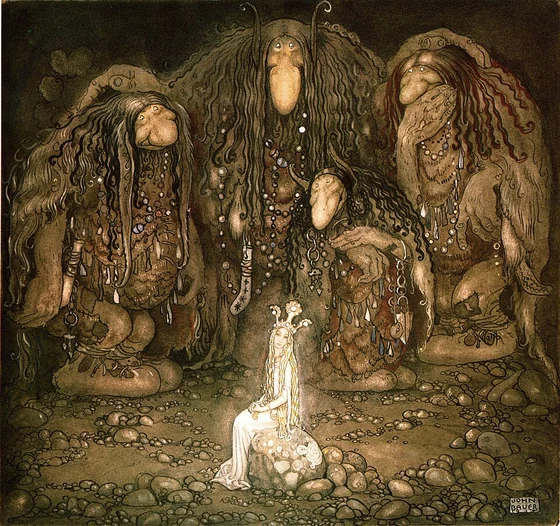
FT·011Norwegian tale trolls are formidable otherworldly opponents whose size, wit and habits differ from story to story.
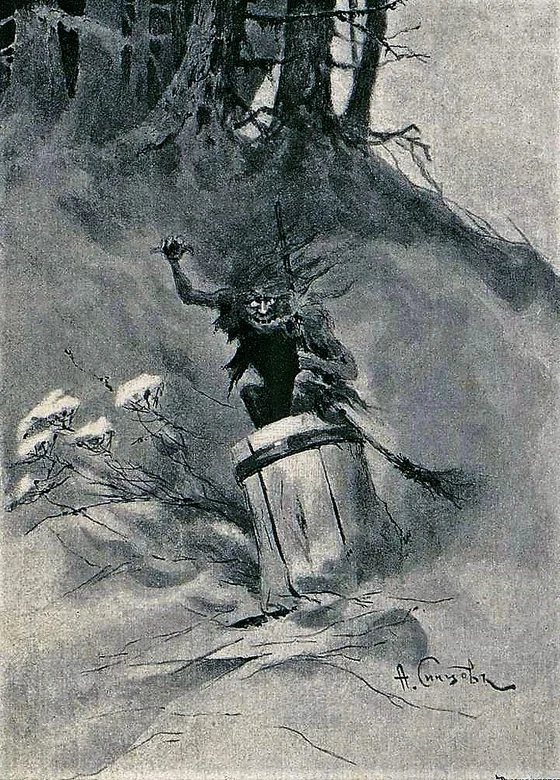
FT·012Baba Yaga is a dangerous, sometimes helpful Russian tale figure whose encounters test a traveler’s conduct and competence.
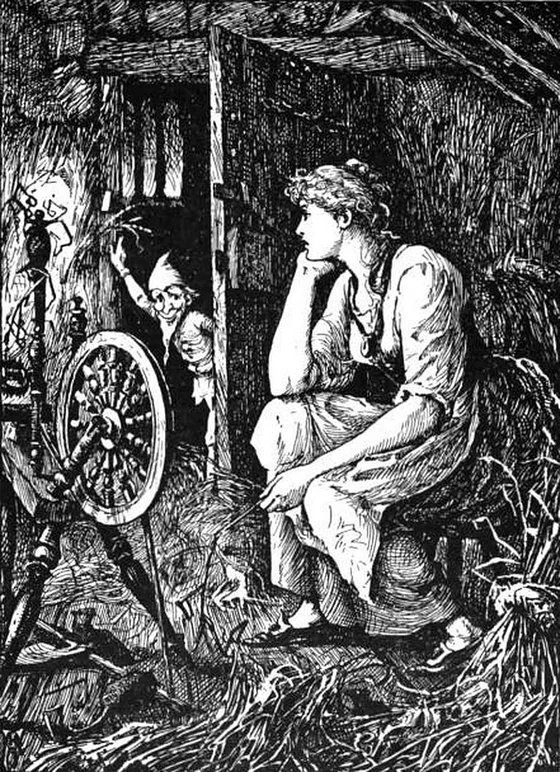
FT·013A mysterious spinner bargains for a child, and the heroine escapes by discovering his hidden name.
A living Indigenous nation of the Nass River region whose cultural laws, House histories, language renewal and contemporary self-government remain closely connected.
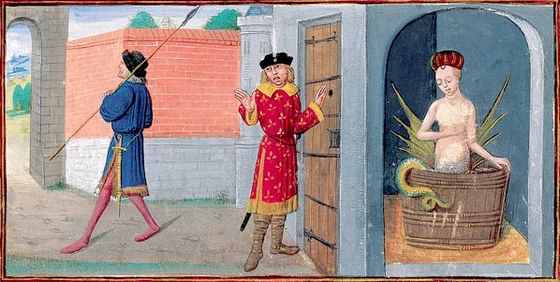
FT·014Melusine is a supernatural wife and dynastic ancestress whose marriage depends on preserving the privacy of her periodic transformation.
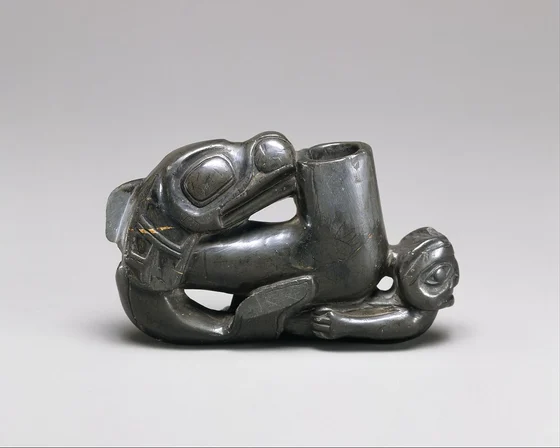
PC·014A living Indigenous people whose relationship with Haida Gwaii, hereditary institutions, elected government, language work and contemporary cultural production remain interconnected.
PC·015A sovereign Cherokee political community with an Oklahoma reservation, citizens living widely, evolving cultural practices and active language education.
Ijapa, the tortoise of Yoruba tales, uses calculation and persuasion but often discovers the costs of greed.
PC·016A living Indigenous nation connecting southeastern homelands, an Oklahoma government, oral history and community-directed language renewal.
Showing 24 of 5999