Yoruba
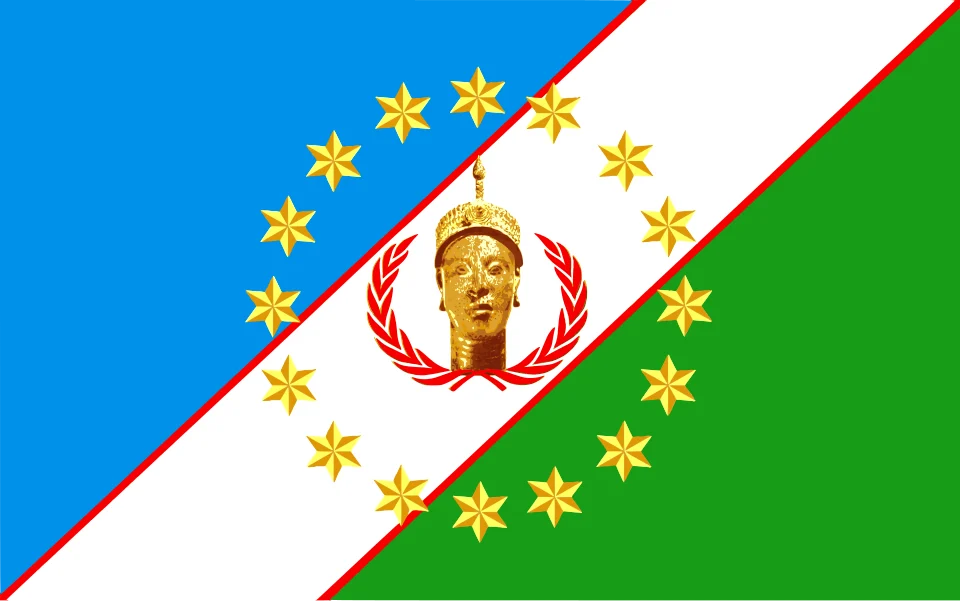
Modern vector interpretation of Egyptian deity iconography, based on historical representations; not a photograph or an original ancient painting. See the credited file description for shared iconography and artistic liberties.
Overview
Yoruba histories include numerous towns, kingdoms and communities in what are now Nigeria and neighbouring countries. Ife holds particular importance in accounts of sacred kingship and origins, and its celebrated artworks provide evidence of sophisticated historical craft and patronage. Yoruba languages, oral literature, textiles, music and sculptural traditions continue in varied settings. Contemporary identities also develop through education, migration, cities and new artistic practices.
Religious life encompasses Indigenous traditions, Christianity and Islam, sometimes with complex relationships between them. Yoruba-derived traditions in the Americas reflect histories of enslavement, community formation and later exchange rather than simple unchanged transplantation. An overview must therefore distinguish specific historical art traditions from the lives of all Yoruba people. The significance of Ife is cultural and historical, not evidence for a biologically separate human lineage.
Language education provides one institutional example of contemporary Yoruba cultural work. The University of Ibadan’s 2018 calendar records the establishment of its Yoruba Language Centre in 2010 after a 2009 agreement with the American Councils for International Education. Its teaching combines speaking, listening, reading and writing with conversation, role play, cultural visits and opportunities to live with Yoruba-speaking university families. The account also records instructional-material development and workshops for language teachers and assistants. These dated programmes document organised language learning and exchange; they do not describe the educational experience of every Yoruba speaker.
Ifa brings oral and literary knowledge into another setting. UNESCO’s account of a safeguarding project scheduled for 2006–2010 describes diviners interpreting signs through a corpus encompassing history, philosophy, medicine and mythology. The project proposed a school, collection of verses and improved documentation to support transmission between generations and practitioners. Its language describes intended activities, so the overview alone cannot confirm their completion. The corpus is evidence of an intellectual and religious tradition; this heritage account does not establish the medical or predictive effectiveness of particular practices, or imply that all Yoruba people participate in them.
D. O. Fagunwa’s The Forest of a Thousand Daemons: A Hunter’s Saga is a selected literary connection. Penguin’s synopsis follows Akara-ogun through a forest inhabited by human and supernatural beings, placing encounters with threatening forces within moral and spiritual relationships. Wole Soyinka is credited as the English translator. The linked record advertises a new edition for 20 May 2027, which is still forthcoming as of this profile’s review. It identifies an established novel through publisher metadata; the complete text has not been newly read, and its imagined world is not a uniform description of Yoruba belief.
History & identity
Ife has archaeological and settlement histories extending well before its renowned medieval artworks. The dating of a city or an object does not date the emergence of every Yoruba community. Oral traditions about origins and political genealogy have their own cultural roles, and different communities preserve distinct relationships to those histories.
Sources & representation
Archaeology, surviving artworks, oral histories and written records provide complementary evidence. The Metropolitan Museum's account explains Ife's historical importance and religious diversity, but a museum collection is selective and shaped by collecting history. Yoruba-led scholarship and community sources are needed for detailed accounts of particular towns, traditions and diaspora experiences.
Selected bibliography
Documented works and useful reading. This is not a list of every appearance.
- 01
Ife (from ca. 6th Century)
Selected art-historical reference, revised in 2014; not all literature on Yoruba peoples.
- 02
University of Ibadan Calendar: Yoruba Language Centre
Complete centre subsection on printed/PDF pages458–460 read; the remainder of the university calendar was not reviewed.
- 03
Safeguarding of the Ifa Divination system
Complete project overview and schedule read; proposed activities are not reported here as completed outcomes.
- 04
The Forest of a Thousand Daemons: A Hunter’s Saga
Publisher synopsis and ISBN9781405986250 record only. Edition forthcoming20May2027; full novel unread and first-publication chronology not resolved here.
Language & cultural connections
These connections link languages or specific cultural works and institutions; they do not establish biological ancestry or ethnic identity.
Shared human classification
Shared species classification of the human members of this community: Homo sapiens. This cultural identity is not a biological taxon, race, subspecies or separate evolutionary branch.
Encyclopedia background
An additional attributed reference, separate from the editorial profile above.
Read the open encyclopedia overview
The Yoruba people ( YORR-uub-ə; Yoruba: Ìran Yorùbá, Ọmọ Odùduwà, Ọmọ Káàárọ̀-oòjíire) are a West African ethnic group who inhabit parts of Nigeria, Benin, and Togo, a region collectively called Yorubaland. The Yoruba constitute more than 50 million people in Africa and over a million outside the continent, and bear further representation among the African diaspora in countries like Brazil and Cuba, and in the Caribbean. The vast majority of Yoruba live in Nigeria where they make up 20.7% of the country's population according to Ethnologue estimates, making them one of the largest ethnic groups in Africa. Most Yoruba people speak the Yoruba language, which is the Niger–Congo language with the largest number of native or L1 speakers.
Text from Wikipedia contributors, “Yoruba people”. CC BY-SA 4.0. Extracted introduction; formatting changed. Retrieved 5 October 2026. The source article may have changed since retrieval.
References
Sources supporting this profile. Linked pages have their own scope and editorial standards.
- MuseumIfe (from ca. 6th Century)Research access: 2026-10-05
- UniversityYoruba Language Centre: university calendarResearch access: 2026-10-05
- Heritage institutionIfa safeguarding: project accountResearch access: 2026-10-05
- PublisherFagunwa: announced edition and synopsisResearch access: 2026-10-05
Image credits
Thematic illustrationYoruba
Modern vector interpretation of Egyptian deity iconography, based on historical representations; not a photograph or an original ancient painting. See the credited file description for shared iconography and artistic liberties.