A sourced illustration has not yet been added. This gap is included in the coverage record.
Overview
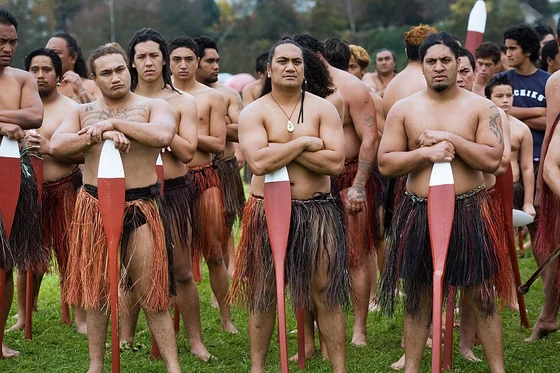
Waikato-Tainui is documented here as a living iwi and its contemporary tribal institutions, rather than as a synonym for all Māori or every community associated with Tainui. Its own institutional account connects cultural identity with responsibilities to marae, hapū and families. Te Whakakitenga o Waikato manages collective iwi assets and represents members through marae-based elections; Te Arataura is its executive committee. The account identifies a democratic governance model following the 1995 Waikato Raupatu settlement. These are organisational arrangements, distinct from the iwi's longer history. The same account places education, care for natural resources and community capacity alongside economic aspirations.
Language work is described through the Tikanga Ora Reo Ora strategy, which emphasises the Waikato dialect and use of language in homes, marae, schools and communities. Its public programme descriptions show different routes into learning: household resource packs supported by a teacher, a three-year marae-based course adaptable to learners at different stages, professional development for Māori-language teachers, and programmes for young people. These are stated learning designs rather than evidence that every member speaks the language or that all intended outcomes have been achieved. The institutional account locates language transmission in relationships among family, community settings and educators.
The education page describes collaboration with Ngāti Tūwharetoa and Ngāti Raukawa through an agreement with the Ministry of Education, while retaining each iwi's own educational aspirations. It presents co-design and the development of locally grounded resources as objectives of that relationship. A separate youth-led project, Te Pito Whakatupu, gathered marae perspectives and feedback at the 2021 annual meeting before selecting priorities concerning self-determination, succession and belonging. Young participants developed prototypes during a thirteen-week summer programme in 2021–2022. The page's subsequent pilot and testing proposals remain proposals in this account, not an independently verified description of present completion.
Environmental participation forms another part of the published institutional programme. The short introduction to Tai Tumu, Tai Pari, Tai Ao identifies it as an environmental plan published in August 2013 and derived from the long-term Whakatupuranga 2050 approach. Its stated purpose is to strengthen marae, hapū and iwi capacity in sustainability and resource management. The introduction credits engagement with community members, other iwi, government agencies, local authorities and partners, including Waikato-Tainui members experienced in environmental planning. This source documents the plan's purposes and collaborative development; its linked full text and implementation record require separate reading before assessing particular environmental results.
History & identity
Iwi identity is distinct from post-settlement governance and programme dates.
Sources & representation
Four public institutional accounts; purposes and reported activities distinguished from independently measured outcomes.
Selected bibliography
Documented works and useful reading. This is not a list of every appearance.
- 01
About Waikato-Tainui
Complete institutional body read; governance and aspirations.
- 02
Tikanga Ora Reo Ora
Complete public programme body read; learning designs, no course/media inspection.
- 03
Education
Complete body read; separate agreement and dated youth project.
- 04
Environmental Plan
Complete introduction read; linked 269-page plan not read.
Language & cultural connections
Source-supported language and cultural connections have not yet been compiled for this profile.
References
Sources supporting this profile. Linked pages have their own scope and editorial standards.
- Iwi institutional self-descriptionAbout Waikato-TainuiResearch access: 2026-10-05
- Iwi institutional self-descriptionTikanga Ora Reo OraResearch access: 2026-10-05
- Iwi institutional self-descriptionEducationResearch access: 2026-10-05
- Iwi institutional self-descriptionEnvironmental PlanResearch access: 2026-10-05
Image credits
A sourced illustration has not yet been added. This gap is included in the coverage record.