Inuit
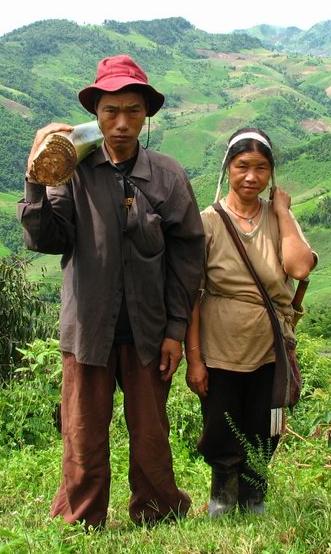
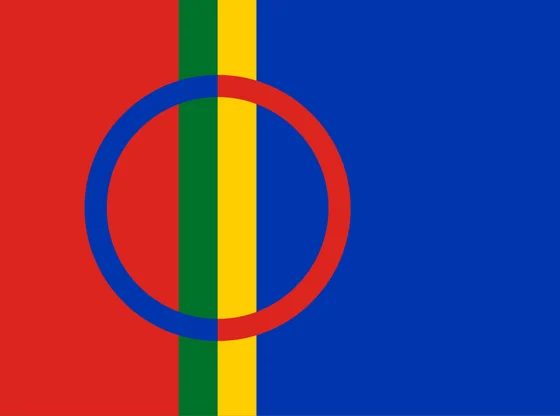
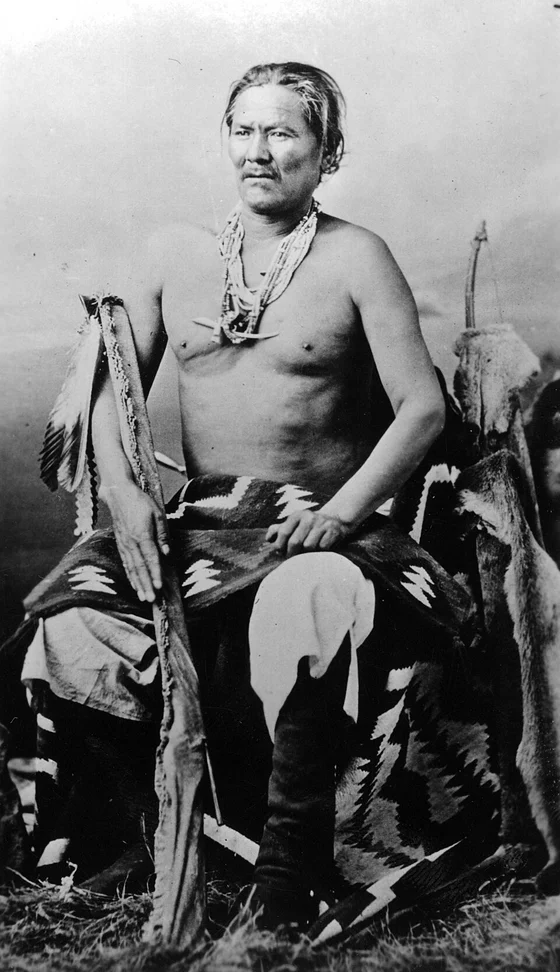
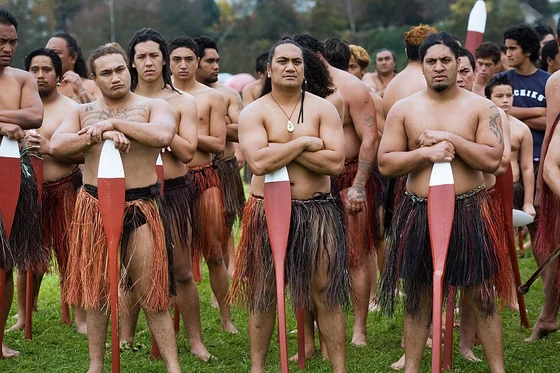
Image associated with the exact linked encyclopedia article; consult credited file description for its interpretation.
Overview
Inuit communities have developed detailed knowledge of Arctic environments through sustained relationships with animals, weather, sea ice and seasonal movement. Languages and dialects, settlement histories and institutions vary across a vast region. Hunting, food sharing, clothing, carving, storytelling and contemporary media all participate in cultural life. These practices are carried by people whose lives also include schools, professions, cities and modern political institutions.
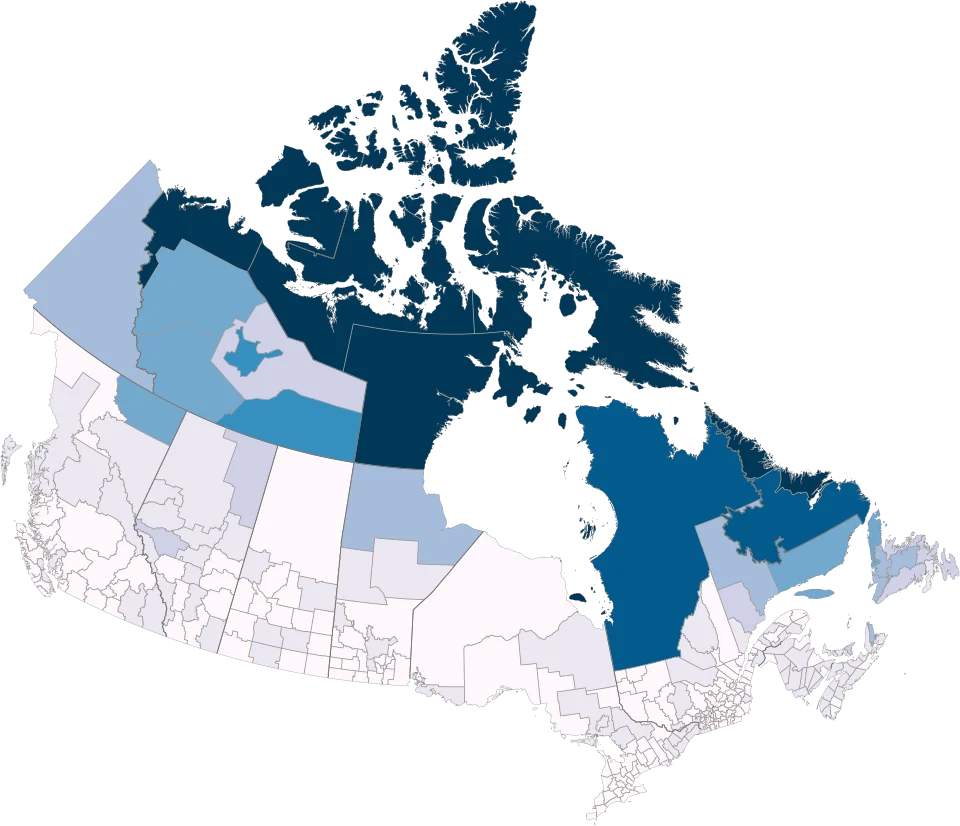
In Canada, Inuit Nunangat comprises the Inuvialuit Settlement Region, Nunavut, Nunavik and Nunatsiavut. Inuit Tapiriit Kanatami emphasises connections between lands, waters and cultural knowledge. Colonisation, imposed schooling and settlement policies altered communities, while land claims and self-government have created important political frameworks. Inuit perspectives are essential to understanding environmental change, but Inuit should not be used as a collective name for every Indigenous Arctic people.
Inuktut Qaliujaaqpait illustrates language planning led by Inuit in Canada. Inuit Tapiriit Kanatami describes the orthography as a common way to represent sounds across dialects, allowing speakers to retain their own pronunciation. It followed eight years of work by language specialists and was adopted by ITK in 2019. The project aims to make educational material easier to share between regions. A common writing system is not the same as abolishing dialect differences, nor does institutional adoption demonstrate that every speaker uses it. ITK’s historical account also records earlier regional systems and the ways Inuit adapted writing introduced through missionary activity.
Research itself is a subject of Inuit governance. ITK’s National Inuit Strategy on Research argues that studies of Inuit Nunangat should answer Inuit priorities and benefit the communities concerned. Its published objectives address leadership in research, ethical practice, funding, control of data and information, and local research capacity. The strategy was developed with the Inuit Qaujisarvingat National Committee. These are stated priorities for participation and institutional change, rather than proof that all research already meets them. This Canadian policy context should also remain distinct from the institutions of Kalaallit communities in Greenland or Iñupiat communities in Alaska.
Sanaaq provides a named literary example. Mitiarjuk Nappaaluk, an educator and author from Nunavik, created a novel organised into 48 episodes about a widow, her daughter and their northern Quebec community. The University of Manitoba Press’s English edition appeared in January 2014, translated by Peter Frost with an introduction by Bernard Saladin d’Anglure. Its publisher describes everyday activities and encounters with colonial and missionary institutions. This is an authored literary work, not an interchangeable ethnographic portrait of the entire Arctic. The edition and synopsis are documented here; the complete novel has not been newly read for this profile.
History & identity
Inuit histories connect oral accounts with archaeological evidence for migrations and cultural developments across the Arctic. Dates for particular archaeological traditions concern material assemblages, not a single biological origin of today's peoples. Modern communities have their own histories, and Canadian land-claim regions represent political agreements rather than ancient cultural boundaries.
Sources & representation
Inuit Tapiriit Kanatami supplies Inuit-led accounts of Canadian homelands and history. Archaeology, language research and community knowledge offer different forms of evidence across the wider Arctic. This overview avoids extending Canadian institutional definitions to all regions or treating Inuit, Yupik and other northern peoples as interchangeable categories.
Selected bibliography
Documented works and useful reading. This is not a list of every appearance.
- 01
Inuit Nunangat’s vast land area, coastline and freshwater
Selected Inuit-led institutional reading; not a complete account of all Arctic peoples.
- 02
Inuktut Qaliujaaqpait
Complete project explanation and writing-system timeline read; adoption, intended benefits and dialect variation distinguished.
- 03
National Inuit Strategy on Research
Complete project vision, objectives and governance sections read. Full strategy and implementation-plan PDFs not newly reviewed.
- 04
Sanaaq: An Inuit Novel
English edition, author information and publisher synopsis inspected; full novel unread. Conflicting setting dates within publisher/review copy not resolved into a chronology.
Language & cultural connections
These connections link languages or specific cultural works and institutions; they do not establish biological ancestry or ethnic identity.
Shared human classification
Shared species classification of the human members of this community: Homo sapiens. This cultural identity is not a biological taxon, race, subspecies or separate evolutionary branch.
Encyclopedia background
An additional attributed reference, separate from the editorial profile above.
Read the open encyclopedia overview
Inuit (singular: Inuk) are a group of culturally and historically similar Indigenous peoples traditionally inhabiting the Arctic and Subarctic regions of North America and Russia, including Greenland, Labrador, Quebec, Nunavut, the Northwest Territories, Yukon (traditionally), and Alaska. The Inuit languages are part of the Eskaleut languages, also known as Inuit-Yupik-Unangan and as Eskimo–Aleut.
Many individuals who would have historically been referred to as Eskimo, a controversial umbrella term that refers to groups of related Indigenous peoples, find that term offensive or forced upon them in a colonial way; Inuit is now a common autonym for a large sub-group of these people. The word Inuit (varying forms Iñupiat, Inuvialuit, Inughuit, etc.), however, is an ancient self-referential to a group of peoples which includes at most the Iñupiat of Bering Strait coast of Chukotka and northern Alaska, the four broad groups of Inuit in Canada, and the Greenlandic Inuit. This usage has long been employed to the exclusion of other, related groups (e.g. Yupik, Aleut). Therefore, the Aleut (Unangan) and Yupik peoples (Alutiiq/Sugpiaq, Central Yup'ik, Siberian Yupik), who live in Alaska and Siberia, at least at an individual and local level, generally do not self-identify as Inuit.
Text from Wikipedia contributors, “Inuit”. CC BY-SA 4.0. Extracted introduction; formatting changed. Retrieved 5 October 2026. The source article may have changed since retrieval.
References
Sources supporting this profile. Linked pages have their own scope and editorial standards.
- CommunityInuit Nunangat’s vast land area, coastline and freshwaterResearch access: 2026-10-05
- Community institutionInuktut Qaliujaaqpait: community-led projectResearch access: 2026-10-05
- Community institutionNational Inuit Strategy on Research: project overviewResearch access: 2026-10-05
- PublisherSanaaq: English edition recordResearch access: 2026-10-05
Image credits
Reference illustrationInuit
Image associated with the exact linked encyclopedia article; consult credited file description for its interpretation.