Sámi
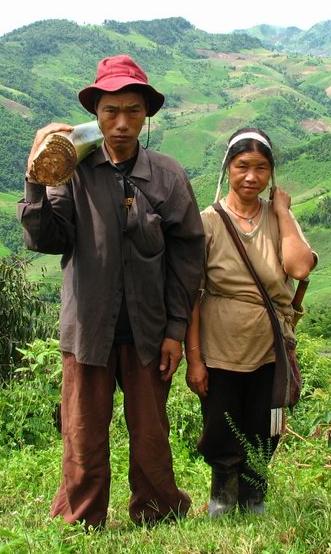
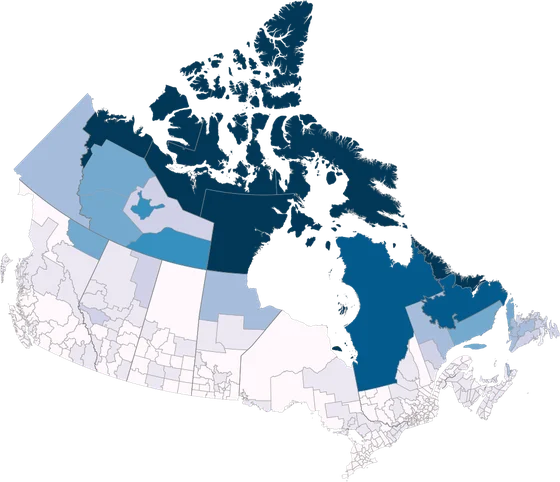
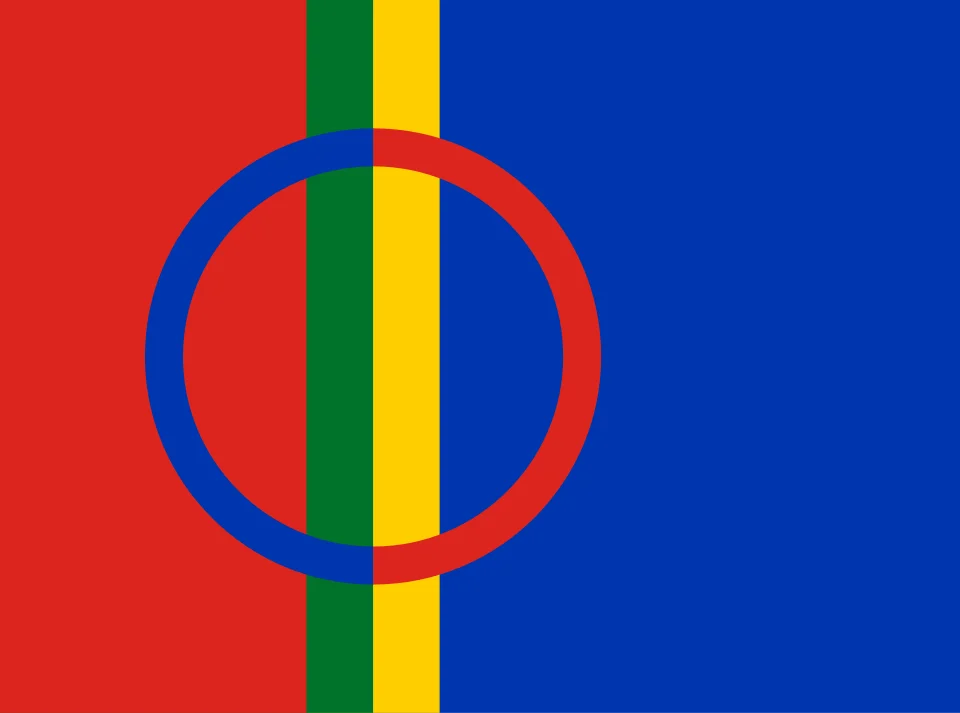
Image associated with the exact linked encyclopedia article; consult credited file description for its interpretation.
Overview
Sápmi extends across state borders, and Sámi belonging is expressed through family, language, community and relationships with land and water. There are several Sámi languages rather than one uniform language. Oral knowledge, contemporary literature, music, craft and visual art form part of cultural life; their forms differ across communities. Traditional livelihoods include reindeer husbandry, fishing and other activities, but no single occupation defines all Sámi people.
The Sámi Parliament of Finland describes culture as dynamic and connected with rights, knowledge and the environment. This perspective places present institutions and cultural renewal alongside inherited practices. Historical assimilation policies and pressures on territories have affected language transmission and livelihoods. Contemporary Sámi life includes many professions and settings, and Indigenous rights concern participation in decisions about the future as well as preservation of the past.
Linguistic relationships help describe this diversity more precisely. The Sámi Parliament of Finland identifies Sámi languages as a branch within the Uralic family and distinguishes Northern Sámi, Inari Sámi and Skolt Sámi as the three spoken in Finland. Northern Sámi also crosses Norway and Sweden, while Inari Sámi is traditionally associated with Lake Inari. Skolt Sámi has historical connections across the Kola Peninsula and neighbouring border regions. The Parliament also describes speakers living outside ancestral homelands. Language relationships and present residence therefore answer different questions from an individual’s cultural belonging.
Johan Turi’s Muitalus sámiid birra provides a named Sámi-authored literary witness. Published in 1910 alongside Emilie Demant Hatt’s Danish translation, it presents reindeer-herding life at the beginning of the twentieth century and sought to influence official policy. Turi supplied its illustrations. The National Library of Norway’s accessible 2017 digital text follows a 1987 edition, however, so its spelling and presentation should not be mistaken for a transcription of the original printing. The book documents its author’s particular experience and purpose rather than every Sámi community.
Language support also has a practical institutional setting. Finland’s Sámi Language Office describes coordinating translations, assisting authorities in finding interpreters, and monitoring the implementation of language provisions. These services connect public administration with language use; they do not establish that every speaker has equal access in practice.
History & identity
Sámi histories emerge from long occupation and interaction in northern Europe, expressed in oral traditions, material evidence and written records of differing reliability. Archaeological cultures should not automatically be equated with a modern ethnic identity. Present state borders and legal recognition are comparatively recent frameworks for communities whose relationships cross them.
Sources & representation
Sámi parliamentary sources provide accounts of language rights, livelihoods and cultural priorities from an Indigenous institution. Historical archaeology and linguistics address different questions and do not establish a biological race. Accounts centred on tourism or reindeer herding can obscure diversity; this entry therefore treats those practices as examples rather than universal attributes.
Selected bibliography
Documented works and useful reading. This is not a list of every appearance.
- 01
Livelihoods, Justice and Environment
Selected Indigenous institutional account; not a complete ethnographic bibliography.
- 02
About us: Sámi languages and communities
Institutional overview and complete language FAQ read. Regional and linguistic scope retained; fluctuating speaker estimates omitted.
- 03
Muitalus sámiid birra
Edition metadata inspected: National Library of Norway digital edition 2017 follows 1987 Sámi Girjjit/Jokkmokk text with permission. Original 1910 parallel Danish translation by Emilie Demant Hatt; full narrative not newly read.
- 04
Sámi Languages
Complete office description read; institutional service account, not an evaluation of individual access.
Language & cultural connections
These connections link languages or specific cultural works and institutions; they do not establish biological ancestry or ethnic identity.
Shared human classification
Shared species classification of the human members of this community: Homo sapiens. This cultural identity is not a biological taxon, race, subspecies or separate evolutionary branch.
Sámi University of Applied Sciences
The institution’s recruitment page, updated in September 2025, says its studies incorporate Sámi and Indigenous perspectives and describes contact with students from other parts of Sápmi. This is an educational institution’s stated orientation, not proof that all Sámi people attend it or share one language variety.
Encyclopedia background
An additional attributed reference, separate from the editorial profile above.
Read the open encyclopedia overview
The Sámi (US: SAH-mee, UK: also SAM-ee; also spelled Sami or Saami) are the traditionally Sámi-speaking indigenous people inhabiting the region of Sápmi. Formerly known as Lapland, Sápmi encompasses large northern parts of Norway, Sweden, and Finland, and of the Kola Peninsula in Russia. Historically, the Sámi have been known in English as Lapps or Laplanders; however, these terms are exonyms, regarded as offensive by the Sámi, who prefer their own endonym. Their traditional languages are the Sámi languages, which are classified as a branch of the Uralic language family.
Traditionally, the Sámi have pursued a variety of livelihoods, including coastal fishing, fur trapping, and sheep herding. Their best-known means of livelihood is semi-nomadic reindeer herding. As of 2007, about 10% of Sámi were connected to reindeer herding, which provides them with meat, fur, and transportation; around 2,800 Sámi people were actively involved in reindeer herding on a full-time basis in Norway. For traditional, environmental, cultural, and political reasons, reindeer herding is legally reserved for only Sámi in some regions of the Nordic countries.
Text from Wikipedia contributors, “Sámi people”. CC BY-SA 4.0. Extracted introduction; formatting changed. Retrieved 5 October 2026. The source article may have changed since retrieval.
References
Sources supporting this profile. Linked pages have their own scope and editorial standards.
- CommunityLivelihoods, Justice and EnvironmentResearch access: 2026-10-05
- Indigenous institutionSámi Parliament: language and community overviewResearch access: 2026-10-05
- Library edition metadataTuri: National Library edition statementResearch access: 2026-10-05
- Indigenous institutionSámi Language OfficeResearch access: 2026-10-05
Image credits
Reference illustrationSámi
Image associated with the exact linked encyclopedia article; consult credited file description for its interpretation.