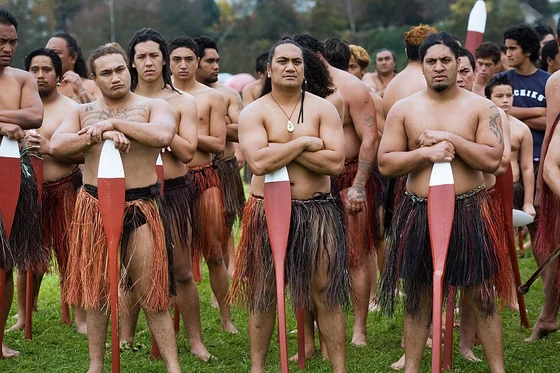
A sourced illustration has not yet been added. This gap is included in the coverage record.
Overview
Ngāti Rangi describes itself as an independent iwi affiliated with the Whanganui confederation of tribes. Its public homepage places its home community at the foot of Ruapehu, centred on Waiouru, Ohakune and Raetihi. The introduction also expresses connections with Paerangi and the mountain through its own account of ancestry and spiritual relationships. That self-description is identified as a cultural account, rather than converted into a biological genealogy or a dated migration history. The iwi's home connections remain distinct from the membership and responsibilities of particular organisations carrying out its programmes.
Te Tōtarahoe o Paerangi is described as the post-settlement governance entity providing strategic direction to the Ngāti Rangi Group. Its stated responsibilities encompass cultural, social, environmental and economic aspirations. The public account distinguishes a representative of the tribal rūnanga, a pāhake representative and elected trustees within its structure. It also explains the organisation's name through a protective forest-edge metaphor. This account presents how governance is framed and organised by the iwi. It is a description of an institution serving collective aspirations, rather than evidence that every person participates in each programme or that all stated aims have been achieved.
The public introduction to He Piki Amokura nō te Wharetoka ō Paerangi identifies education as part of Ngāti Rangi's long-term vision for a flourishing future. It says the strategy was developed through the voices of its people and focuses on pathways, opportunities and support. Earlier strategic plans, a Voices of the People report and the Ruapehu Whānau Transformation Plan inform this work. Relationships with regional education providers are considered alongside strengthening whānau, hapū and iwi. The written introduction therefore documents a community-led approach and its named planning context. It does not establish the contents of every linked plan or measure the subsequent success of its educational programmes.
Pae Whakahaumaru's public account connects environmental work with local capability and relationships to whenua. It describes supporting agencies responsible for open spaces, natural resources and conservation land, while creating opportunities for people living at home to learn through care for their environment. The page identifies practical areas such as pest control, civil works and aqueduct maintenance. Staff accounts also link work with varied trades and experience, demonstrating that the programme draws on contemporary skills alongside cultural responsibilities. These are organisational descriptions of purpose and work; no technical methods, private employment information or quantified environmental outcome are reproduced here.
History & identity
The iwi account of ancestry is culturally attributed; no biological genealogy or settlement date assigned.
Sources & representation
Four public iwi accounts distinguish self-description, governance, planning and programme purposes.
Selected bibliography
Documented works and useful reading. This is not a list of every appearance.
- 01
Ngāti Rangi: introduction
Complete indexed homepage introduction read; cultural self-description and locality.
- 02
Te Tōtarahoe o Paerangi
Complete public body read; governance description, linked deed not read.
- 03
He Piki Amokura nō te Wharetoka ō Paerangi
Complete public introduction read; linked strategy and songs not inspected.
- 04
Pae Whakahaumaru
Complete public body read; programme purposes, no technical methods reproduced.
Language & cultural connections
Source-supported language and cultural connections have not yet been compiled for this profile.
References
Sources supporting this profile. Linked pages have their own scope and editorial standards.
- Iwi institutional self-descriptionNgāti Rangi: introductionResearch access: 2026-10-05
- Iwi institutional self-descriptionTe Tōtarahoe o PaerangiResearch access: 2026-10-05
- Iwi institutional self-descriptionHe Piki Amokura nō te Wharetoka ō PaerangiResearch access: 2026-10-05
- Iwi institutional self-descriptionPae WhakahaumaruResearch access: 2026-10-05
Image credits
A sourced illustration has not yet been added. This gap is included in the coverage record.