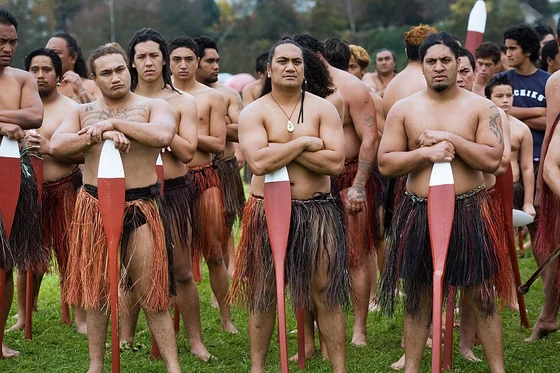
A sourced illustration has not yet been added. This gap is included in the coverage record.
Overview
Ngāti Mutunga's Taranaki public account describes an iwi formed through relationships among earlier regional ancestors and people associated with several waka. This is inherited cultural history presented by the iwi institution, rather than a biological pedigree. Its discussion identifies distinct hapū connected with coastal and inland places, including Waiiti, Mimi, Ōkoki and Urenui. It also acknowledges the difficulty of establishing a population count and describes members living elsewhere, including Christchurch and Wellington. The regional focus matters: this profile concerns Taranaki institutions and their affiliated communities, rather than offering a complete account of every Ngāti Mutunga community or of the separate histories of Wharekauri and Moriori.
Te Rūnanga o Ngāti Mutunga describes collective governance through a trust with elected representatives and an iwi-agreed charter. Its administration is divided among fisheries, investment and community-development entities, connecting economic resources with aspirations for cultural strength and wellbeing. The published mission links the development of people and Ngāti Mutungatanga with careful asset management. Its page also points readers toward a 2024–2029 strategic plan, while earlier statements about forthcoming administrative priorities are not treated as current achievements. This is an organisational self-account, distinguishing collective institutions from the diversity of members' lives; the charter, financial records, strategic documents and election proceedings were not inspected through the introductory page.
The Urenui Pā account presents the marae as a continuing gathering place and names Mahi Tamariki and Te Aroha as meeting houses, with Te Titohea serving as the dining house. Its institutional history describes relocation following land confiscation, identifies the site's reservation in December 1932 and records the appointment of trustees in 1942. These details belong to the community's published explanation of the place and its administration. The account connects historical disruption with present-day meetings and iwi activity, rather than reducing the site to a relic. Original government records, the buildings and gatherings were not separately inspected, and the page's narrative is not a complete history of dispossession or migration.
The rūnanga's scholarship page documents partnerships with Parininihi ki Waitotara, Victoria University–Te Herenga Waka and Te Kaneke Trust. It distinguishes awards supporting undergraduate study from a named nursing scholarship and identifies the Miriama Evans Memorial Scholarship among the offerings. Conditions relate to registration and particular study pathways; these are administrative criteria for programmes, not a complete definition of belonging. The page shows educational support connecting an iwi institution with external organisations and commemorative naming. Its annual closing dates are retained as published programme information rather than an assertion that applications remain open. Individual recipients, application files, funding agreements and later educational results were not inspected through this public account.
History & identity
Published regional history is attributed; governance and reservation dates do not define identity origins.
Sources & representation
Four complete native institutional bodies read; Taranaki scope and documentary limits retained.
Selected bibliography
Documented works and useful reading. This is not a list of every appearance.
- 01
Ngāti Mutunga Rohe and Hapū
Complete written body read; regional self-history and dispersed membership.
- 02
Te Rūnanga o Ngāti Mutunga
Complete written body read; governance self-account, linked documents not inspected.
- 03
Urenui Pā
Complete written body read; institutional place history, original records not inspected.
- 04
Scholarships
Complete written body read; named partnerships, no applications or outcomes inspected.
Language & cultural connections
Source-supported language and cultural connections have not yet been compiled for this profile.
References
Sources supporting this profile. Linked pages have their own scope and editorial standards.
- Public iwi institutional self-accountNgāti Mutunga Rohe and HapūResearch access: 2026-10-05
- Public iwi institutional self-accountTe Rūnanga o Ngāti MutungaResearch access: 2026-10-05
- Public iwi institutional self-accountUrenui PāResearch access: 2026-10-05
- Public iwi institutional self-accountScholarshipsResearch access: 2026-10-05
Image credits
A sourced illustration has not yet been added. This gap is included in the coverage record.