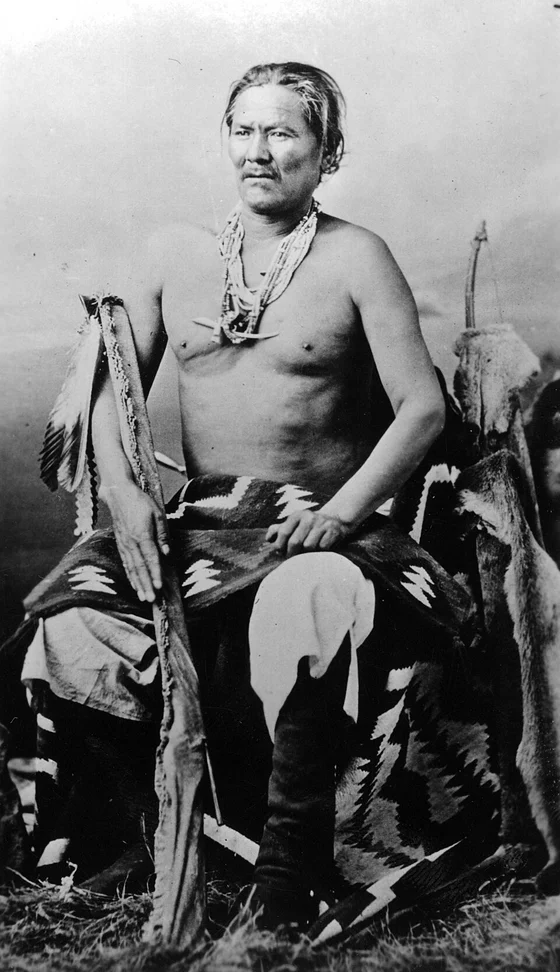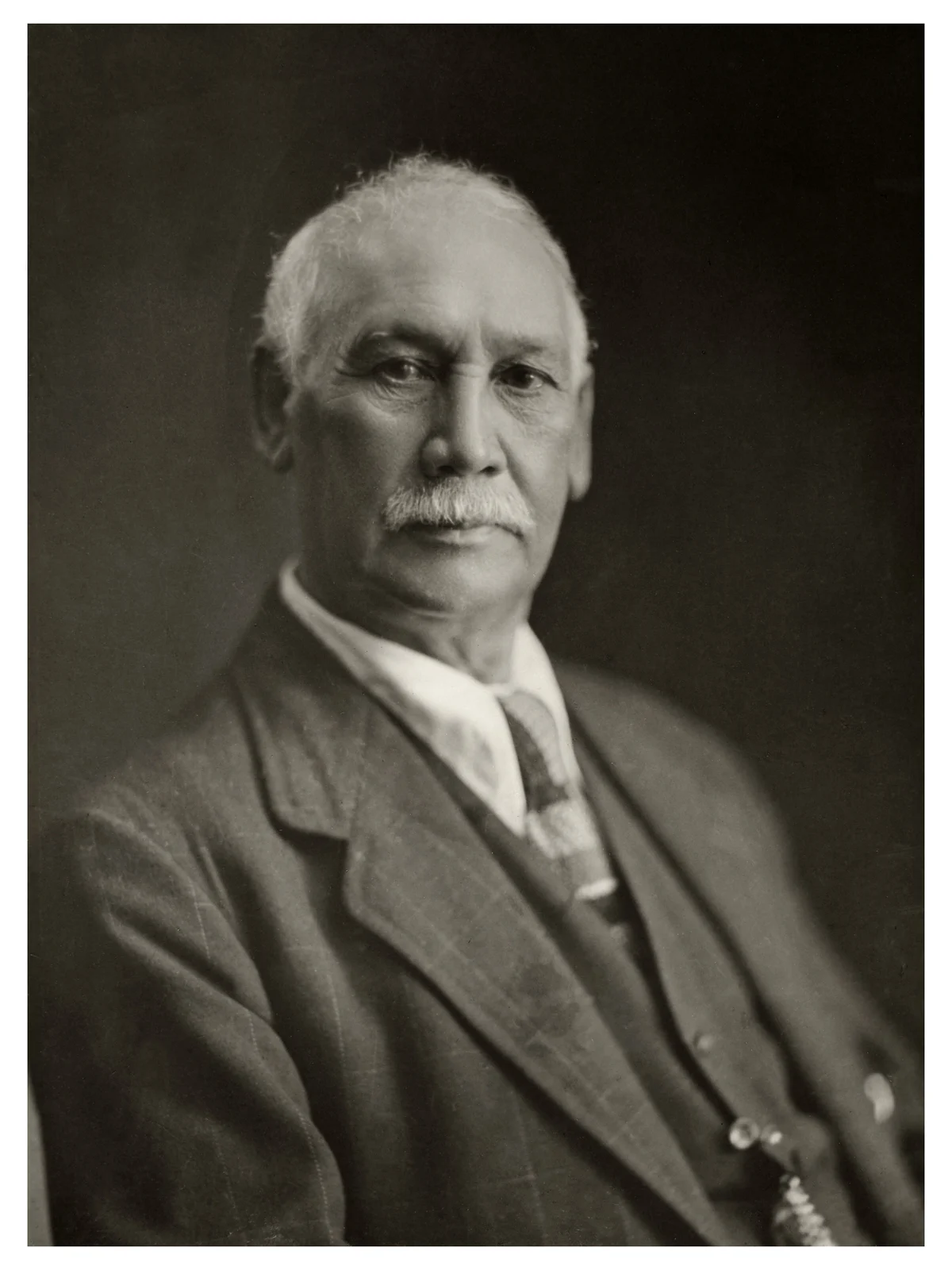
Monochrome seated portrait of Sir James Carroll wearing a dark suit, white shirt and patterned tie, with complete photograph borders visible.
James Carroll, identified by Archives New Zealand as a Ngāti Kahungunu leader, photographed 1909–1913. A named historical individual, rather than a representation of all present-day Ngāti Kahungunu.
Overview
Ngāti Kahungunu is a living Māori iwi whose public institutional account describes a rohe extending from the Wharerata Ranges in the Wairoa district to the Remutaka Range in South Wairarapa. People also live beyond these boundaries, including overseas. The iwi is distinct from Ngāti Kahungunu Iwi Incorporated, whose history records incorporation in 1988 under an earlier name and reorganisation in 1996. Its account names Moana Jackson, Mereana Pitman and Mere Ruru, assisted by Taanga Lawrence, in a 1998 constitutional review. These dates describe an organisation's development, rather than the beginning of Kahungunu identity or a single experience shared by every member.
The organisation's language-strategy background emphasises consultation. It reports visits to more than fifty marae in 2002, followed by initiatives supporting language and cultural capacity. A 2005 partnership with the Ministry of Education contributed to a Community Based Language Initiatives project. Between October 2005 and March 2006, hui and online surveys sought perspectives from descendants worldwide about language, culture, identity and barriers to language use. The resulting 2006–2027 strategic plan therefore arose through an identified consultation process. The public account establishes how the plan was developed; its stated revitalisation purpose does not itself demonstrate every later result.
The education account presents Te Tōpuni Tauwhāinga as a framework responding to local cultural and educational aspirations gathered at hui, events and forums since 2003. It recognises six taiwhenua and supports their development of educational plans within their own contexts. Its intended scope includes Kahungunu learners, other Māori living in the rohe and all learners participating in education there, from early childhood to tertiary study. The relationship with the national Ka Hikitia strategy is described alongside distinct iwi, hapū, marae and whānau settings. Local autonomy and diversity are therefore part of this institutional approach, rather than obstacles to a uniform curriculum.
Kahungunu ki Wairarapa's education website provides a more regional perspective. Its introductory account says the strategy was developed from iwi aspirations, education statistics, histories and knowledge identified as Te Wairarapatanga. It sets out a vision of equipping descendants with knowledge, skills and cultural heritage for their future. Public project headings include mentoring, family advisory groups, curriculum work and professional learning. These headings identify areas of activity without establishing the contents of linked teaching resources or an evaluation of their results. The Wairarapa account complements the wider iwi framework while retaining its own regional emphasis and institutional voice.
History & identity
Organisational dates and strategy periods do not date the origin of the iwi.
Sources & representation
Four public iwi and regional education accounts; institutional self-description is identified.
Selected bibliography
Documented works and useful reading. This is not a list of every appearance.
- 01
About Ngāti Kahungunu Iwi Incorporated
Complete public body read; organisational chronology and regional scope.
- 02
Te Reo, Tikanga & Mātauranga Strategy: Background
Complete background read; 2002–2006 consultation history, not full strategy.
- 03
Education: Te Tōpuni Tauwhāinga
Complete public body read; framework and regional autonomy, no linked reports.
- 04
Kahungunu ki Wairarapa Mātauranga
Complete homepage introduction/project headings read; teaching resources not inspected.
Language & cultural connections
Source-supported language and cultural connections have not yet been compiled for this profile.
References
Sources supporting this profile. Linked pages have their own scope and editorial standards.
- Iwi institutional self-descriptionAbout Ngāti Kahungunu Iwi IncorporatedResearch access: 2026-10-05
- Iwi institutional self-descriptionTe Reo, Tikanga & Mātauranga Strategy: BackgroundResearch access: 2026-10-05
- Iwi institutional self-descriptionEducation: Te Tōpuni TauwhāingaResearch access: 2026-10-05
- Iwi institutional self-descriptionKahungunu ki Wairarapa MātaurangaResearch access: 2026-10-05
Image credits
Contextual named historical photographMonochrome seated portrait of Sir James Carroll wearing a dark suit, white shirt and patterned tie, with complete photograph borders visible.
James Carroll, identified by Archives New Zealand as a Ngāti Kahungunu leader, photographed 1909–1913. A named historical individual, rather than a representation of all present-day Ngāti Kahungunu.