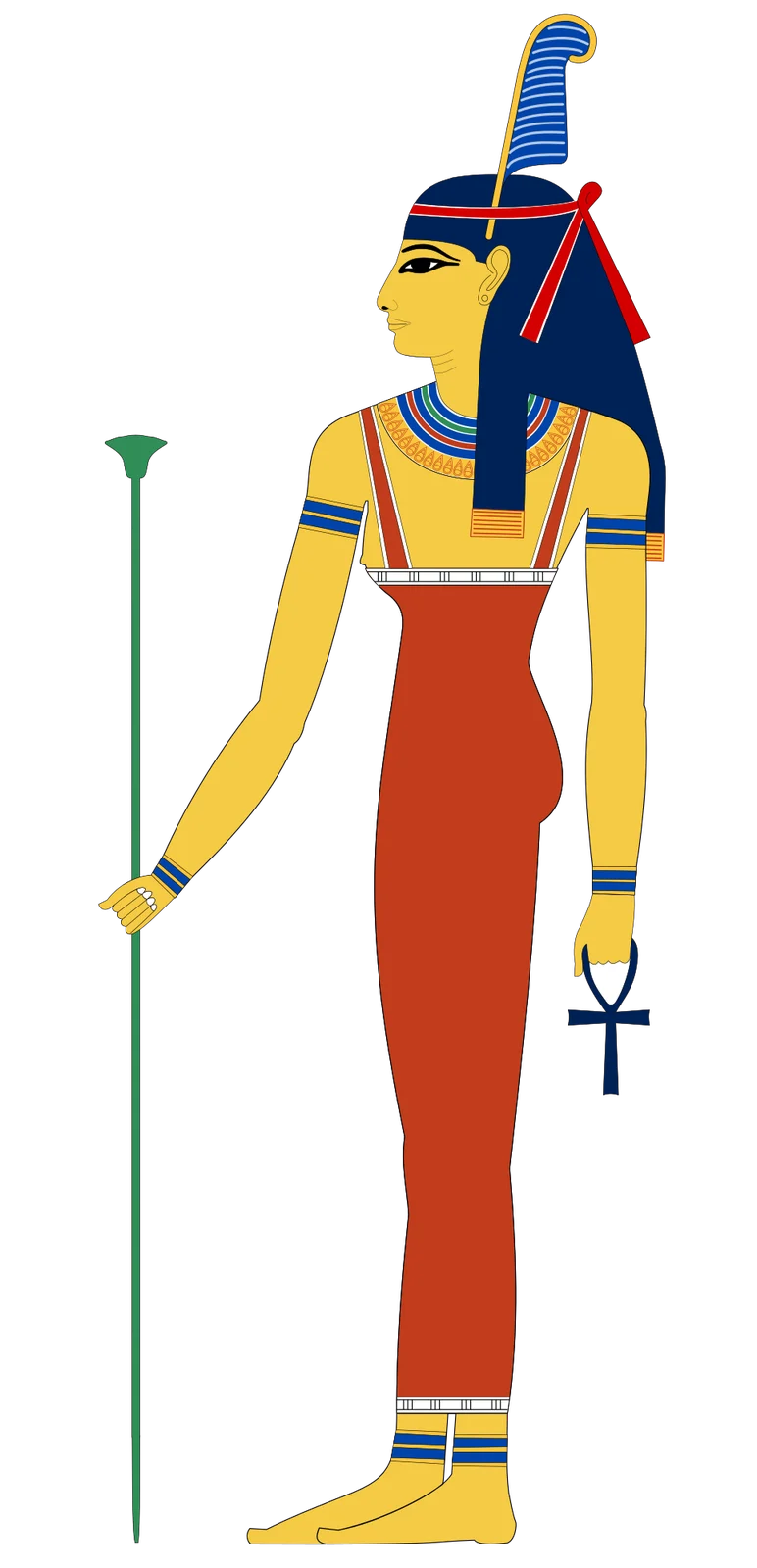
Maat
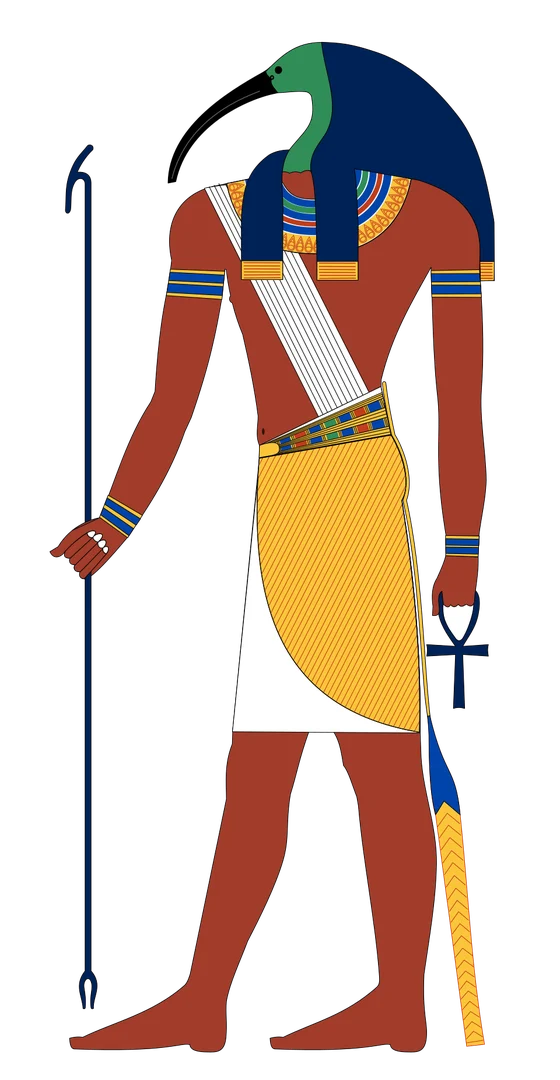
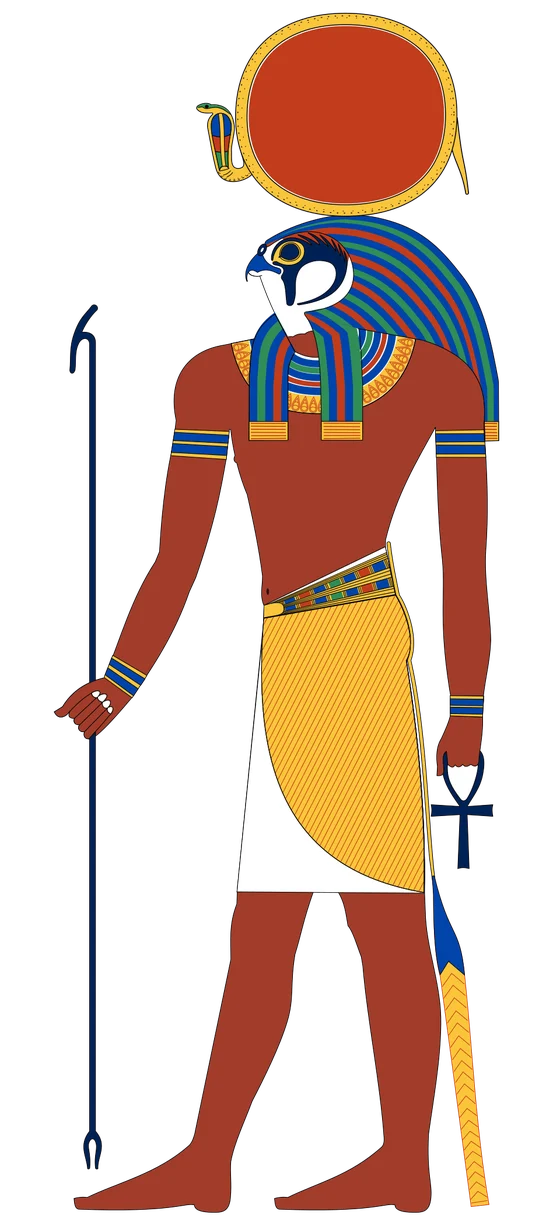
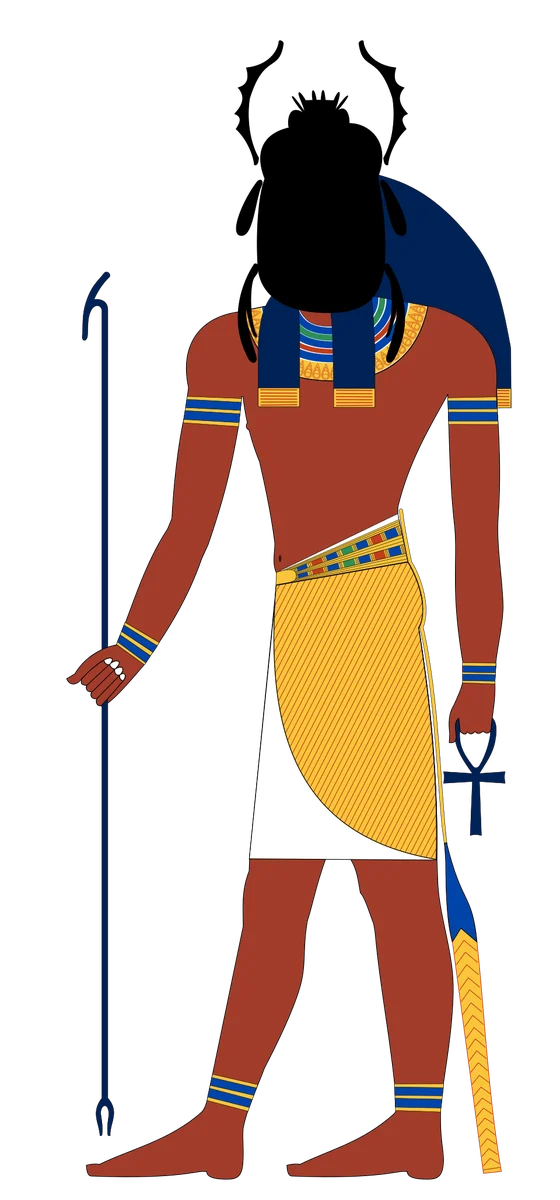
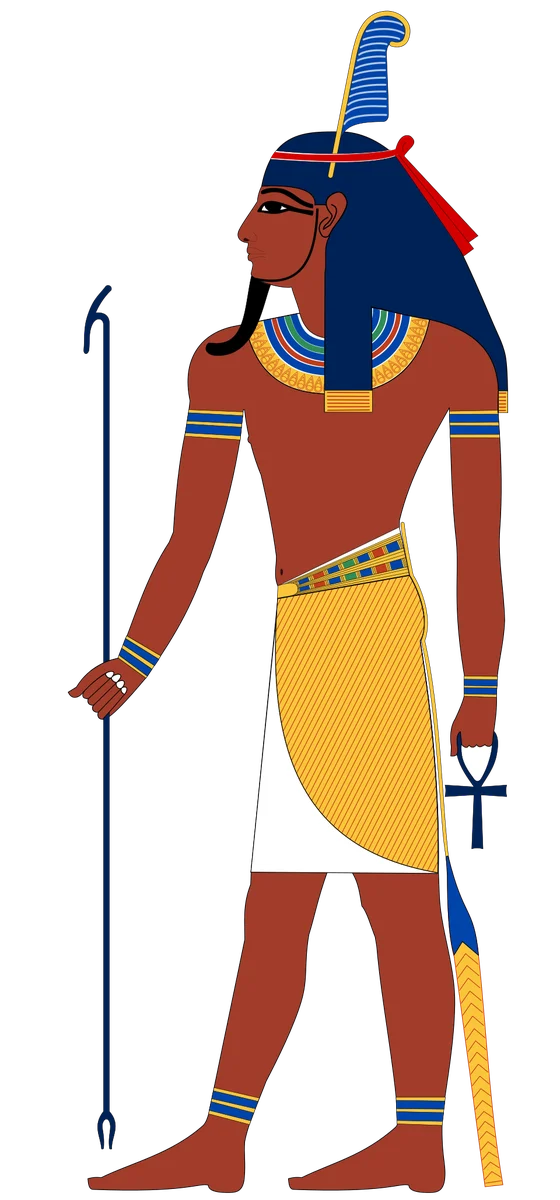
Modern vector interpretation of Egyptian deity iconography, based on historical representations; not a photograph or an original ancient painting. See the credited file description for shared iconography and artistic liberties.
Overview
Budge describes Maat as the principle through which the creator establishes the world’s foundation, and a ritual rubric calls for her image to be painted on the reciter’s tongue. The bodily placement links right speech with effective divine action. The editor also compares her with biblical Wisdom, but that comparison belongs to his interpretation. It is not evidence that the Egyptian figure originated in a biblical narrative.
The rubric gives the reciter practical preparations: new linen, washing in Nile water, white sandals, oil and incense accompany Maat’s image on the tongue. Her presence is part of that assembled ritual procedure. Ordered speech is represented through a named figure in the mouth, joining the body’s preparation to the words it will pronounce.
Origins & earliest records
The selected evidence includes translated ritual directions and historical commentary; those levels are distinguished in this profile. Later judgment imagery is not inferred from this passage alone.
Records & interpretation
The selected attestation is Creation commentary; destruction narrative ritual rubric in Budge’s translated collection. It documents a textual or ritual representation; commentary and later classical accounts are labeled where used. It does not establish zoological existence, a first oral telling, or a uniform belief shared by all Egyptians.
In the literature
“I laid the foundation [of things] by Maat”
History of Creation—A; paragraph beginning “[These are] the words which the god Neb-er-tcher spake after he…” · E. A. Wallis Budge
Maat is explicitly the basis by which the creator establishes formed things; this passage names the principle without describing a bodily appearance.
Selected bibliography
Documented works and useful reading. This is not a list of every appearance.
- 01
Legends of the Gods: The Egyptian Texts
Selected witness: Creation commentary; destruction narrative ritual rubric. Historical translation and commentary; not an exhaustive bibliography.
- 02
Legends of the Gods: The Egyptian Texts, edited with Translations
London,1912; historical English text edited by E.A.WallisBudge. Ancient narrative/ritual translation, separate from modern introduction and footnotes.
Family & connections
A source-supported family tree or inspiration record has not yet been compiled for this profile. Related reading below indicates a connection in subject matter, not a proven lineage or creative influence.
Located primary passages
Specific passages supporting details in this entry, grouped by their published witness.
Legends of the Gods: The Egyptian Texts
London,1912; historical English text edited by E.A.WallisBudge. Ancient narrative/ritual translation, separate from modern introduction and footnotes.
- Maat is explicitly the basis by which the creator establishes formed things; this passage names the principle without describing a bodily appearance.
Specific ancient textual version in a historical English witness; names Uatchet/Nekhebet/Seb/Nu are historical renderings, not separate beings. Plutarch’s version and bracketed restorations must not be universalized. Ritual speech is literary evidence, not an instruction to perform healing or protective practices.
Encyclopedia background
An additional attributed reference, separate from the editorial profile above.
Read the open encyclopedia overview
Maʽat or Maat (Egyptian: mꜣꜥt /ˈmuʀʕat/, Coptic: ⲙⲉⲓ) is the ancient Egyptian concept of truth, balance, law, morality, and justice. Maat was also the goddess who personified this concept and regulated the stars, seasons, and the actions of mortals and the deities who had brought order from chaos at the moment of creation. Her ideological opposite was Isfet (Egyptian jzft), meaning injustice, chaos, violence or to do evil.
Text from Wikipedia contributors, “Maat”. CC BY-SA 4.0. Extracted introduction; formatting changed. Retrieved 5 October 2026. The source article may have changed since retrieval.
References
Sources supporting this profile. Linked pages have their own scope and editorial standards.
- Primary-text translation and historical commentaryLegends of the Gods — Creation commentary; destruction narrative ritual rubricResearch access: 2026-10-05
Image credits
Thematic illustrationMaat
Modern vector interpretation of Egyptian deity iconography, based on historical representations; not a photograph or an original ancient painting. See the credited file description for shared iconography and artistic liberties.