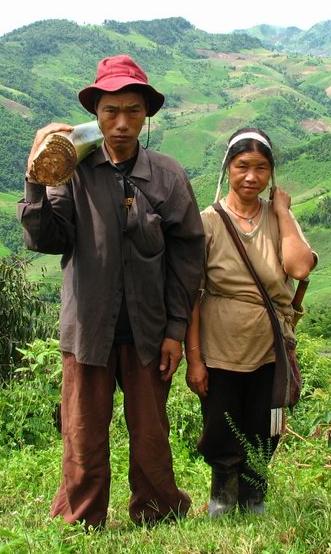
Frisian cultural communities in Fryslân - AI-generated contextual illustration.
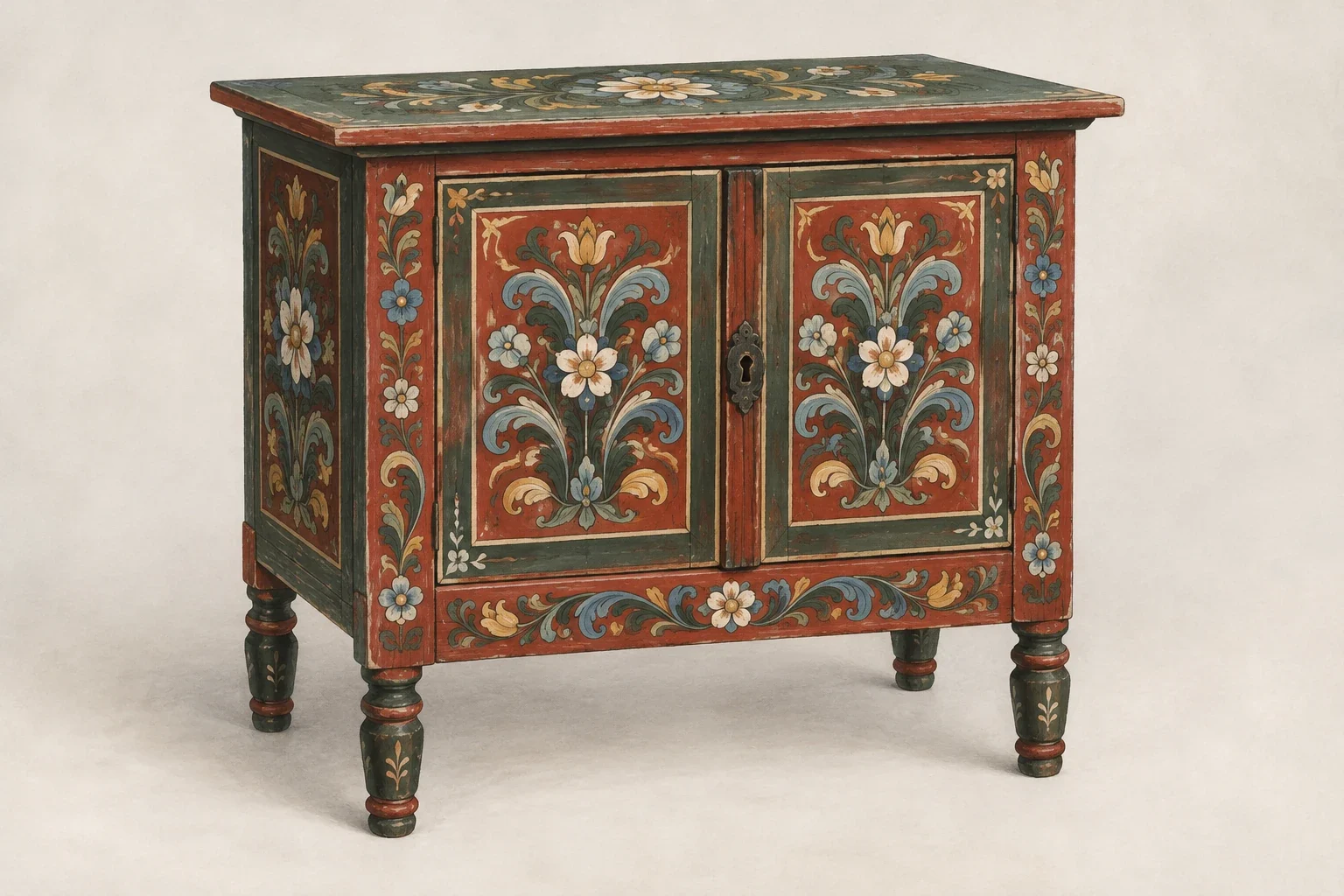
AI-generated conceptual cabinet illustration informed by Museum Hindeloopen’s account of painted furniture, floral motifs and local colour combinations. Form and decorative design are invented; this is not a replica, photographic evidence or a universal Frisian household object.
Overview
This profile concerns Frisian cultural communities in Fryslân in the Netherlands, rather than a single uniform culture across every Frisian-speaking region. Afûk’s account traces Frisian’s linguistic differentiation within North Sea Germanic languages to the Early Middle Ages. It describes written Old Frisian in legal and official regional settings during the High Middle Ages, reduced written use during the sixteenth century, and a renewed literary climate in the nineteenth century. This language chronology does not determine every person’s identity or date the origin of a people.
Afûk, founded in 1928, presents itself as a language and cultural organisation working within Fryslân’s institutional network. Its activities include adult courses, educational programmes, books and digital publications, advice on organisational language policy, and promotional projects. Collaboration with provincial authorities and European language networks places local language work within wider multilingual relationships. The stated activities document institutional provision; they do not establish universal language competence or measure the success of every programme.
Museum Hindeloopen documents a particular local painted-furniture tradition beginning before 1700. Tables, cabinets and other wooden furnishings received curls, flowers, leaves and sometimes figures. Painters developed individual combinations of red, blue, brown, green and white while forming a recognisable local style. The museum describes reduced production amid nineteenth-century poverty and continuing practice today. A painted cabinet can illustrate this selected craft, but it is neither a universal Frisian household object nor a substitute for the varied histories of communities in Fryslân.
History & identity
The selected history covers medieval written language, nineteenth-century literary renewal, Afûk’s foundation in 1928 and Hindeloopen furniture painting before 1700. These are separate linguistic and craft timelines, not one ethnic origin date.
Sources & representation
Afûk supplies an institutional language overview; Museum Hindeloopen supplies the place-specific craft account. This profile leaves North Frisian and Saterland Frisian communities outside its defined scope and makes no biological classification.
Selected bibliography
Documented works and useful reading. This is not a list of every appearance.
- 01
The History of Frisian
Selected account read for this profile; not a complete bibliography.
- 02
About the Afûk
Selected account read for this profile; not a complete bibliography.
- 03
Schilderkunst
Selected account read for this profile; not a complete bibliography.
Language & cultural connections
Source-supported language and cultural connections have not yet been compiled for this profile.
References
Sources supporting this profile. Linked pages have their own scope and editorial standards.
- Community institutionThe History of FrisianResearch access: 2026-10-10
- Community institutionAbout the AfûkResearch access: 2026-10-10
- MuseumSchilderkunstResearch access: 2026-10-10
Image credits
AI-generated contextual illustrationFrisian cultural communities in Fryslân - AI-generated contextual illustration.
AI-generated conceptual cabinet illustration informed by Museum Hindeloopen’s account of painted furniture, floral motifs and local colour combinations. Form and decorative design are invented; this is not a replica, photographic evidence or a universal Frisian household object.