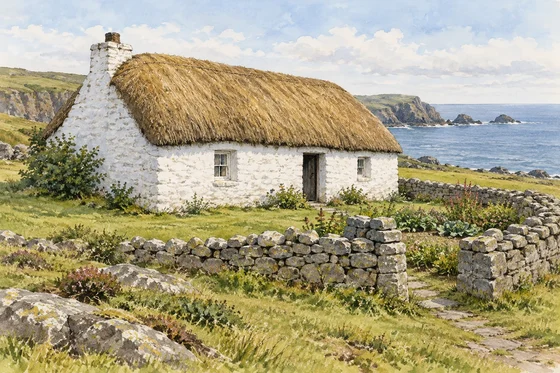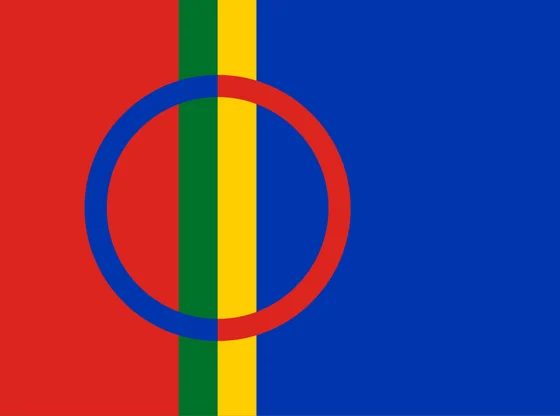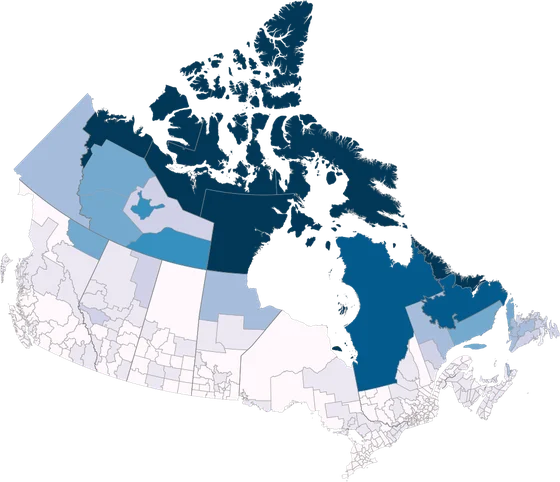
Faroese cultural communities - AI-generated contextual illustration.
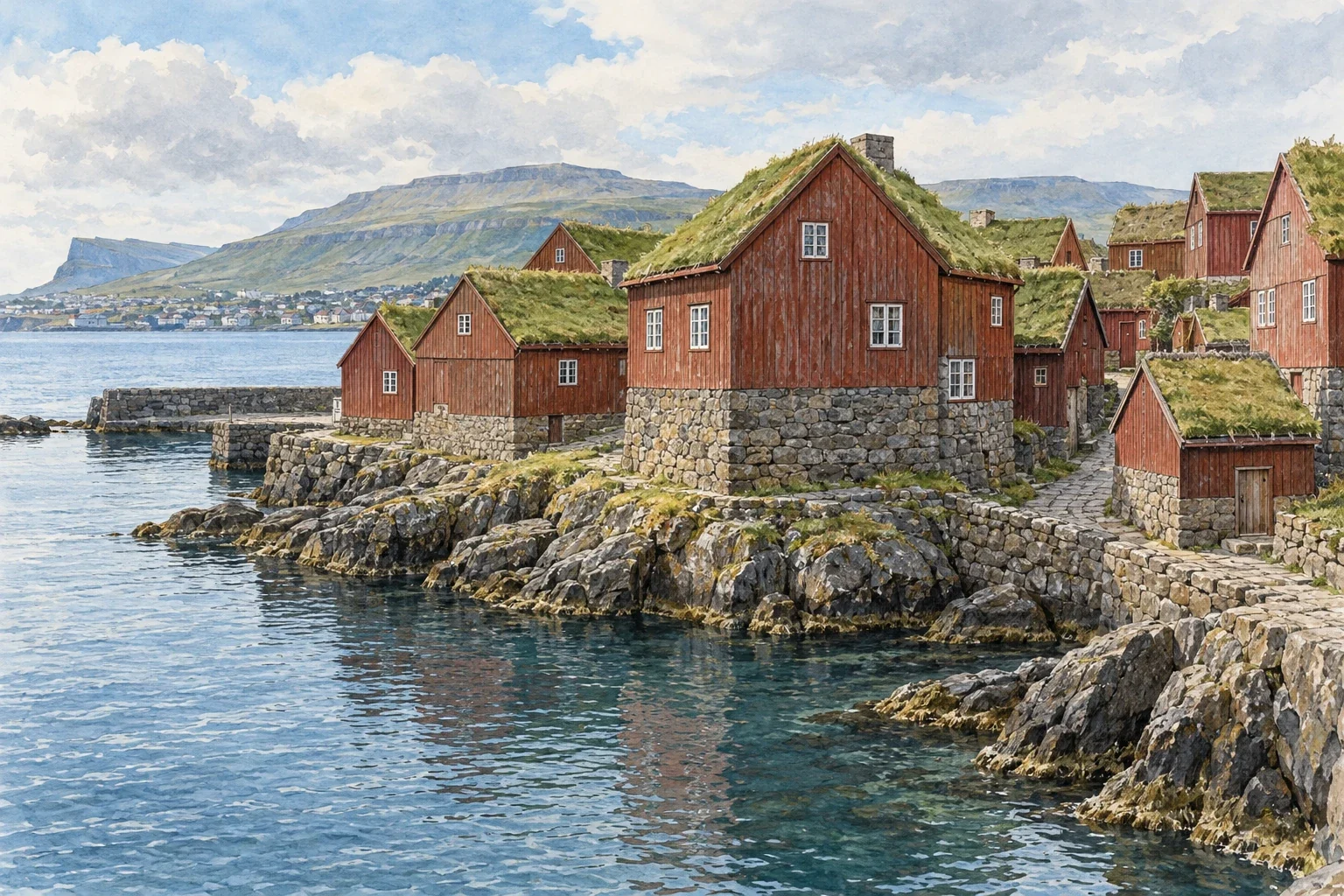
AI-generated contextual waterfront illustration recalling Tinganes and Tórshavn’s timber-and-stone built heritage, informed by Arne Thorsteinsson’s official historical guide and a Visit Faroe Islands setting description. Buildings, plan, colours and weather are imagined; this is not a measured reconstruction or photograph.
Overview
Faroese cultural communities sustain a language and cultural life across the Faroe Islands and beyond. The official tourism language account relates Faroese to Old Norse and neighbouring Nordic languages, particularly Icelandic. It describes Faroese use in administration, business, politics and cultural activity, with Danish also present in the islands’ linguistic life. These language relationships do not create a biological lineage or imply that every individual has identical language competence.
The islands’ official historical overview connects a late nineteenth-century cultural awakening and economic change to the development of political autonomy. It records the abolition of the royal trade monopoly in 1856 and the Home Rule agreement of 1948. These are selected institutional milestones. The overview’s broader settlement narrative is not used here to establish a definitive first settlement date, and an institutional chronology is distinct from the diversity of individual and local community histories.
Archaeologist Arne Thorsteinsson’s government-published guide describes Tinganes in Tórshavn as a place of parliamentary assembly, trade and settlement. It qualifies interpretations of its early assembly sites, while documenting later indoor meetings and the interruption of the Ting in 1816 followed by re-establishment in 1852. Its building histories record repeated rebuilding after the 1673 fire. Several structures combine timber with stone or walled basements; the guide distinguishes unusual dovetail construction from other local methods. The resulting landscape is historically layered. An imagined waterfront illustration evokes that built context without claiming to reproduce a specific date, measured plan or building.
History & identity
The selected chronology concerns trade change in 1856, nineteenth-century institutional development and Home Rule in 1948. Tinganes building histories include the 1673 fire and subsequent rebuilding; no definitive first-settlement date is asserted.
Sources & representation
Official Faroese institutional pages support selected language and historical context. Thorsteinsson’s guide, attributed to a former National Museum director, supplies detailed built-history evidence while retaining its own cautious wording about early events. No archaeological excavation report or legal text was separately read.
Selected bibliography
Documented works and useful reading. This is not a list of every appearance.
- 01
Language
Selected account read or catalogue consulted; not a complete bibliography.
- 02
History of the Faroe Islands
Selected account read or catalogue consulted; not a complete bibliography.
- 03
Tinganes – a brief historical guide
Selected account read or catalogue consulted; not a complete bibliography.
- 04
Tourist Guide 2015, historic Tinganes and Reyn description
Selected account read or catalogue consulted; not a complete bibliography.
Language & cultural connections
Source-supported language and cultural connections have not yet been compiled for this profile.
References
Sources supporting this profile. Linked pages have their own scope and editorial standards.
- Official regional institutionLanguageResearch access: 2026-10-10
- Government referenceHistory of the Faroe IslandsResearch access: 2026-10-10
- Heritage accountTinganes – a brief historical guideResearch access: 2026-10-10
- Official regional institutionTourist Guide 2015, historic Tinganes and Reyn descriptionResearch access: 2026-10-10
Image credits
AI-generated contextual illustrationFaroese cultural communities - AI-generated contextual illustration.
AI-generated contextual waterfront illustration recalling Tinganes and Tórshavn’s timber-and-stone built heritage, informed by Arne Thorsteinsson’s official historical guide and a Visit Faroe Islands setting description. Buildings, plan, colours and weather are imagined; this is not a measured reconstruction or photograph.