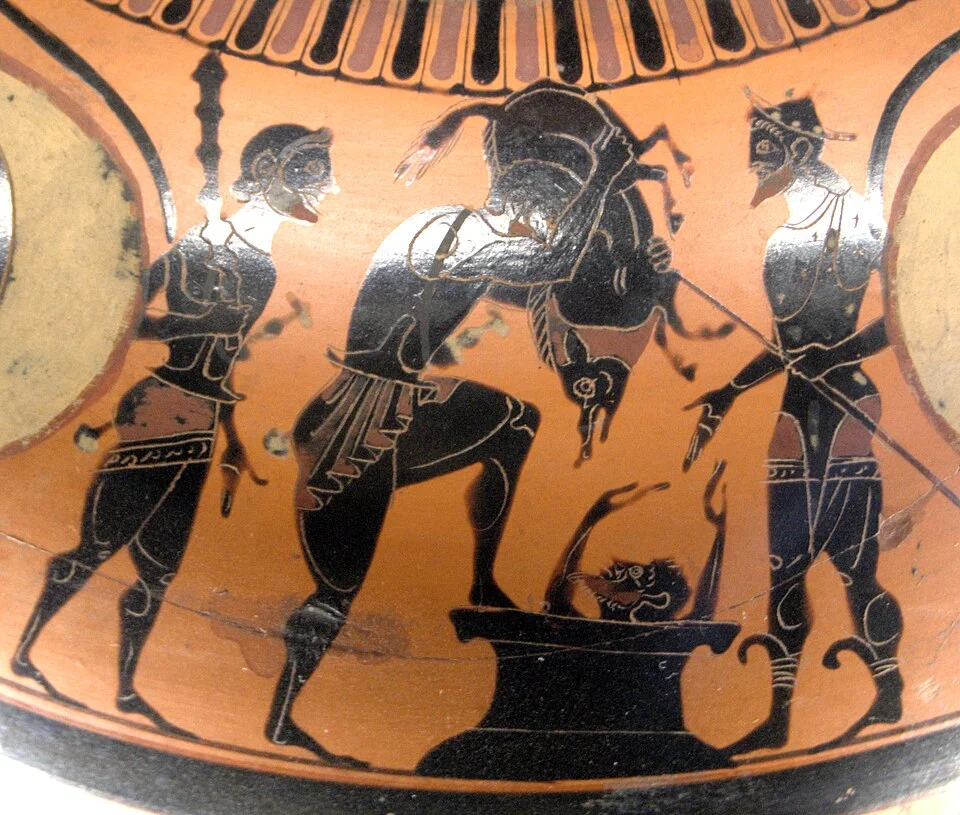
Erymanthian Boar
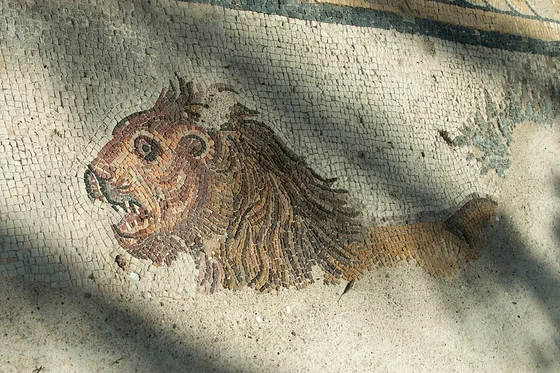
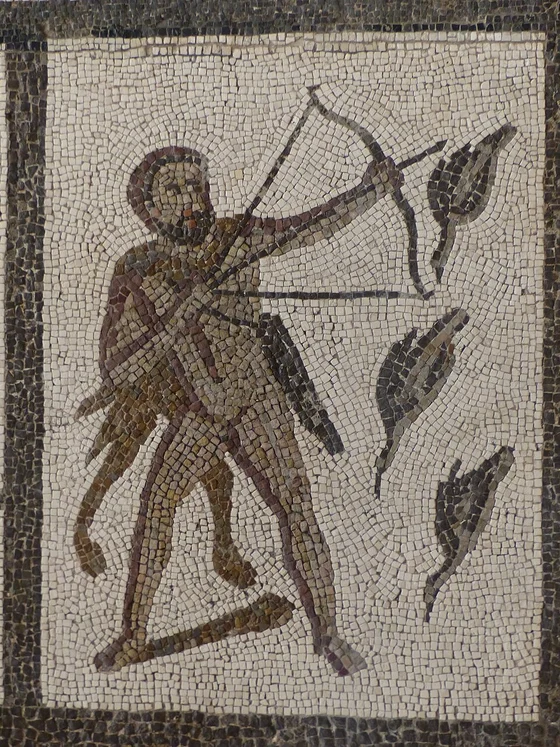
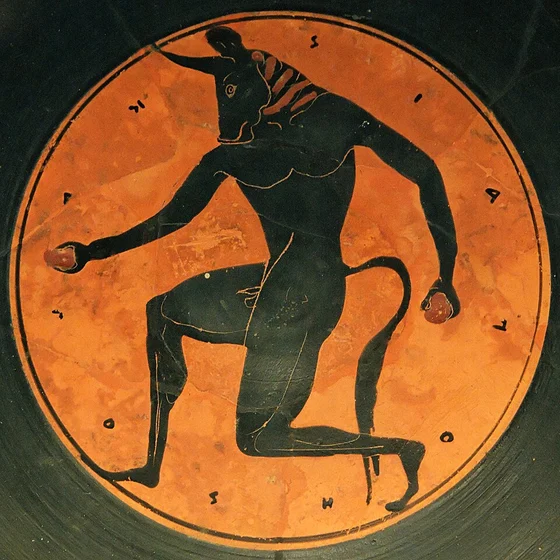
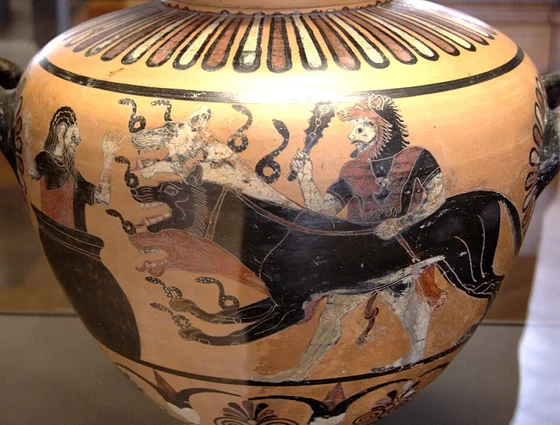
Image associated with the exact linked encyclopedia article; consult credited file description for its interpretation.
Overview
The boar ravages the country near Psophis and comes down from Mount Erymanthus. Eurystheus orders Heracles to bring the animal alive, so a successful hunt requires more than killing a dangerous beast. The hero drives it from a thicket with shouts and exhausts it through pursuit into deep snow before trapping it.
The live capture distinguishes this labor from the defeats of the Nemean Lion and Hydra. It also turns a familiar animal’s strength and destructive foraging into an extraordinary challenge within heroic geography. The episode’s preceding encounter with centaurs has its own consequences and should not be collapsed into the boar’s behavior. This entry follows the hunt as narrated in the Library rather than assigning invented supernatural powers to the animal.
The Library embeds the hunt in a disastrous visit to Pholus. Opening communal wine attracts other centaurs; Heracles’s poisoned arrows mortally wound Chiron and accidentally kill Pholus. Only after burying his host does Heracles return to the boar. These casualties belong to the intervening centaur conflict, while the boar itself is brought alive to Mycenae.
Pausanias separately calls the boar exceptionally large and strong. He reports that Cumae displayed tusks attributed to it in Apollo’s sanctuary, then rejects the attribution as improbable. This is evidence for a reported relic claim and an ancient author’s skepticism, not authenticated remains.
Origins & earliest records
This entry follows The Library, Book II, at 2.5.4, in the linked English translation. The work preserves a particular ancient narrative rather than establishing the first appearance of every motif. Its composition period dates a surviving literary witness; older oral transmission and earlier artistic evidence require separate investigation.
Records & interpretation
Complete Library 2.5.4 includes the Pholus episode and live capture; Pausanias 8.24.5 records a size claim and rejects identification of displayed tusks.
Selected bibliography
Documented works and useful reading. This is not a list of every appearance.
- 01
The Library, Book II, 2.5.4
Complete 2.5.4, including Pholus, Chiron and return to the boar hunt.
- 02
Description of Greece 8.24.5
Boar’s strength and disputed Cumae tusks.
- 03
The Library (Bibliotheca)
Pseudo-Apollodorus, The Library, James George Frazer translation, Loeb Classical Library 121–122; Harvard University Press / William Heinemann, 1921.
Family & connections
A source-supported family tree or inspiration record has not yet been compiled for this profile. Related reading below indicates a connection in subject matter, not a proven lineage or creative influence.
Located primary passages
Specific passages supporting details in this entry, grouped by their published witness.
The Library, Book II, 2.5.4
Pseudo-Apollodorus, The Library, James George Frazer translation, Loeb Classical Library 121–122; Harvard University Press / William Heinemann, 1921.
- The boar ravages Psophis from Mount Erymanthus.
- Hercules traps the exhausted boar in deep snow and brings it to Mycenae.
A version-specific primary witness, not an earliest-attestation claim or proof of zoological existence.
Encyclopedia background
An additional attributed reference, separate from the editorial profile above.
Read the open encyclopedia overview
In Greek mythology, the Erymanthian boar (Greek: ὁ Ἐρυμάνθιος κάπρος; Latin: aper Erymanthius) was a mythical creature that took the form of a "shaggy and wild" "tameless" "boar" "of vast weight" "and foaming jaws". It was a Tegeaean, Maenalusian or Erymanthian boar that lived in the "glens of Lampeia" beside the "vast marsh of Erymanthus". It would sally from the "thick-wooded", "cypress-bearing" "heights of Erymanthus" to "harry the groves of Arcady" and "abuse the land of Psophis".
Text from Wikipedia contributors, “Erymanthian boar”. CC BY-SA 4.0. Extracted introduction; formatting changed. Retrieved 5 October 2026. The source article may have changed since retrieval.
References
Sources supporting this profile. Linked pages have their own scope and editorial standards.
- Primary textThe Library, Book II: 2.5.4 (Theoi Classical Texts Library or Project Gutenberg transcription)Research access: 2026-10-05
- Primary textPausanias 8.24.5Research access: 2026-10-05
Image credits
Reference illustrationErymanthian Boar
Image associated with the exact linked encyclopedia article; consult credited file description for its interpretation.