AI imagined interpretation of daskandarini-name-contest-shaihu
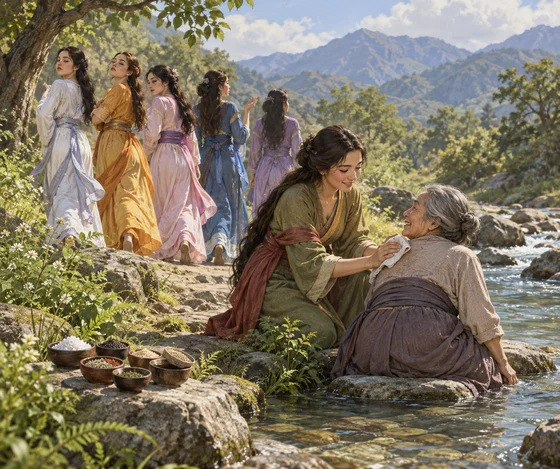
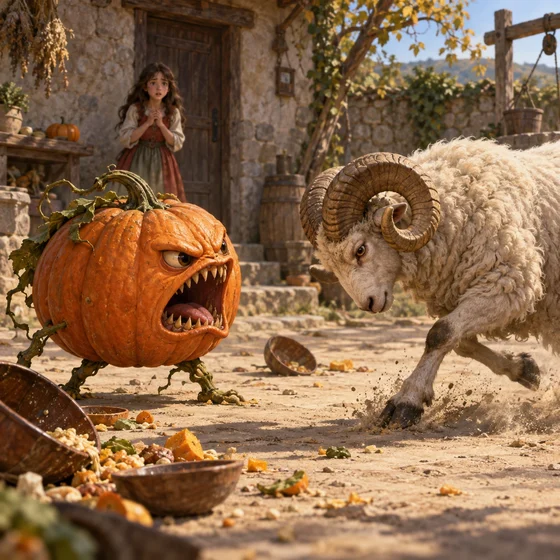
AI-generated unofficial original narrative interpretation. Selected source-specific episode; appearance, clothes, objects and setting imagined. Not a historical reconstruction or community portrait.
Overview
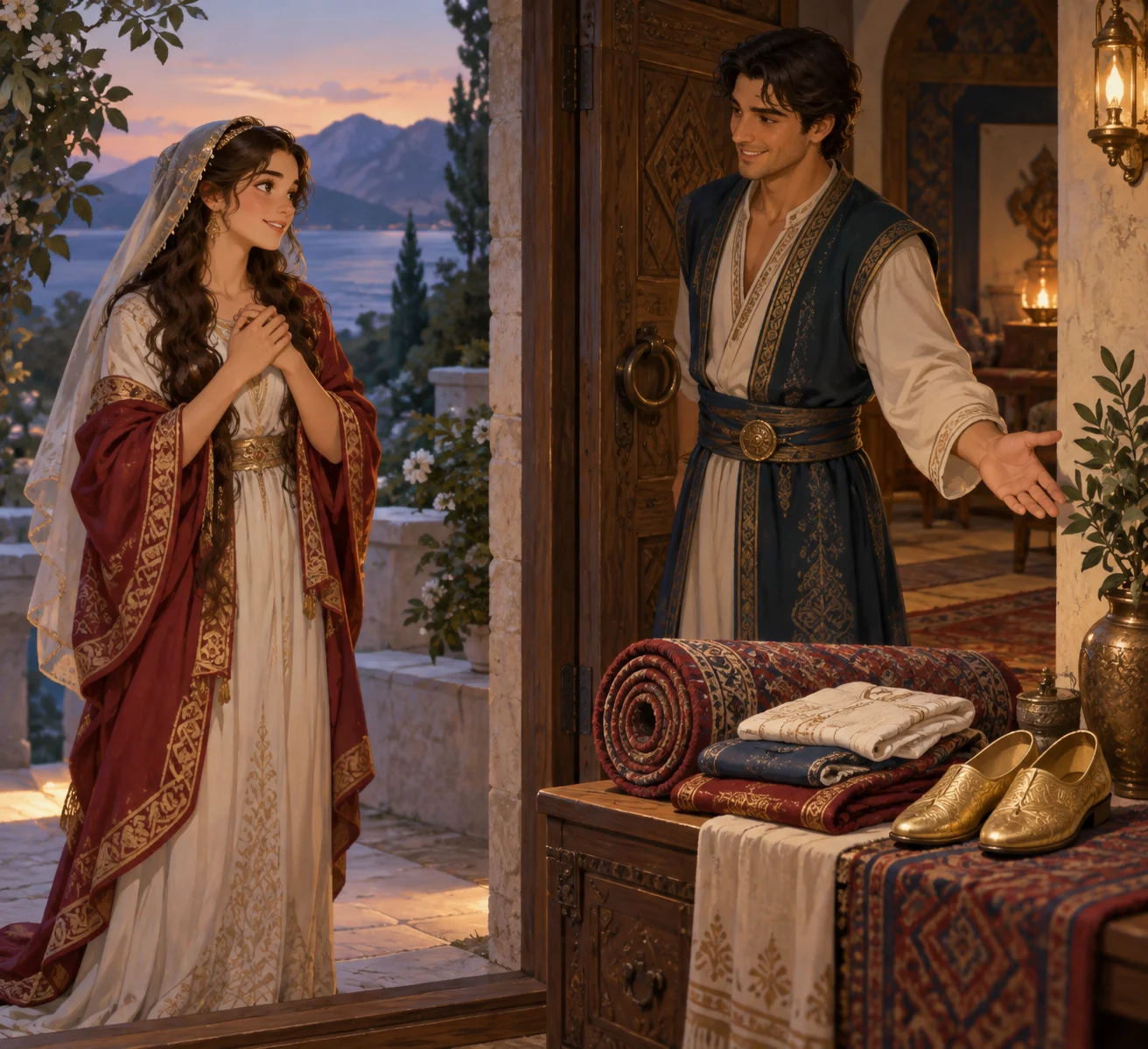
The opening describes this attractive youth as the son of an evil spirit. His mother appears beside a stream as an old woman bathing. She gives his name to Daudawar-batso after that maiden helps to rub her back, while the other transformed seasonings refuse. The story does not give the mother a separate personal name or describe the youth with claws, a monstrous animal body or a devouring appetite.
He requires his visitors to enter separately and state both their own names and his. Five can identify their contributions to soup but fail his test. Daudawar-batso gives the answer Daskandarini and is invited inside, where a rug, clothes and golden slippers are provided for her. Her formerly contemptuous companions offer domestic service. His role is the name-testing host of this completed transformation tale; the ending concerns the maiden’s reversal of status rather than his defeat.
Origins & earliest records
Malam Shaihu supplied written Hausa material, sometimes translated from Arabic manuscripts; Rattray transliterated and translated it into English. The author note dates the manuscript collection to 1907–1911.
Records & interpretation
Shaihu/Rattray, Hausa Folk-Lore, Customs, Proverbs, etc., Volume I (1913), tale 17, complete pp. 260–272; compiler methodology p. xii.
Selected bibliography
Documented works and useful reading. This is not a list of every appearance.
- 01
Hausa Folk-Lore, Customs, Proverbs, etc., Volume I
Shaihu/Rattray, Hausa Folk-Lore, Customs, Proverbs, etc., Volume I (1913), tale 17, complete pp. 260–272; compiler methodology p. xii.
Family & connections
A source-supported family tree or inspiration record has not yet been compiled for this profile. Related reading below indicates a connection in subject matter, not a proven lineage or creative influence.
References
Sources supporting this profile. Linked pages have their own scope and editorial standards.
- Bilingual manuscript tale; digitized primary OCRShaihu/Rattray — Daskandarini of Shaihu’s Name ContestResearch access: 2026-10-05
- Compiler methodologyAuthor’s NoteResearch access: 2026-10-05
Image credits
AI-generated interpretationAI imagined interpretation of daskandarini-name-contest-shaihu
AI-generated unofficial original narrative interpretation. Selected source-specific episode; appearance, clothes, objects and setting imagined. Not a historical reconstruction or community portrait.