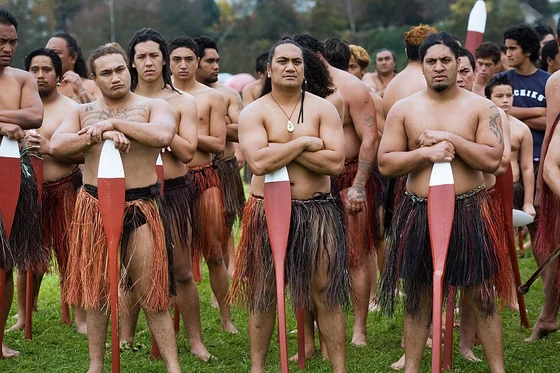
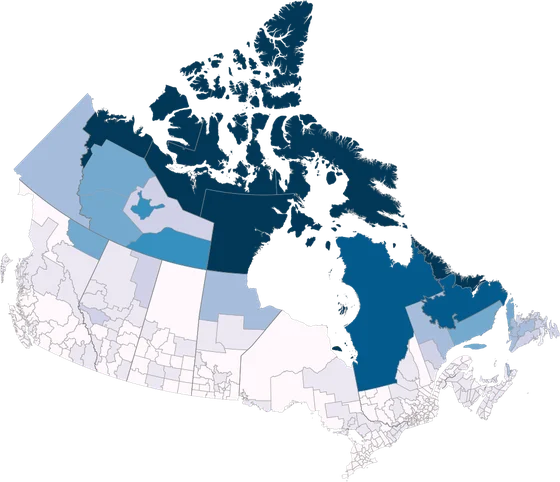
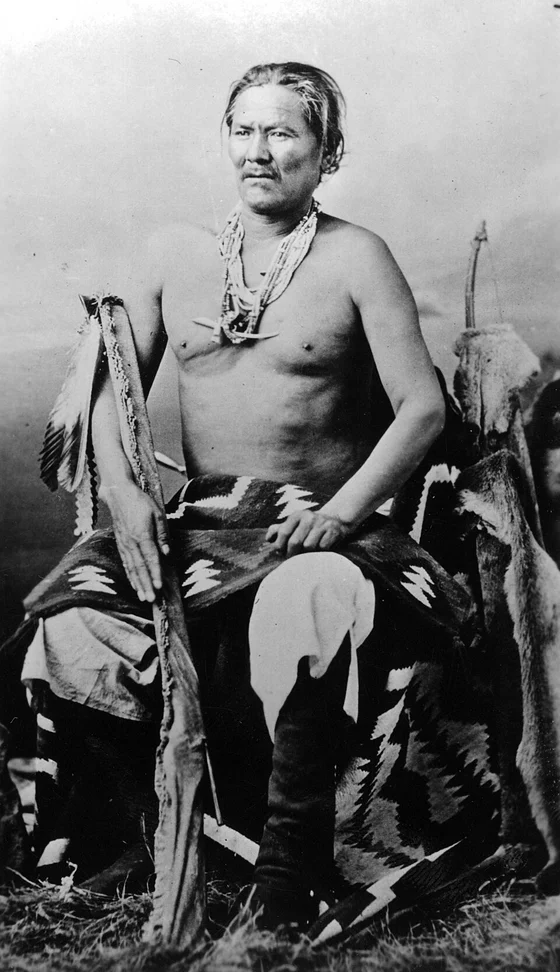
A sourced illustration has not yet been added. This gap is included in the coverage record.
Overview
Esther Mmolai's March 2019 report describes the Barolong a re itsaneng committee bringing Maun residents together to discuss history and cultural continuity. It prepared for a proposed meeting with counterparts in Mafikeng, South Africa, following an earlier gathering in Ghanzi. Kgosi Charles Letsholathebe welcomed the initiative and recognised participants' place within Ngamiland society. Committee participation does not represent every Barolong person or equate cultural identity with citizenship.
The report distinguishes remembered history from unresolved questions. Elders could not identify a definite Ngamiland settlement date or agree on the cause of movement from South Africa. Sebatana Setlhodi attributed an account of Shorobe settlement and relocation through marriage to his forefathers. He valued these exchanges for younger people born in Maun. This is named testimony about memory and relationships; uncertainty remains rather than becoming a single migration date or verified cause.
Smolly Nkobodo's October 2015 account of a Barolong culture day records Kgosi Lotlaamoreng II advocating cultural preservation and exchange. He linked participation with recognition of Botswana's varied ethnic and linguistic communities, while expressing concern about declining cultural knowledge. The report identifies Dikwena of Thareseleele as a group recognised for its cultural representation and selected for national culture-day participation in Tonota. It also describes music, drama and dance as activities through which communities make cultural identity visible. These are a speaker's observations and priorities at a particular event, rather than a complete inventory of Barolong practices.
A July 2019 Good Hope report by Bakang Segokgo places cultural preservation alongside everyday economic concerns. At a kgotla meeting, President Mokgweetsi Masisi encouraged farming and businesses, while acknowledging unemployment and climatic difficulties. Acting paramount chief Botiki Motshegare raised land shortages and cross-border stock theft, and reported school-related developments. These named statements show public discussion combining livelihoods, services and community priorities. Suggestions about guest houses or expanded agriculture are recorded as advocacy, not evidence that households subsequently earned more or that proposed development succeeded.
History & identity
Named recollections retain uncertain settlement chronology; event dates do not date community origins.
Sources & representation
Three complete government-news reports distinguish journalist framing from speakers and recalled family history.
Selected bibliography
Documented works and useful reading. This is not a list of every appearance.
- 01
Barolong residing in Maun celebrate history
Complete 26 March report read; named memory and unresolved settlement chronology.
- 02
Culture day creates unity pride
Complete 2 October report read; public advocacy and named performers.
- 03
President encourages Barolong to revive farming
Complete 16 July report read; meeting testimony, not later outcomes.
Language & cultural connections
Source-supported language and cultural connections have not yet been compiled for this profile.
References
Sources supporting this profile. Linked pages have their own scope and editorial standards.
- Government-news report with named testimonyBarolong residing in Maun celebrate historyResearch access: 2026-10-05
- Government-news report with named testimonyCulture day creates unity prideResearch access: 2026-10-05
- Government-news report with named testimonyPresident encourages Barolong to revive farmingResearch access: 2026-10-05
Image credits
A sourced illustration has not yet been added. This gap is included in the coverage record.