A sourced illustration has not yet been added. This gap is included in the coverage record.
Overview
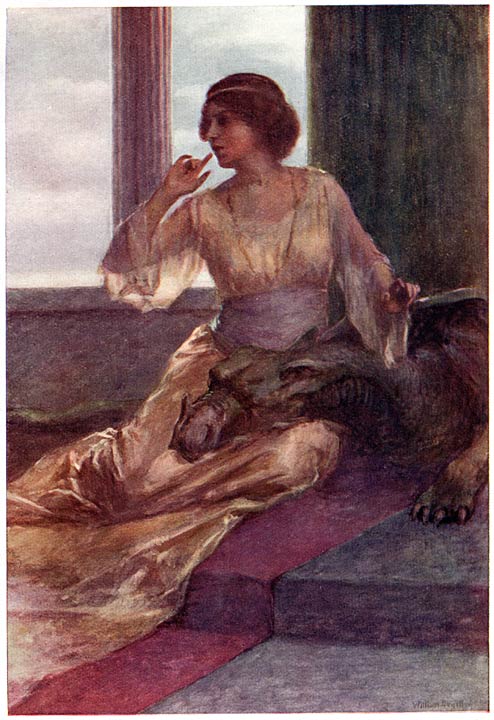
The Zmaj of Jastrebac visits Tsarina Militza’s tower at night. Mount Yastrebatz glows as if aflame before he flies across the plain; he removes a fairy or magic garment on entering her chamber. His resemblance to Zmaj-Despot Vuk and recollection of their childhood contests place him within the poem’s world of superhuman heroes.
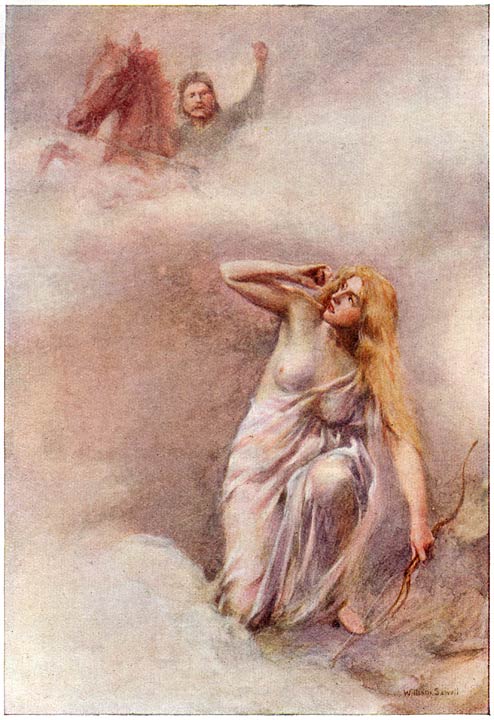
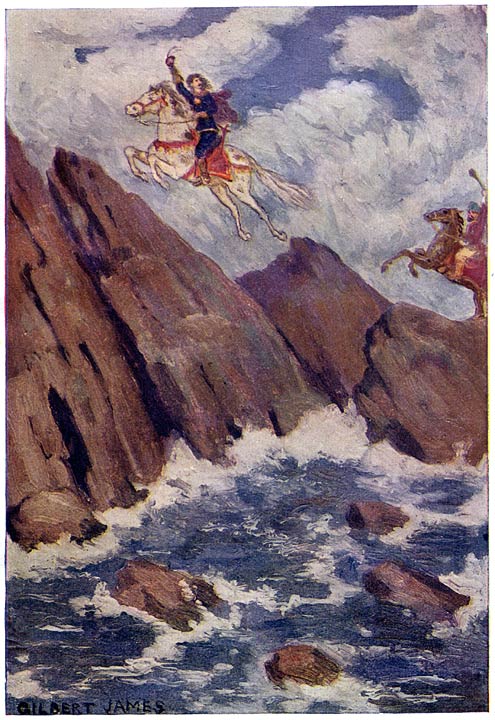
He confides that Vuk is the only earthly champion he fears. Militza passes the secret to Lazar, who summons Vuk. Challenged during his next visit, the Zmaj puts his magic garment on and flees into the clouds. Vuk pursues, breaks both wings with a club and follows him down before killing him. His writhing is compared to a snake; no transformation is narrated. Petrovitch’s footnote explicitly says that dragon is used metaphorically in this poem to suggest heroic superhuman attributes. Its actual wings and flight are retained without converting the hero into a reptilian species.
Origins & earliest records
Woislav M. Petrovitch, Hero Tales and Legends of the Serbians, Chapter VI, pp. 129–134. Selected imprint lists first publication August 1914 and reprints through December 1921.
Records & interpretation
Complete relevant encounter and printed locators read. Footnote 1 explicitly qualifies Zmay as metaphorical in this poem; no independent earliest attestation inferred.
In the literature
“broke both his wings”
Chapter VI, p.132; airborne pursuit · Woislav M. Petrovitch
Vook pursues the visitor into clouds and breaks both wings with a club. The fallen figure writhes like a snake before Vook beheads him. The simile does not narrate a transformation into a snake. Vook receives the promised reward, while the figure’s death is explicit.
Selected bibliography
Documented works and useful reading. This is not a list of every appearance.
- 01
Hero Tales and Legends of the Serbians, Chapter VI, pp. 129–134
Footnote 1 explicitly qualifies Zmay as metaphorical in this poem; no independent earliest attestation inferred.
- 02
Hero Tales and Legends of the Serbians
Woislav M. Petrovitch, Hero Tales and Legends of the Serbians, London: George G. Harrap; selected December1921 reprint, first published August1914. Complete Chapter XI Marriage of King Voukashin and Chapter VI Tsarina Militza/Zmay episodes, plus complete Balačko pursuit/contest segment at the end of Chapter VIII, independently read in original English prose. Original Serbian witnesses not independently inspected.
Family & connections
A source-supported family tree or inspiration record has not yet been compiled for this profile. Related reading below indicates a connection in subject matter, not a proven lineage or creative influence.
Located primary passages
Specific passages supporting details in this entry, grouped by their published witness.
Hero Tales and Legends of the Serbians
Woislav M. Petrovitch, Hero Tales and Legends of the Serbians, London: George G. Harrap; selected December1921 reprint, first published August1914. Complete Chapter XI Marriage of King Voukashin and Chapter VI Tsarina Militza/Zmay episodes, plus complete Balačko pursuit/contest segment at the end of Chapter VIII, independently read in original English prose. Original Serbian witnesses not independently inspected.
- Militza reports nightly visits from the Zmay of Yastrebatz. The text describes his arrival from a mountain’s glow, flight to her tower and removal of a magic garment. Asked about rivals, he names childhood companion Zmay-Despot Vook as the one hero he fears. No biological sibling relation between them is stated.
- Vook pursues the visitor into clouds and breaks both wings with a club. The fallen figure writhes like a snake before Vook beheads him. The simile does not narrate a transformation into a snake. Vook receives the promised reward, while the figure’s death is explicit.
- The book explains that zmay means dragon but is used metaphorically in this poem to suggest heroes’ superhuman attributes. This note is kept alongside the poem’s explicit flight and broken wings rather than used to delete its narrated fantastic actions or turn every heroic epithet into identical zoology.
Selected1921 witness distinguished from first1914 edition. Original Serbian ballad not independently read; medieval dating/chronicle derivation not established by this inspection.
References
Sources supporting this profile. Linked pages have their own scope and editorial standards.
- Primary textPetrovitch primary text: Chapter VI, pp. 129–134Research access: 2026-10-05
Image credits
A sourced illustration has not yet been added. This gap is included in the coverage record.