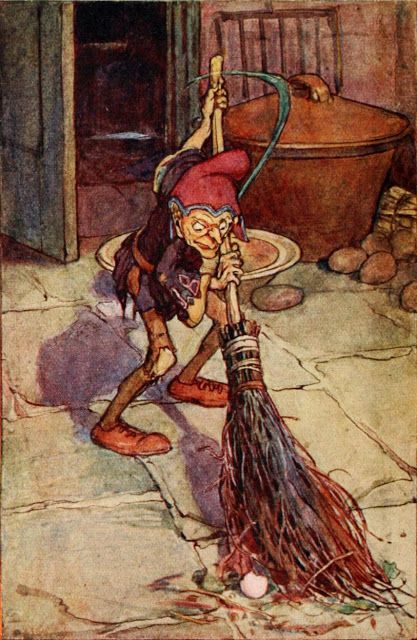
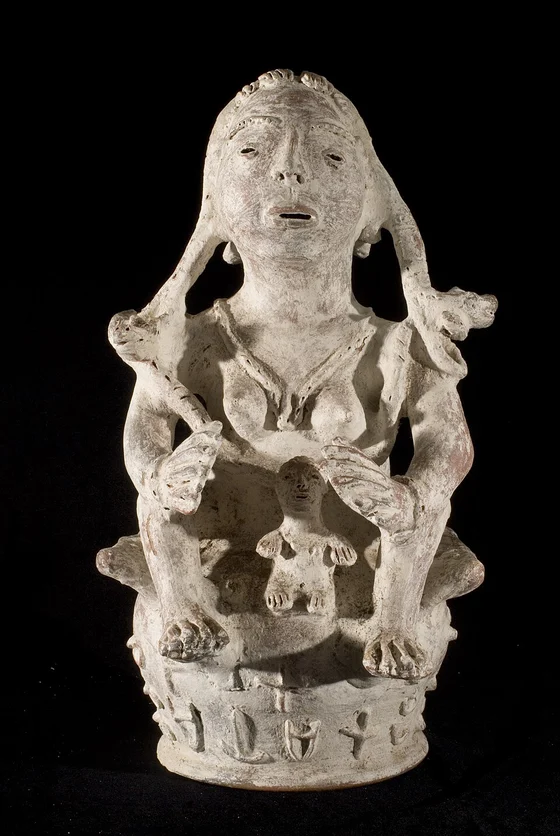
A sourced illustration has not yet been added. This gap is included in the coverage record.
Overview
Tokoloshe is recorded under numerous spellings and is commonly associated with a small, disturbing being; some accounts emphasize hairiness or water. The word also circulates in jokes, journalism and popular entertainment. Those uses are evidence of a living term, but they do not all represent the same community’s spiritual understanding.
Stories about nighttime disturbance and interpersonal harm can have serious meanings for participants. A compendium should therefore avoid treating a reported experience as a spectacle or giving an invented list of remedies. The historical dictionary provides dated usages, while ethnographic work can examine the changing relations among healing, belief and public language in South Africa.
Origins & earliest records
The Dictionary of South African English provides dated quotations and spelling variants. Flint’s historical study is selected for the wider healing context, not as the origin of every tokoloshe account. A surviving record dates its documentation, not the beginning of an oral tradition; earlier transmission cannot be timed precisely from this witness alone.
Records & interpretation
Lexical quotations establish when writers used the name and what descriptions they attached to it. They are evidence of language and cultural interpretation, distinct from verified observation of a physical species. This is evidence for cultural expression and recorded interpretation, rather than a zoological specimen or independently verified supernatural event.
Selected bibliography
Documented works and useful reading. This is not a list of every appearance.
- 01
Healing Traditions: African Medicine, Cultural Exchange, and Competition in South Africa, 1820–1948
Selected relevant primary or ethnographic work; the online source below is separate.
- 02
Nursery Tales, Traditions, and Histories of the Zulus, Volume I
Henry Callaway, Nursery Tales, Traditions, and Histories of the Zulus, Volume I, Springvale, Natal: John A. Blair, 1868; bilingual Zulu/English edition, selected Princeton scan. Complete individual accounts read; narrator credits retained at section boundaries.
Family & connections
A source-supported family tree or inspiration record has not yet been compiled for this profile. Related reading below indicates a connection in subject matter, not a proven lineage or creative influence.
Located primary passages
Specific passages supporting details in this entry, grouped by their published witness.
Nursery Tales, Traditions, and Histories of the Zulus, Volume I
Henry Callaway, Nursery Tales, Traditions, and Histories of the Zulus, Volume I, Springvale, Natal: John A. Blair, 1868; bilingual Zulu/English edition, selected Princeton scan. Complete individual accounts read; narrator credits retained at section boundaries.
- Mbanda attributes the account to people arriving from the Amakxosa and to one reported eyewitness among his own community. The short hairy pool creature dances, accompanies women and carries their firewood, while husbands kill such beings.
- The narrator recalls milking Uzilinkomo’s cattle as a child: the filled calabash is found empty, calves are released and milking cords disappear, all attributed to the creature. Unaiatshe’s taking milk directly into his mouth angers it, and subsequent physical impairment is reported.
- A jealous husband ambushes and kills both his wife and her supernatural partner before going to a dance. In a separate episode the rejected Umtshakazi seeks a helper, summons a river being, flees frightened and is followed; people throw stones and it returns to the pool.
Utikoloshe, printed pp.350–351; wedding-dance and Umtshakazi sequences
- A husband notices a departing small shadow, returns unexpectedly and kills the creature while sparing his wife. He makes her carry its wrapped body to her family; after its exposure the family returns his bridewealth cattle. The closing narrator credit is Usoko Masila, whom the editor identifies as Amangwane with experience among the Amakxosa.
Utikoloshe, printed p.352; final encounter and footnotes7–10
His stated historical regional distinction is not a universal present-day absence among Zulu communities. Shaw is quoted by Callaway only; the underlying Shaw book has not been independently read here. Narrative attribution is not evidence of a medical cause; Callaway glosses the impairment rather than documenting an examination. The separate beings and episodes are not merged into the resurrection of one killed individual. Summoning instructions and ritual wording are not reproduced. This wife survives, contrasting with the earlier double killing. The text’s kinship and regional context remain account-specific.
Encyclopedia background
An additional attributed reference, separate from the editorial profile above.
Read the open encyclopedia overview
In Nguni mythology, the tokoloshe, tikoloshe, tikolosh, tonkolosh, tonkolosi, tokolotshe, thokolosi, or hili is a dwarf-like water spirit. It is a mischievous and evil spirit that can become invisible by drinking water or swallowing a stone. Tokoloshes are called upon by malevolent people to cause trouble for others. At its least harmful, a tokoloshe can be used to scare children, but its power extends to causing illness or even the death of the victim. Protection against them includes traditional methods such as raising beds off the ground and interventions by spiritual figures like pastors with an apostolic calling or traditional healers (sangomas), who are seen to possess the power to banish them. The tokoloshe is often referenced satirically to critique the influence of superstitions on behaviour and society.
Text from Wikipedia contributors, “Tokoloshe”. CC BY-SA 4.0. Extracted introduction; formatting changed. Retrieved 5 October 2026. The source article may have changed since retrieval.
References
Sources supporting this profile. Linked pages have their own scope and editorial standards.
- ReferenceDictionary of South African English: tokolosheResearch access: 2026-10-05
Image credits
A sourced illustration has not yet been added. This gap is included in the coverage record.