Mimih
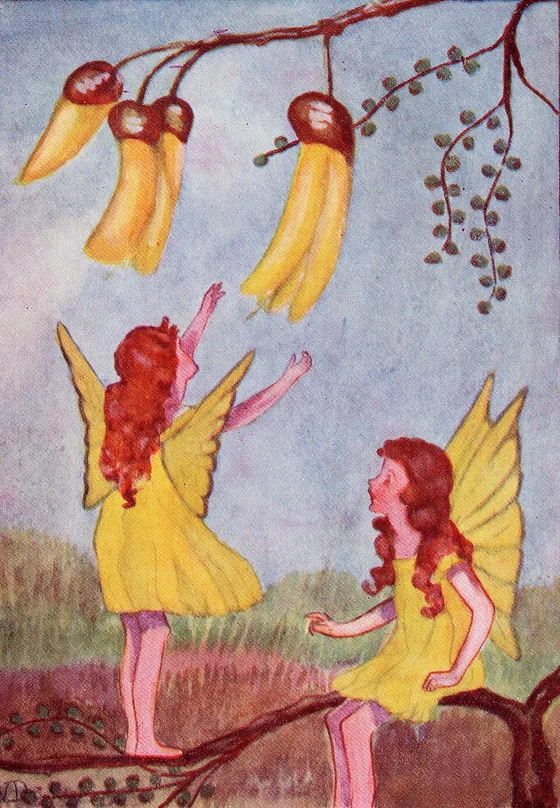
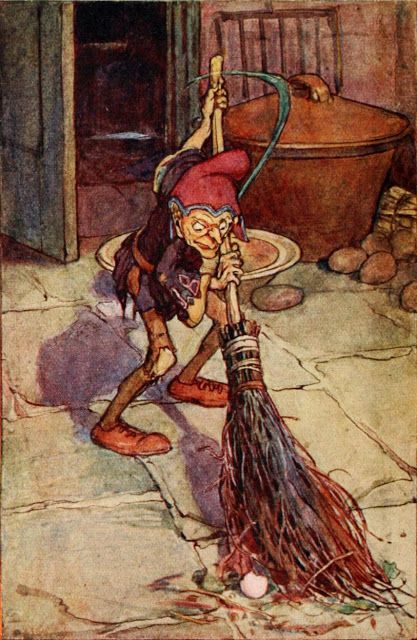
Image associated with the exact linked encyclopedia article; consult credited file description for its interpretation.
Overview
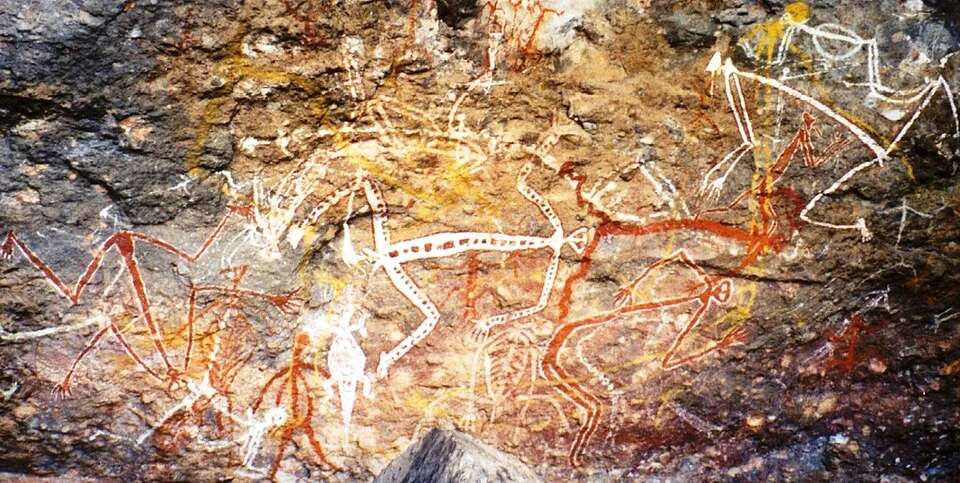
Public National Museum interpretation associates mimih with western Arnhem Land’s rocky country and teaching Bininj people hunting, cooking, dancing, singing and painting. Luke Taylor’s 5 June 2014 lecture names Two Mimih Spirits Dancing and Mimih Spirits, both painted by Paddy Compass Namatbara in 1963. Namatbara lived at Croker Island and painted for collector Karel Kupka.
Taylor describes rock-dwelling trickster spirits with an internal world containing sun and rivers. He also identifies Mimih Hunting, about 1980, by Dick Nguleingulei Murrumurru, connecting a hunting image with knowledge about cutting and distributing game. These are particular public artworks and interpretations, not a single pan-Aboriginal anatomy. Artist, place, date and pictorial purpose remain central to comparing them; the dating of a painting cannot date the beginning of an oral account.
Origins & earliest records
Public works including Namatbara’s 1963 paintings and Taylor’s 2014 lecture provide dated witnesses. Earlier rock-art comparisons do not by themselves date the origin of a particular oral account. A surviving record dates its documentation, not the beginning of an oral tradition; earlier transmission cannot be timed precisely from this witness alone.
Records & interpretation
Artist-attributed paintings and ethnographic discussion document the public representation of mimih and their teaching role. Dating an artwork cannot establish a supernatural being’s age or physical existence. This is evidence for cultural expression and recorded interpretation, rather than a zoological specimen or independently verified supernatural event.
Selected bibliography
Documented works and useful reading. This is not a list of every appearance.
- 01
Individual inspiration and social connection in western Arnhem Land
Public ethnographic lecture by Luke Taylor, 5 June 2014; selected discussion, not an exhaustive bibliography.
Family & connections
A source-supported family tree or inspiration record has not yet been compiled for this profile. Related reading below indicates a connection in subject matter, not a proven lineage or creative influence.
Encyclopedia background
An additional attributed reference, separate from the editorial profile above.
Read the open encyclopedia overview
Mimis (or Mimih spirits) are fairy-like beings of Arnhem Land in the folklore of the Aboriginal Australians of northern Australia. They are described as having extremely thin and elongated bodies, so thin as to be in danger of breaking in case of a high wind. To avoid this, they usually spend most of their time living in rock crevices.
According to Aboriginal folklore, Mimi had human form and made the first rock paintings before the Aboriginal people first came to northern Australia. The Mimi taught the Aboriginal people how to paint, and how to hunt and cook kangaroo meat. The Mimis are considered to be mischievous but generally harmless.
Text from Wikipedia contributors, “Mimi (folklore)”. CC BY-SA 4.0. Extracted introduction; formatting changed. Retrieved 5 October 2026. The source article may have changed since retrieval.
References
Sources supporting this profile. Linked pages have their own scope and editorial standards.
- MuseumNational Museum of Australia: Old Masters—Western Arnhem LandResearch access: 2026-10-05
- Primary textLuke Taylor: Individual inspiration and social connection in western Arnhem LandResearch access: 2026-10-05
Image credits
Reference illustrationMimih
Image associated with the exact linked encyclopedia article; consult credited file description for its interpretation.