Gold-digging ants
Image associated with the exact linked encyclopedia article; consult credited file description for its interpretation.
Overview
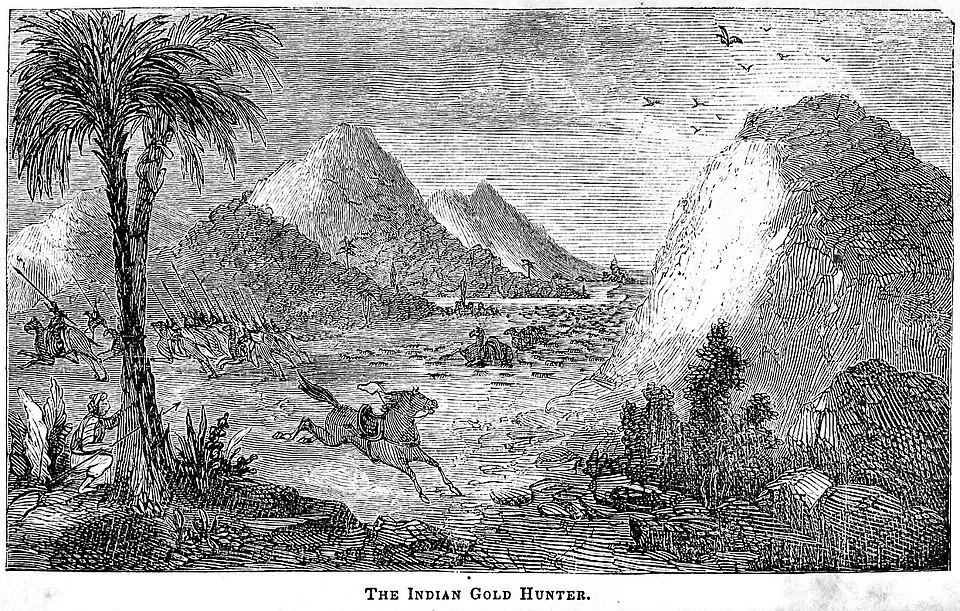
These ants inhabit sandy country near Kaspatyros in Herodotus’s account, which places them between foxes and dogs in size. Their digging brings gold-rich material to the surface. Travellers attempt to take the sand while the creatures shelter below ground during the hottest hours. The account combines a familiar insect activity with extraordinary scale and a valuable resource, making an apparently ordinary desert into a place of mortal danger.
The escape depends on camels, especially a female separated from her young and therefore eager to return. As the ants pursue by scent, lagging male camels are abandoned. Herodotus attributes important parts of the story to Persian reports. This frame matters: the narrative does not supply an independently measured animal or the testimony of every Indian community. Later attempts to explain the ants through particular mammals should remain proposed interpretations, rather than being silently substituted for the described creatures.
Origins & earliest records
Histories III.102–105, composed in the fifth century BCE, is the selected written witness. Its narration includes reports attributed to Persians and a claim that the Persian king possessed captured examples. The literary account does not establish an oral beginning, validate those specimens or provide a modern identification of the creatures.
Records & interpretation
The inspected passage supports the relative size, gold-bearing sand, pursuit and camel escape. These are textual claims within a travel narrative. They demonstrate the circulation of an extraordinary account, rather than laboratory identification or zoological evidence for dog-sized ants. The source’s attribution of information is retained instead of being erased.
Selected bibliography
Documented works and useful reading. This is not a list of every appearance.
- 01
Histories III.102–105
Selected primary passage inspected; publication and transmission dates are distinguished from oral origins.
Family & connections
A source-supported family tree or inspiration record has not yet been compiled for this profile. Related reading below indicates a connection in subject matter, not a proven lineage or creative influence.
Encyclopedia background
An additional attributed reference, separate from the editorial profile above.
Read the open encyclopedia overview
The gold-digging ant is a mythical insect described in classical and medieval bestiaries. They were dog- or fox-sized ants that dug up gold in sandy areas. Some versions of the Physiologus said they came from Aethiopia, while Herodotus claimed they were located in India. They were also briefly mentioned by Megasthenes in his book Indika.
Text from Wikipedia contributors, “Gold-digging ant”. CC BY-SA 4.0. Extracted introduction; formatting changed. Retrieved 5 October 2026. The source article may have changed since retrieval.
References
Sources supporting this profile. Linked pages have their own scope and editorial standards.
- Primary textHistories III.102–105Research access: 2026-10-05
Image credits
Reference illustrationGold-digging ants
Image associated with the exact linked encyclopedia article; consult credited file description for its interpretation.