Alicanto
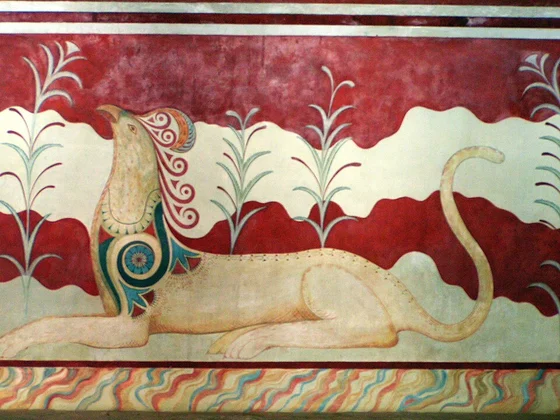
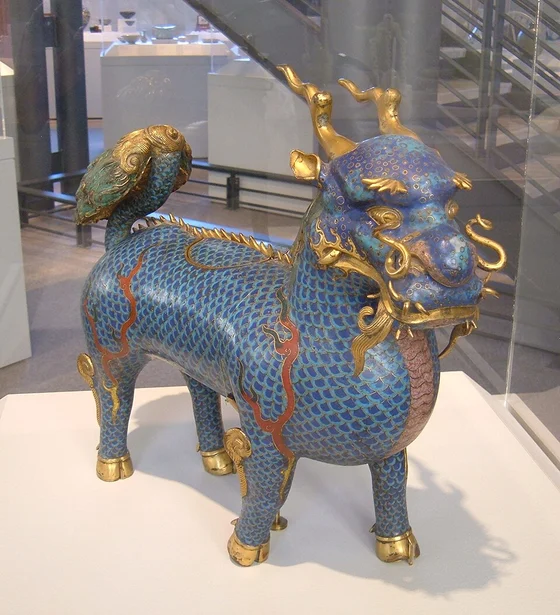
Image associated with the exact linked encyclopedia article; consult credited file description for its interpretation.
Overview
The alicanto’s luminosity and relation to gold or silver connect the bird with a miner’s desire to discover hidden wealth. Its extraordinary diet separates it from an ordinary bird, while its movements promise a route to something valuable. Following the being turns prospecting into a test of observation, desire and judgment.
Different retellings alter whether the bird helps a worthy person, evades pursuit or leads an unsuitable follower into danger. Those moral details should remain version-specific. Vicuña Cifuentes’s early twentieth-century collection places the figure within a broader Chilean repertoire, and later educational texts keep it visible. The story’s mining context matters more than fitting it into a universal category of treasure bird.
Origins & earliest records
Vicuña Cifuentes’s 1915 collection is a dated witness to the alicanto in Chilean folklore. The surviving publication does not establish the first telling or every northern mining community’s version. A surviving record dates its documentation, not the beginning of an oral tradition; earlier transmission cannot be timed precisely from this witness alone.
Records & interpretation
The collected narrative and its later educational reception establish luminosity and precious-metal associations. They do not demonstrate a bird capable of metabolizing gold or reliably locating a mineral deposit. This is evidence for cultural expression and recorded interpretation, rather than a zoological specimen or independently verified supernatural event.
Selected bibliography
Documented works and useful reading. This is not a list of every appearance.
- 01
Mitos y supersticiones recogidos de la tradición oral chilena
Historical folkloric collection; bibliography verified through Memoria Chilena. The separately linked university museum interpretation supports the bird’s mineral-feeding and guiding role; full collection passage was not extracted in this pass.
Family & connections
A source-supported family tree or inspiration record has not yet been compiled for this profile. Related reading below indicates a connection in subject matter, not a proven lineage or creative influence.
Encyclopedia background
An additional attributed reference, separate from the editorial profile above.
Read the open encyclopedia overview
The alicanto, in Chilean mythology, is a nocturnal flightless bird of the Atacama desert, which is said to run at night with glowing outspread wings, glittering in the gold or silver color deriving from the precious ores it supposedly eats. Some say it has strangely shining eyes. If the bird can be successfully detected without being noticed, it will lead the miner or prospector to a mother lode of gold or silver. But if the bird detects a human, it is said to extinguish its illumination, then disappear into darkness, or worse, lead the human to a perilous fall from a precipice.
Text from Wikipedia contributors, “Alicanto”. CC BY-SA 4.0. Extracted introduction; formatting changed. Retrieved 5 October 2026. The source article may have changed since retrieval.
References
Sources supporting this profile. Linked pages have their own scope and editorial standards.
- MuseumMuseo de Arte Contemporáneo, Universidad de Chile: El alicantoResearch access: 2026-10-05
- Primary textMitos y supersticiones recogidos de la tradición oral chilenaResearch access: 2026-10-05
Image credits
Reference illustrationAlicanto
Image associated with the exact linked encyclopedia article; consult credited file description for its interpretation.