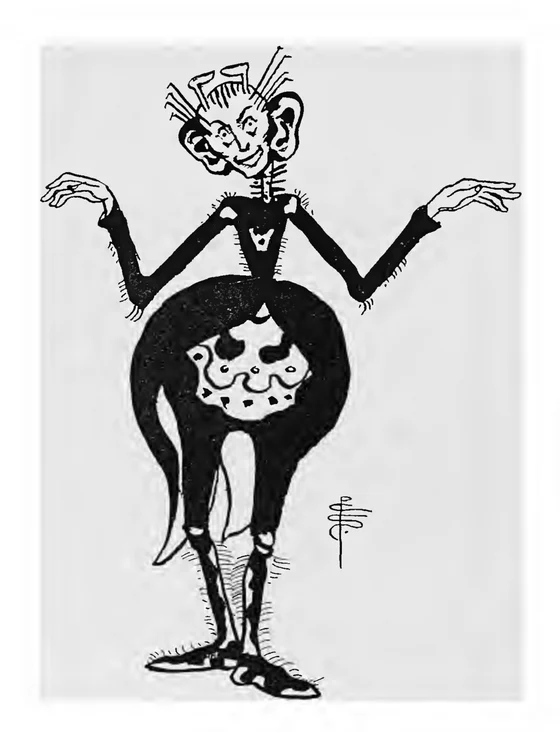
A sourced illustration has not yet been added. This gap is included in the coverage record.
Overview
The hare’s small size is important because strength usually belongs to an opponent. Sungura can escape danger through a trick, exploit a misunderstanding or gain access to food by bending a social rule. The resulting humor depends on reversals of power, although hare stories do not all approve of the character’s selfishness.
Werner compares Swahili accounts with neighboring hare traditions, which is useful only if their distinct settings remain visible. A Swahili tale character should not stand for every hare in Africa, and American Brer Rabbit has its own history. Following one actual plot reveals more than assigning a global trait such as cunning to an entire continent’s storytellers.
An earlier, directly located witness is Edward Steere’s bilingual Swahili Tales, published in London in 1870. In his preface he says the stories initially helped him learn the language of Zanzibar, and that he aimed at a literal English rendering. He identifies contributors rather than presenting the whole volume as anonymous. Hamisi wa Kayi, whose written name he gives as Khamis bin Abubekr, supplied The Hare and the Lion. The separate Mombasa-dialect Hare, Hyæna, and Lion was written out for him by Mohammed bin Abd en Nuri, also called Kathi. Steere’s judgments about the relative purity of dialects are the collector’s historical opinions.
In The Hare and the Lion, Sungura discovers honey in a tree and recruits a buku as a companion by claiming that the hive belonged to his dead father. The story later makes clear that the honey belongs to Lion. When Lion catches them eating it, Hare hides in their bundle of straw, is thrown down and escapes; Lion eats the abandoned companion. Hare repeats the invitation with Tortoise, but Tortoise recognizes the intended betrayal and tells Lion that Hare is inside the straw. The trickster’s success is therefore neither automatic nor harmless to others.
Caught in Lion’s paw, Hare argues that his tough flesh should first be softened by being swung by the tail and struck against the ground. He slips free during the swinging. Tortoise independently escapes by persuading Lion to rub his shell off in mud; Lion instead injures his own paws. The later house episode gives Hare a wife. Seeing Lion’s tracks, Hare sends her away and approaches their house alone. He calls a greeting to the building and pretends it normally answers. Lion answers from inside and exposes his hiding place. After a chase, the exhausted Lion abandons the pursuit. The house has not actually acquired a voice, and Lion is not killed in this ending.
The Mombasa narrative on pages 325–329 has a more violent result. Hare, Hyæna and Lion cultivate a distant garden. Hare proposes that anyone stopping on the journey should be eaten, then twice excuses his own pauses as thoughtfulness. Hyæna tries the excuse but admits to having no thought to offer, and his companions eat him. Hare next demonstrates a passage through a cave and encourages Lion to follow; Lion becomes trapped. Hare eats flesh from his back while avoiding his front, then leaves him there and takes the garden. The English ending still gives Lion speech before Hare departs; it supplies no subsequent rescue or explicit death scene.
Steere’s preface also records the name as a teasing or reproachful street address in Zanzibar. His unnamed interlocutor explains the animal’s supposed cleverness through the constant movement of its mouth. The same preface briefly mentions a well tale in which all guards are cheated except Spider. These are located comments about usage and storytelling, not evidence that one zoological species possesses human speech or that every performance has the same moral.
Werner uses the Swahili name throughout a composite sequence. Her guinea-fowl footnote acknowledges replacing the Swahili source’s mongoose with Hyena. The partners expose each other’s theft and beating through music, then fight without ending their partnership. This edited comparison remains distinct from Steere’s individually attributed narratives.
Origins & earliest records
Steere’s 1870 bilingual collection is a directly located nineteenth-century witness here, with named Zanzibar and Mombasa contributors. Werner’s 1933 comparative chapter is later. Neither publication dates the beginning of oral transmission or establishes an earliest African hare tale.
Records & interpretation
Complete English tales on printed pp. 325–329 and 369–377 read in the cached 1870 volume, with title and relevant preface pp. v–ix. Swahili facing text is present but no full independent translation is claimed. Selected Werner opening, well sequence and guinea-fowl narrative with its editorial footnote read; the final part of her chapter remains outside this new review.
In the literature
“The hare has beaten me”
The Hare and the Lion, English377, lion’s final concession · Edward Steere
The exhausted lion gives up pursuing the trickster hare.
Selected bibliography
Documented works and useful reading. This is not a list of every appearance.
- 01
Swahili Tales, as Told by Natives of Zanzibar — The Hare and the Lion
Printed pp. 369–377, with English narrative beginning p. 371; contributor attribution in preface p. ix. Complete English tale checked.
- 02
Swahili Tales, as Told by Natives of Zanzibar — The Hare, the Hyæna, and the Lion
Printed pp. 325–329; Mombasa-dialect contribution identified in preface p. ix. Complete English tale checked; opening heading precedes English prose.
- 03
Myths and Legends of the Bantu — Chapter XVII, Brer Rabbit in Africa
Selected sequences and editorial footnotes checked; not the complete chapter.
- 04
Swahili Tales, as Told by Natives of Zanzibar — The Hare, the Hyaena, and the Lion
London: Bell & Daldy,1870 actual title-page OCR. Title325; complete bilingual325–329, English narrative327/329; contributor prefaceix. Complete selected English narrative and relevant prefacev–x independently read; facing Swahili placement inspected, not independently translated. No whole-volume claim.
Family, evolution & connections
Unnamed wife in Steere’s The Hare and the Lion
The narrator calls her the hare’s wife, and she calls him her husband on p. 375. No name or children are stated. The honey-inheritance story is false, and the later address your son to the lion does not establish parentage.
Located primary passages
Specific passages supporting details in this entry, grouped by their published witness.
Swahili Tales, as Told by Natives of Zanzibar — The Hare, the Hyaena, and the Lion
London: Bell & Daldy,1870 actual title-page OCR. Title325; complete bilingual325–329, English narrative327/329; contributor prefaceix. Complete selected English narrative and relevant prefacev–x independently read; facing Swahili placement inspected, not independently translated. No whole-volume claim.
- The hare exploits a predatory travel rule and keeps the shared garden.
Title325; complete bilingual325–329, English narrative327/329; contributor prefaceix
The Swahili title/body calls this Mombasa hare Kititi, whereas the other selected tale uses Sungura; Steere’s English links them as hare tales. Lion death is not separately stated after the hare leaves. No literal paternal relationship is constructed from familiar forms of address.
Swahili Tales, as Told by Natives of Zanzibar — The Hare, the Hyaena, and the Lion
London: Bell & Daldy,1870 actual title-page OCR. Title369; complete bilingual369–377, English narrative371/373/375/377; contributor prefaceix. Complete selected English narrative and relevant prefacev–x independently read; facing Swahili placement inspected, not independently translated. No whole-volume claim.
- The hare steals honey and defeats the pursuing lion through successive deceptions.
Title369; complete bilingual369–377, English narrative371/373/375/377; contributor prefaceix
The honey is explicitly the lion’s property, so the hare’s claimed inheritance is deception, not evidence of a dead father. The house does not actually speak. The wife is present without a personal name; your son addressed to the lion is not biological pedigree. The edition’s note93 p.502 identifies buku as an exceedingly large kind of rat; no modern species is inferred.
References
Sources supporting this profile. Linked pages have their own scope and editorial standards.
- Primary textMyths and Legends of the BantuResearch access: 2026-10-05
- Bilingual collected primary narratives and collector prefaceSteere1870: title, contributor preface and two complete hare talesResearch access: 2026-10-05
- Historical comparative retellingWerner1933 XVII: selected narratives and editorial footnotesResearch access: 2026-10-05
Image credits
A sourced illustration has not yet been added. This gap is included in the coverage record.