Siguanaba
Image associated with the exact linked encyclopedia article; consult credited file description for its interpretation.
Overview
A familiar Guatemalan telling places the Siguanaba before a man travelling at night in pursuit of drink or an affair. He follows an attractive woman toward danger, sometimes a ravine. The national news agency presents this as a cautionary narrative about conduct. That interpretation describes a particular account and should not be promoted as a judgement on real women or travellers.
Fieldwork near Lake Güija records another pattern: the apparition can take the appearance of a loved woman before revealing frightening features. Later research in Jutiapa documents continued retelling among adults and younger people. These examples make variation part of the subject, rather than an error to eliminate. The Siguanaba's dramatic revelation is more consistent across tellings than a single mandated face, costume or origin story.
A named Salvadoran transmission is preserved in the MUNA’s report of Celio López’s public talk on 3 June 2023. López, a cofrade and rehearsal master of San Antonio Abad’s historiantes, recalled his grandfather’s stories and their frightening effect on him as a child. When he rode his grandfather’s horse at midnight, the older man warned that Siguanaba would torment him. This witness gives the figure a concrete place in intergenerational warning and rural night travel, rather than supplying another complete description of her body. López’s recollection is evidence of the family’s storytelling; it does not claim that he personally met the apparition. The museum’s written report was inspected, not a recording of the talk.
Origins & earliest records
Collected Guatemalan studies and published cultural accounts document the Siguanaba's regional circulation. Research in Jutiapa includes fieldwork conducted in 2021 and 2022, but those dates concern interviews, not the birth of the tradition. Claims about colonial or earlier origins require specific textual evidence and should not be inferred solely from widespread oral transmission.
Records & interpretation
The sources supply a public summary and regionally collected narratives, allowing differences to remain visible. Their evidence concerns storytelling, remembered encounters and cultural interpretation. Research does not require accepting or dismissing every narrator's experience as a condition of recording it, and it does not independently verify a supernatural entity or a universal anatomy.
Selected bibliography
Documented works and useful reading. This is not a list of every appearance.
- 01
Recopilación de tradición oral en tres comunidades del suroriente del departamento de Jutiapa
Field-based research published in CECEG Boletín 257; interviews dated 2021–2022.
- 02
Por los viejos barrios de la Ciudad de Guatemala
Collection explicitly including La Siguanaba; edition verified in Universidad de San Carlos library catalogue.
- 03
Mitos y tradiciones de San Antonio Abad se conocieron en Maquilíshuat bajo la Luna
Published6 June2023 about3 June event; full article read.
Family & connections
A source-supported family tree or inspiration record has not yet been compiled for this profile. Related reading below indicates a connection in subject matter, not a proven lineage or creative influence.
Encyclopedia background
An additional attributed reference, separate from the editorial profile above.
Read the open encyclopedia overview
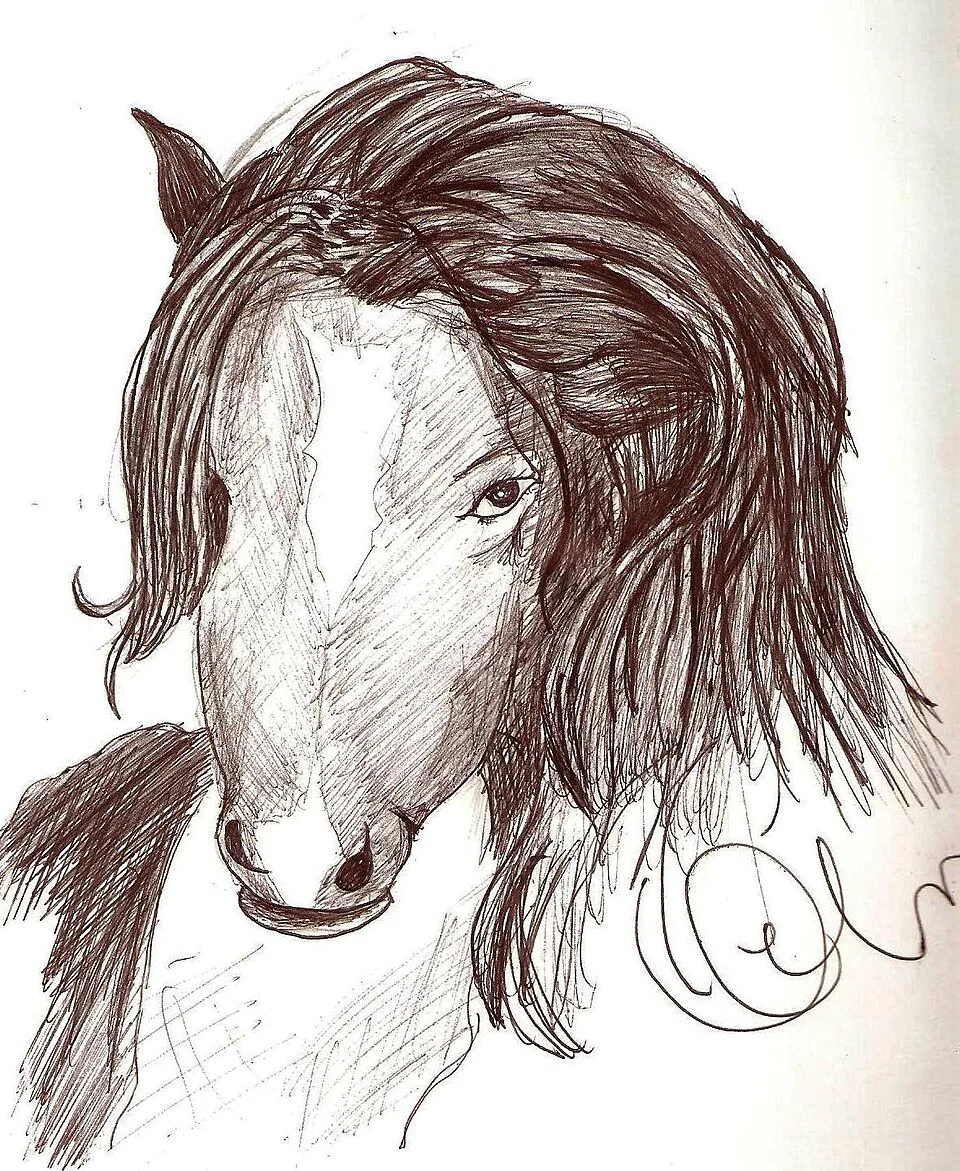
The Sihuanaba is a supernatural entity originating in Central American folklore, with related regional variants present across parts of Mexico. In standard mythological depictions, the entity functions as a shapeshifting spirit that adopts the appearance of an attractive, long haired woman to deceive observers from a distance. Utilizing this guise, it entices solitary men into isolated or hazardous environments prior to revealing a grotesque true form, commonly represented as a fleshless skull or the head of a horse.
Scholars hypothesize that the Sihuanaba and its variants originated in Spain and were introduced to Latin America during the colonial period. Under this framework, Spanish colonists adapted the legend as an instrument of social control over Indigenous and mestizo populations.
Text from Wikipedia contributors, “Sihuanaba”. CC BY-SA 4.0. Extracted introduction; formatting changed. Retrieved 5 October 2026. The source article may have changed since retrieval.
References
Sources supporting this profile. Linked pages have their own scope and editorial standards.
- ReferenceLas leyendas populares de GuatemalaResearch access: 2026-10-05
- ResearchRecopilación de tradición oral en tres comunidades del suroriente del departamento de JutiapaResearch access: 2026-10-05
- ResearchTradición oral y vigencia de los mitos en el lago de Güija, Asunción Mita, JutiapaResearch access: 2026-10-05
- GovernmentMUNA: Celio López’s family recollectionsResearch access: 2026-10-05
Image credits
Reference illustrationSiguanaba
Image associated with the exact linked encyclopedia article; consult credited file description for its interpretation.