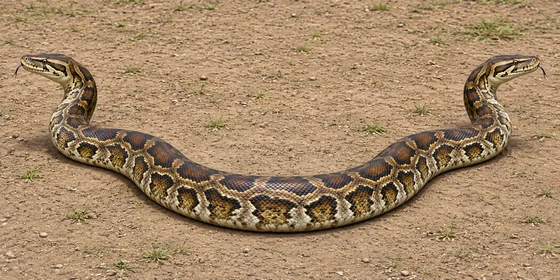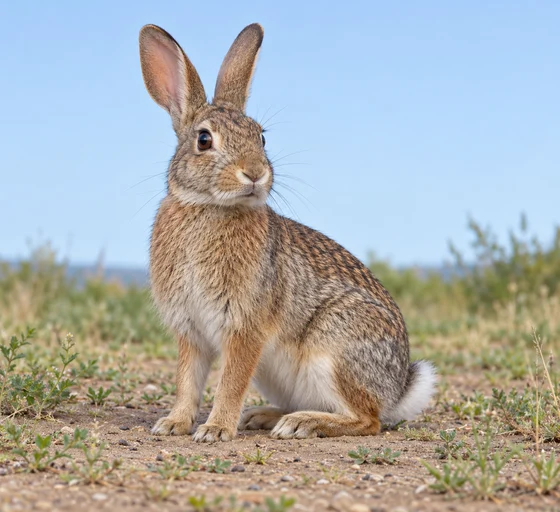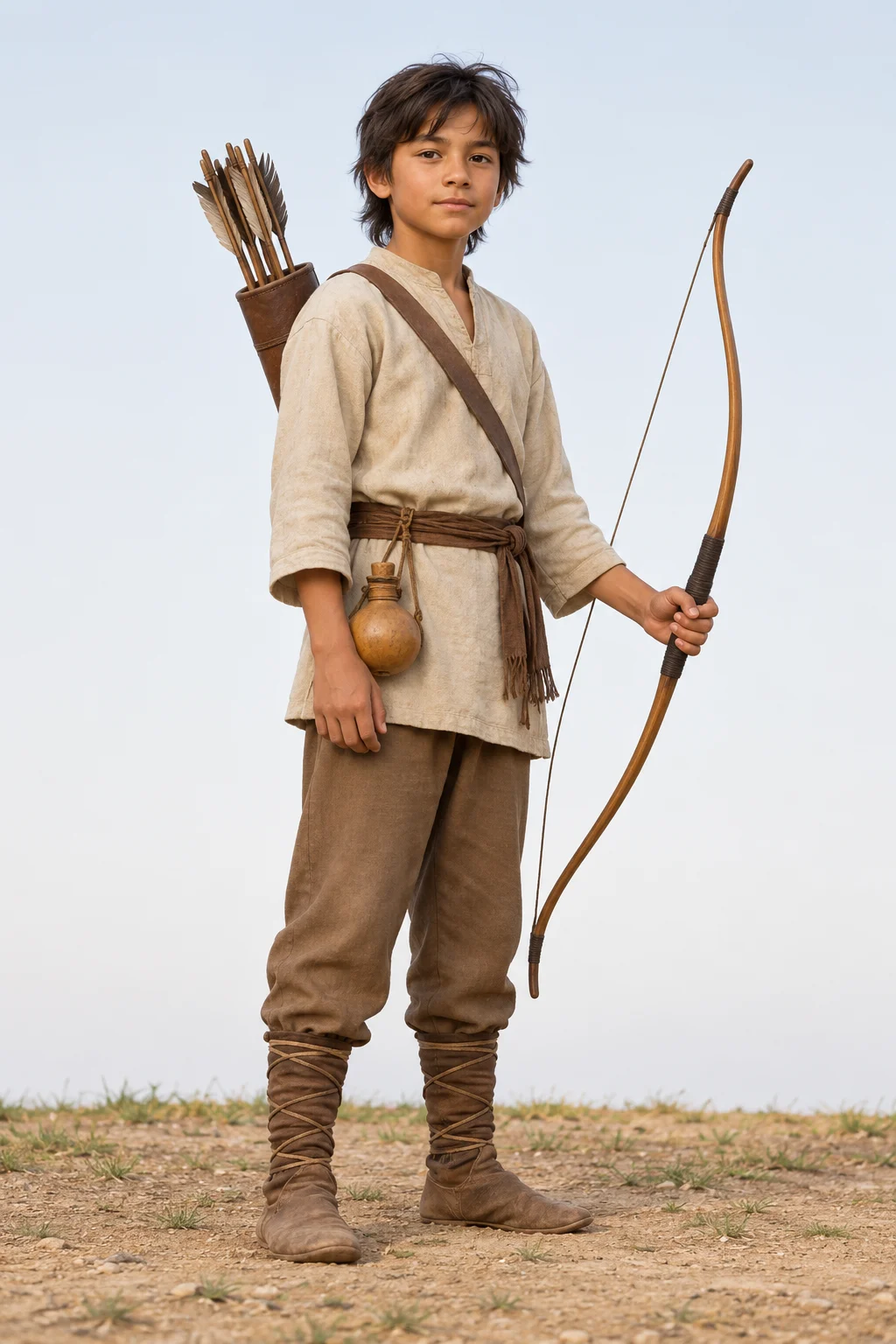
AI-generated Kachirambe interpretation.
Face, age, clothing and equipment design imagined; no ethnic-costume reconstruction.
Overview
A girl takes a hyena’s egg while gathering leaves and brings it home to be cooked. When the animal follows, her mother promises that it may eat a child she will bear. Repeated demands turn into a threat to eat the woman herself if the child is not born soon. A swelling appears on her shin and bursts, releasing Kachirambe. He arrives with a bow, a quiver of arrows, a little medicine gourd, a knife and dogs, and identifies himself as the child born on a shin bone. The egg and birth belong to the tale’s marvellous events, not ordinary hyena reproduction or human childbirth.
His mother assists the hyena’s attempts to catch him. First she hides the pursuer inside a grass bundle and sends Kachirambe to lift it. From a distance he orders the bundle to rise so he can pick it up; when it does, he refuses to approach such an impossible object. Next she sends him to build a falling-stone rat trap. The hyena triggers it, but Kachirambe asks the fallen trap to fall again. Its second movement exposes the deception, and he again avoids capture.
Sent for beans from a tree where the hyena is waiting, Kachirambe transforms himself into a fly. He gathers what he needs and returns without being noticed. A later instruction sends him for firewood, but a dream warns that the journey threatens his life. He takes his equipment, climbs a tree and faces the animal below. Pretending to descend into its open mouth, he instead throws down a piece of wood that kills it.
His dogs also die when they would bite the hyena. Kachirambe scatters his medicine over them and they rise again; the text does not explain the first deaths as a particular poison or give a recipe for the medicine. Returning to the village, he shoots an arrow and challenges his mother about sending beasts against him. She asks that her apology settle the matter without a trial. The account ends there, without a narrated killing of the mother or an ensuing reign.
Origins & earliest records
A Chinyanja narrative in Rattray’s Central Angoniland collection, published in 1907; the individual narrator and oral date are not recorded here.
Records & interpretation
Complete tale XVIII in Chinyanja and the complete English translation on pp. 133–136; all chapter notes, including the final apology gloss, and both prefaces.
Selected bibliography
Documented works and useful reading. This is not a list of every appearance.
- 01
Some Folk-Lore Stories and Songs in Chinyanja
XVIII, Kachirambe / The Story of Kachirambe, pp. 133–136; notes to XVIII
Family & connections
A source-supported family tree or inspiration record has not yet been compiled for this profile. Related reading below indicates a connection in subject matter, not a proven lineage or creative influence.
References
Sources supporting this profile. Linked pages have their own scope and editorial standards.
- Original historical bilingual narrative and English translationRattray 1907 — XVIII, Kachirambe / The Story of Kachirambe, pp. 133–136; notes to XVIIIResearch access: 2026-10-18
- Original collector and prefatory contextHetherwick and Rattray — complete prefacesResearch access: 2026-10-18
Image credits
AI-generatedAI-generated Kachirambe interpretation.
Face, age, clothing and equipment design imagined; no ethnic-costume reconstruction.