Jackal (Khoekhoe tales)
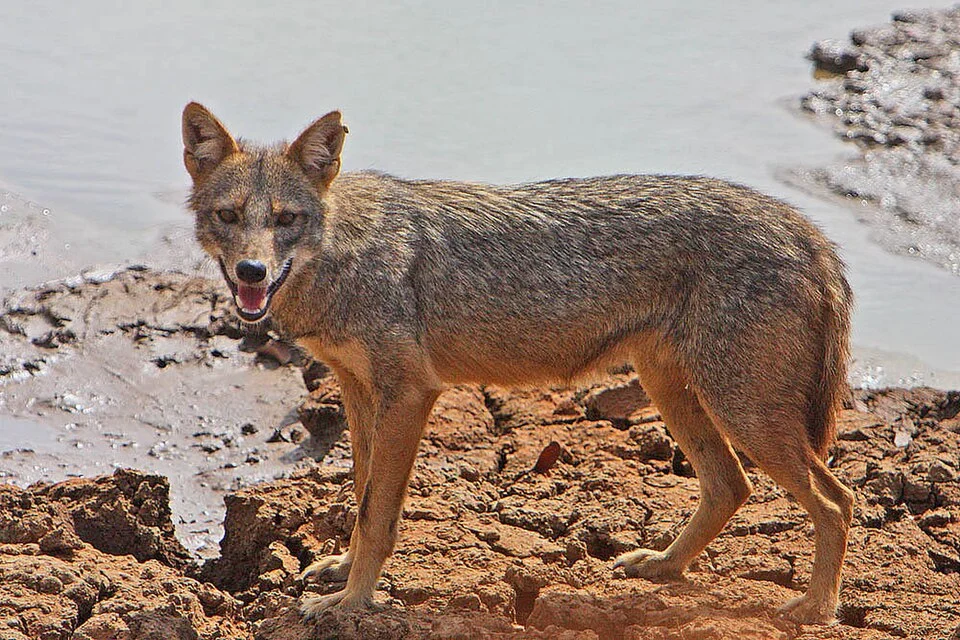
Contextual photograph of a living golden jackal; not a depiction of the Khoekhoe folktale character or a claim about which species the tales describe.
Overview
Jackal’s encounters with Lion use unequal strength as a source of comic tension. A smaller character can manipulate appetite, trust or a misleading explanation to evade danger and obtain something desirable. In other episodes a trick rebounds, reminding listeners that verbal agility does not guarantee good judgment or lasting security.
Honeÿ’s anthology combines material with different provenance, so this entry follows its explicitly attributed Khoekhoe strand rather than treating the entire book as one people’s tradition. Historic sources often use terminology now considered derogatory; retaining bibliographic traceability does not require repeating those labels in the article. Modern communities and retellings should be consulted for a fuller account.
Origins & earliest records
Honeÿ’s 1910 anthology drew on earlier collections, translations and remembered stories. The Khoekhoe attribution belongs to selected material, and should not be extended automatically to every tale in the volume. A surviving record dates its documentation, not the beginning of an oral tradition; earlier transmission cannot be timed precisely from this witness alone.
Records & interpretation
Collected animal narratives demonstrate character relationships and the publication history of Jackal stories. The real animal’s presence in southern Africa does not independently verify the speaking social character of the tales. This is evidence for cultural expression and recorded interpretation, rather than a zoological specimen or independently verified supernatural event.
In the literature
“he proposed that they bring the matter to the court of Lion, Tiger, and the other animals.”
THE MONKEY'S FIDDLE; paragraph beginning “They made a good meal together, but instead of…”
“The Monkey’s Fiddle”: Jackal is an interested intermediary; precise oral community not independently established.
“Jackal's testimony was against him.”
THE MONKEY'S FIDDLE; paragraph beginning “Monkey's evidence was weak, and to make it worse,…”
The testimony harms Monkey; Honeÿ explains Jackal’s interest in the weapon.
“But we shall go to-morrow and eat it together.”
THE TIGER, THE RAM, AND THE JACKAL; paragraph beginning “"What a foolish fellow you are," cried Jackal, "to…”
“The Tiger, the Ram, and the Jackal”: opportunistic advice; collector’s labels preserved.
Selected bibliography
Documented works and useful reading. This is not a list of every appearance.
- 01
South-African Folk-Tales
Selected primary witness; not an exhaustive bibliography.
Family & connections
A source-supported family tree or inspiration record has not yet been compiled for this profile. Related reading below indicates a connection in subject matter, not a proven lineage or creative influence.
Located primary passages
Specific passages supporting details in this entry, grouped by their published witness.
Primary source witness
New York: Baker & Taylor, November 1910; mixed traditions.
- “The Monkey’s Fiddle”: Jackal is an interested intermediary; precise oral community not independently established.
THE MONKEY'S FIDDLE; paragraph beginning “They made a good meal together, but instead of…”
- The testimony harms Monkey; Honeÿ explains Jackal’s interest in the weapon.
THE MONKEY'S FIDDLE; paragraph beginning “Monkey's evidence was weak, and to make it worse,…”
- “The Tiger, the Ram, and the Jackal”: opportunistic advice; collector’s labels preserved.
Published witness, not zoological proof or an established earliest origin.
References
Sources supporting this profile. Linked pages have their own scope and editorial standards.
- Primary textSouth-African Folk-TalesResearch access: 2026-10-05
Image credits
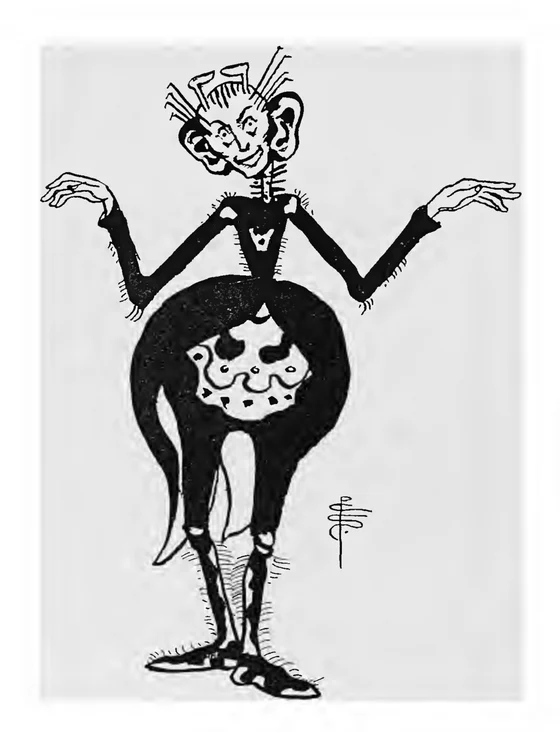
Thematic illustrationJackal (Khoekhoe tales)
Contextual photograph of a living golden jackal; not a depiction of the Khoekhoe folktale character or a claim about which species the tales describe.