A sourced illustration has not yet been added. This gap is included in the coverage record.
Overview
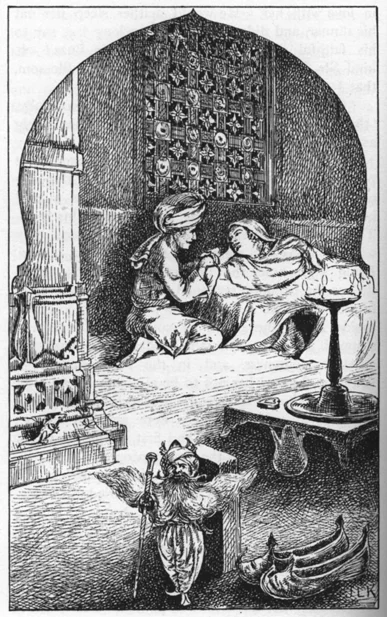
The serpent shares a well with a one-eyed demon and a pigeon. During their nighttime conversation it says that the treasures of seven kings lie underneath it. Prince Half-a-son overhears, later returns while the serpent is away and removes the wealth on mules to prove his standing before the king. The story gives the serpent speech and a treasure-guarding position but describes neither a gem-bearing hood nor a human form.
Origins & earliest records
Punjabi storytelling collected and adapted in colonial British India
Records & interpretation
Complete named tale and Temple’s corresponding notes read; university-hosted 1894 text compared in full.
Selected bibliography
Documented works and useful reading. This is not a list of every appearance.
- 01
Tales of the Punjab, Told by the People
Prince Half-a-son and corresponding Temple notes; illustrations J. Lockwood Kipling
Family & connections
A source-supported family tree or inspiration record has not yet been compiled for this profile. Related reading below indicates a connection in subject matter, not a proven lineage or creative influence.
Primary records and illustrations
Flora Annie Steel, Tales of the Punjab, Told by the People (Macmillan, 1894); R. C. Temple notes
Prince Half-a-son. Complete tale and titled notes; Gutenberg id01482/id01911; UPenn punjab-41
Full narrative and corresponding short notes directly read; Gutenberg footer excluded from final note section. Whole 1894 UPenn narrative compared, over 98% token overlap, all residual differences inspected. No biological Snake-king parentage or bodily restoration inferred.
References
Sources supporting this profile. Linked pages have their own scope and editorial standards.
- Historical collected folktaleSteel, Prince Half-a-son, complete narrativeResearch access: 2026-10-05
- Collector’s linguistic and comparative notesTemple, Notes to Prince Half-a-sonResearch access: 2026-10-05
- University-hosted historical primary textUniversity of Pennsylvania, 1894 edition transcriptionResearch access: 2026-10-05
Image credits
A sourced illustration has not yet been added. This gap is included in the coverage record.