A sourced illustration has not yet been added. This gap is included in the coverage record.
Overview
Shusi is a bird from Mount Gaotu in the first western itinerary of the Shanhaijing. Its form resembles a chi, a raptor-like bird, but its feet are human. The entry assigns an effect to eating it; the hosted witness also records alternative readings of the ailment concerned. The body description is more secure here than a precise modern translation of that therapeutic claim.
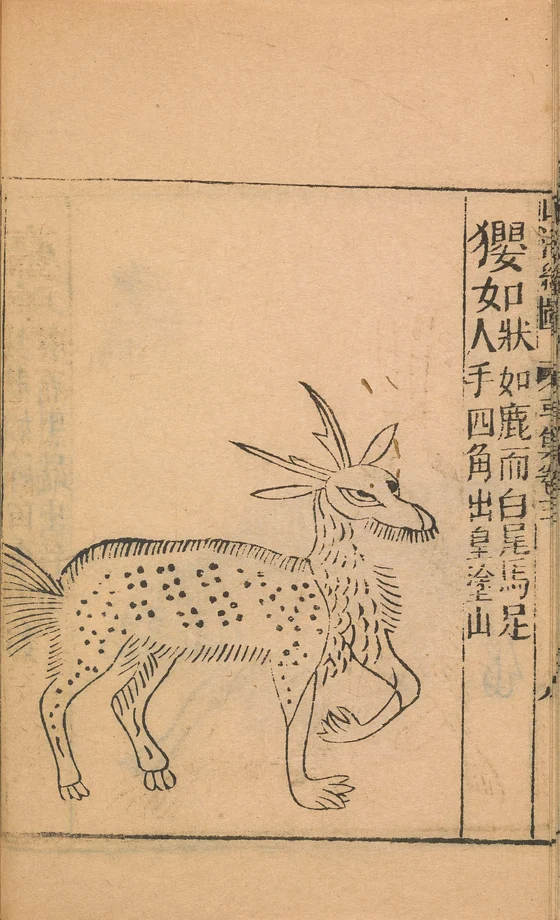
The same mountain passage describes Yingru, a separate deer-like animal with human hands and four horns. Shusi has human feet, not Yingru’s hands or horns. The parallel inventory makes the distinction especially useful when matching an illustration. No voice, colour, number of heads, seasonal appearance, or story of carrying a traveller is supplied for Shusi. Its unusual anatomy is sufficient to identify the textual creature without adding an invented life history.
Origins & earliest records
China; Shanhaijing western mountain itineraries
Records & interpretation
Directly read named primary-text transcription; historical illustration not yet assigned.
Selected bibliography
Documented works and useful reading. This is not a list of every appearance.
- 01
Shanhaijing, Western Mountains
First western itinerary; Mount Gaotu
Family & connections
A source-supported family tree or inspiration record has not yet been compiled for this profile. Related reading below indicates a connection in subject matter, not a proven lineage or creative influence.
Primary records and illustrations
Shanhaijing
Western Mountains. First western itinerary; Mount Gaotu
Directly read primary-text transcription. Identifying passage: 其狀如鴟而人足,名曰數斯. No historical scan collated for this row; attached commentary not treated as the base text.
References
Sources supporting this profile. Linked pages have their own scope and editorial standards.
- Primary text transcriptionShanhaijing: Western Mountains, received text and commentaryResearch access: 2026-10-05
Image credits
A sourced illustration has not yet been added. This gap is included in the coverage record.