Nanabozho
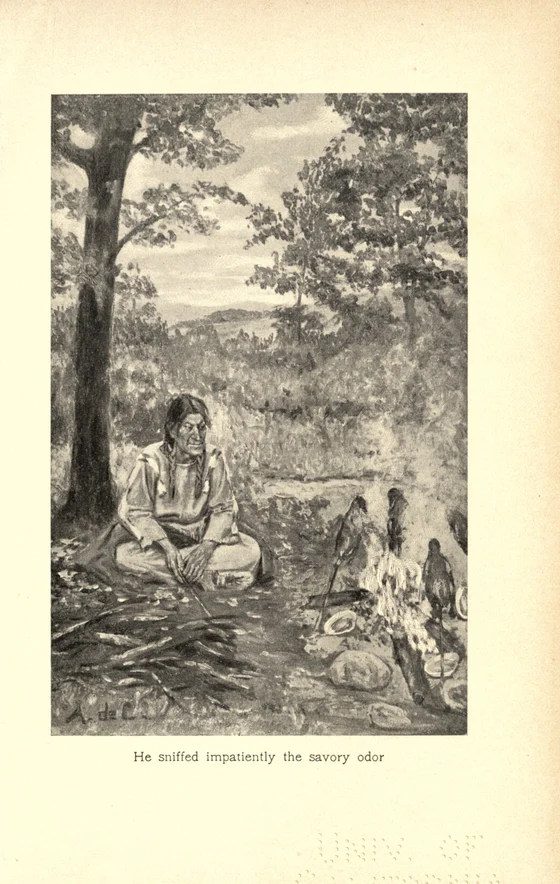
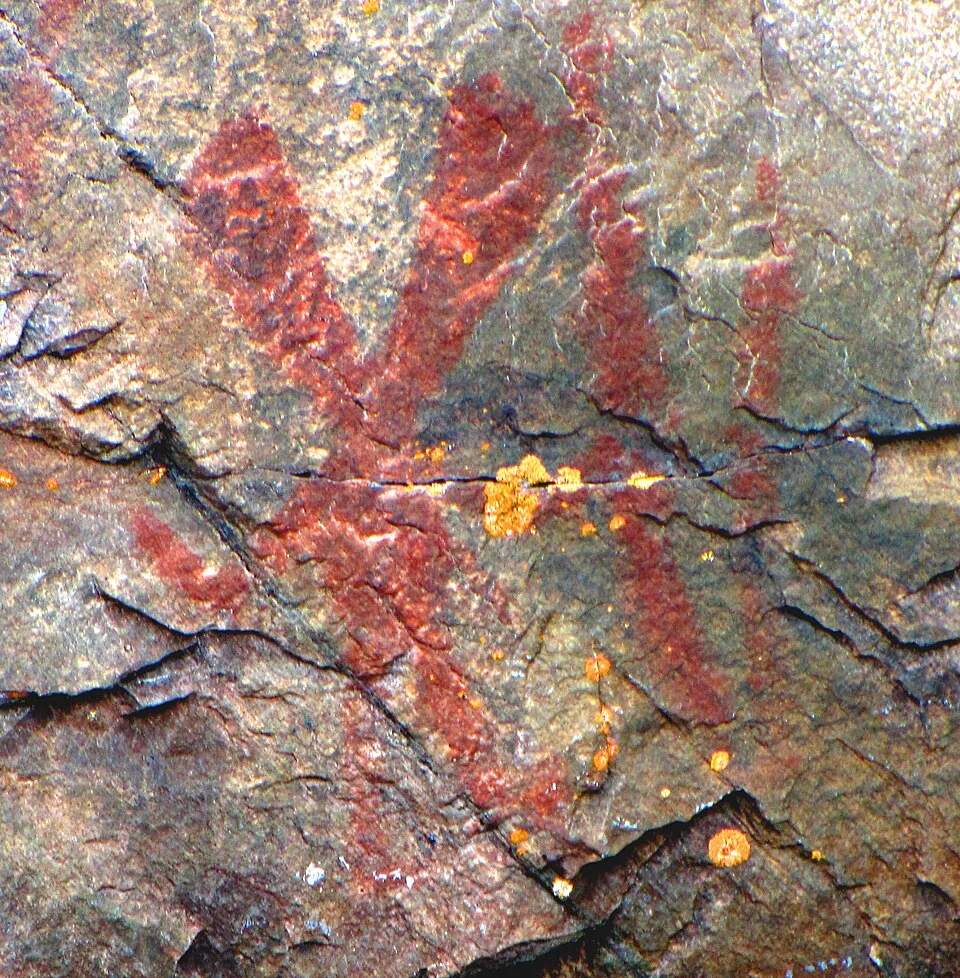
Image associated with the exact linked encyclopedia article; consult credited file description for its interpretation.
Overview
Nanabozho is an extraordinary figure in Anishinaabe storytelling, with narratives involving transformation, relationships and the ordering of life. The English category trickster can describe some episodes but should not substitute for the figure’s full cultural importance. Local tellings, spellings and community understandings are essential to any deeper account.
The Smithsonian manuscript record offers a useful example of that specificity: an attribution initially marked Ojibwe was corrected to Ottawa, or Odawa. The correction belongs to the documentary history and should remain visible. An archive catalog confirms that a textual witness exists, but it does not summarize all its contents or establish permission to disclose any knowledge beyond what is publicly described.
Origins & earliest records
The catalog dates Miscogeon’s manuscript copy to 1900 and records translator annotations and a corrected community attribution. That is a precise archival witness, not a date for the tradition’s beginning. A surviving record dates its documentation, not the beginning of an oral tradition; earlier transmission cannot be timed precisely from this witness alone.
Records & interpretation
The finding aid verifies a manuscript, creator, date and attribution history. It supplies documentary evidence without establishing every narrative detail; fuller textual interpretation requires consulting the actual permitted manuscript. This is evidence for cultural expression and recorded interpretation, rather than a zoological specimen or independently verified supernatural event.
Selected bibliography
Documented works and useful reading. This is not a list of every appearance.
- 01
The Legend of Nanabozho, NAA MS 1641
Selected relevant primary or ethnographic work; the online source below is separate.
Family & connections
A source-supported family tree or inspiration record has not yet been compiled for this profile. Related reading below indicates a connection in subject matter, not a proven lineage or creative influence.
Encyclopedia background
An additional attributed reference, separate from the editorial profile above.
Read the open encyclopedia overview
Nanabozho (in syllabics: ᓇᓇᐳᔓ, [nɐˌnɐbʊˈʒʊ]), also known as Nanabush, is a spirit in Anishinaabe aadizookaan (traditional storytelling), particularly among the Ojibwe of North America. Nanabozho figures prominently in their storytelling, including the story of the world's creation. Nanabozho is the Ojibwe trickster figure and culture hero (these two archetypes are often combined into a single figure in First Nations mythologies, among others).
Nanabozho can take the shape of male or female animals or humans in storytelling. Most commonly it is an animal such as a rabbit, a raven or coyote which lives near the tribe and which is cunning enough to make capture difficult.
Nanabozho is a trickster figure in many First Nation storytellings. While the use of Nanabush through storytelling can be for entertainment, it is often used as a way to pass down information and general life lessons.
Text from Wikipedia contributors, “Nanabozho”. CC BY-SA 4.0. Extracted introduction; formatting changed. Retrieved 5 October 2026. The source article may have changed since retrieval.
References
Sources supporting this profile. Linked pages have their own scope and editorial standards.
- MuseumSmithsonian National Anthropological Archives: MS 1641 The Legend of NanabozhoResearch access: 2026-10-05
Image credits
Reference illustrationNanabozho
Image associated with the exact linked encyclopedia article; consult credited file description for its interpretation.