Nahual
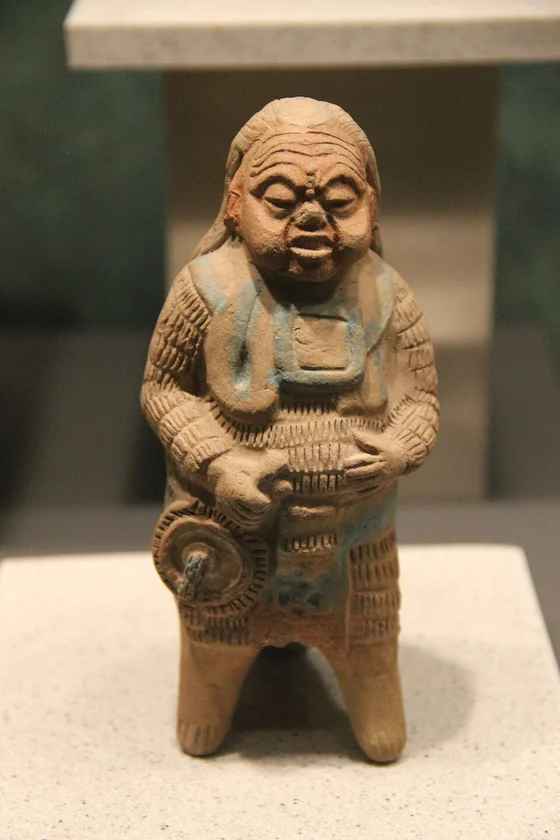
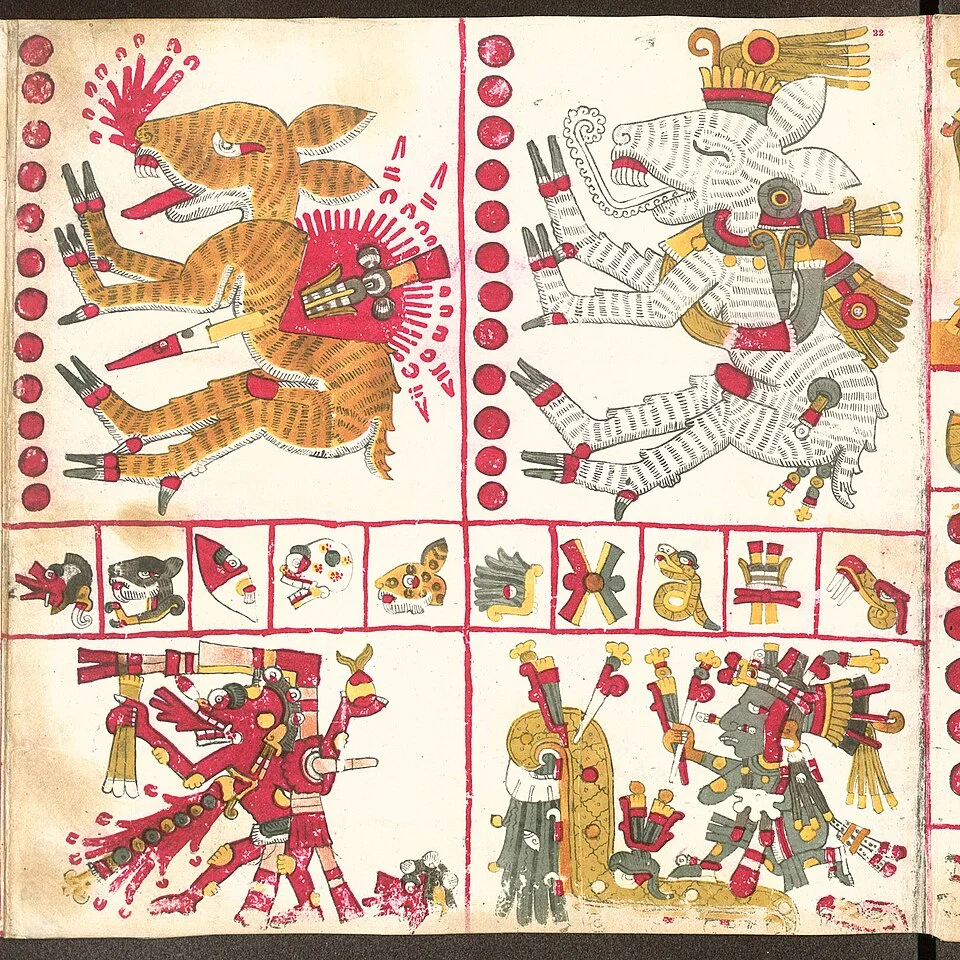
Image associated with the exact linked encyclopedia article; consult credited file description for its interpretation.
Overview
The terms nahual and nahualli have been applied to more than one relationship: a person capable of transformation, an animal counterpart, or representations tied to a particular individual's identity. A double may share illness or injury with a human counterpart. These concepts differ across communities, and they should not be collapsed into a single creature with a standard set of abilities.
Research on Guerrero and Oaxaca also places nahual traditions within healing, illness and collective social relationships. Such accounts broaden the subject beyond frightening night encounters. Narratives can explain injuries, misfortune or contested behaviour, while specialists may be associated with protection or treatment. Historical codices and contemporary ethnography therefore need to be read together carefully, with their regional differences retained and their descriptions distinguished from claims about all Indigenous Mesoamerican communities.
A distinctly local witness appears in Ana María de Urrutia’s Santa Catarina Ixtahuacán collection. On 15 July 1971, Lorenzo Cambriz, a farmer and cook aged about forty, recalled material learned from his father in childhood. In the short About the Nahual account, he reports frightening, elusive encounters and people saying that Death passed in black and white before vanishing. This witness does not describe an animal transformation or a protective double, and its juxtaposition of nahuales and Death should not establish their universal identity. The university-hosted English text is a translated publication; its editor describes the original field texts as tape-recorded, but no audio was inspected.
Origins & earliest records
Colonial dictionaries and written records document terms and practices associated with nahualli, while older imagery contributes other evidence. The earliest surviving written occurrence is not necessarily the tradition's beginning. Present-day research identifies different local meanings, and historical continuity should be investigated rather than presumed from a shared translated label.
Records & interpretation
Roberto Martínez González examines historical representations and the complexity of the term; Natalia Gabayet González documents regional therapeutic contexts among Afrodescendant communities. Together they support variation in meaning and social role. Ethnographic reports establish that accounts are told and interpreted within communities, not independent confirmation of physical transformation or one shared doctrine.
Selected bibliography
Documented works and useful reading. This is not a list of every appearance.
- 01
Nahualli, imagen y representación
Historical and iconographic analysis in Dimensión Antropológica 38, 7–47.
- 02
Nahuales de la Costa Chica: manadas, guerreros y curanderos
Regional ethnographic study in Nueva Antropología 33(93), 62–79.
- 03
Folk Tales from Santa Catarina Ixtahuacán
Record 3, pp. 128–129. Publication year and English translator not established.
Family & connections
A source-supported family tree or inspiration record has not yet been compiled for this profile. Related reading below indicates a connection in subject matter, not a proven lineage or creative influence.
Encyclopedia background
An additional attributed reference, separate from the editorial profile above.
Read the open encyclopedia overview
In Mesoamerican folk religion, a nagual or nahual (both from the Nahuatl word nāhualli [naˈwaːlːi]) is a human being who has the power to shapeshift into their tonal animal counterpart. Nagualism is tied to the belief one can access power and spiritual insight by connecting with the tonal animal within.
Text from Wikipedia contributors, “Nagual”. CC BY-SA 4.0. Extracted introduction; formatting changed. Retrieved 5 October 2026. The source article may have changed since retrieval.
References
Sources supporting this profile. Linked pages have their own scope and editorial standards.
- ResearchNahualli, imagen y representaciónResearch access: 2026-10-05
- ResearchNahuales de la Costa Chica: manadas, guerreros y curanderosResearch access: 2026-10-05
- Primary textUSAC: Cambriz’s About the NahualResearch access: 2026-10-05
Image credits
Reference illustrationNahual
Image associated with the exact linked encyclopedia article; consult credited file description for its interpretation.