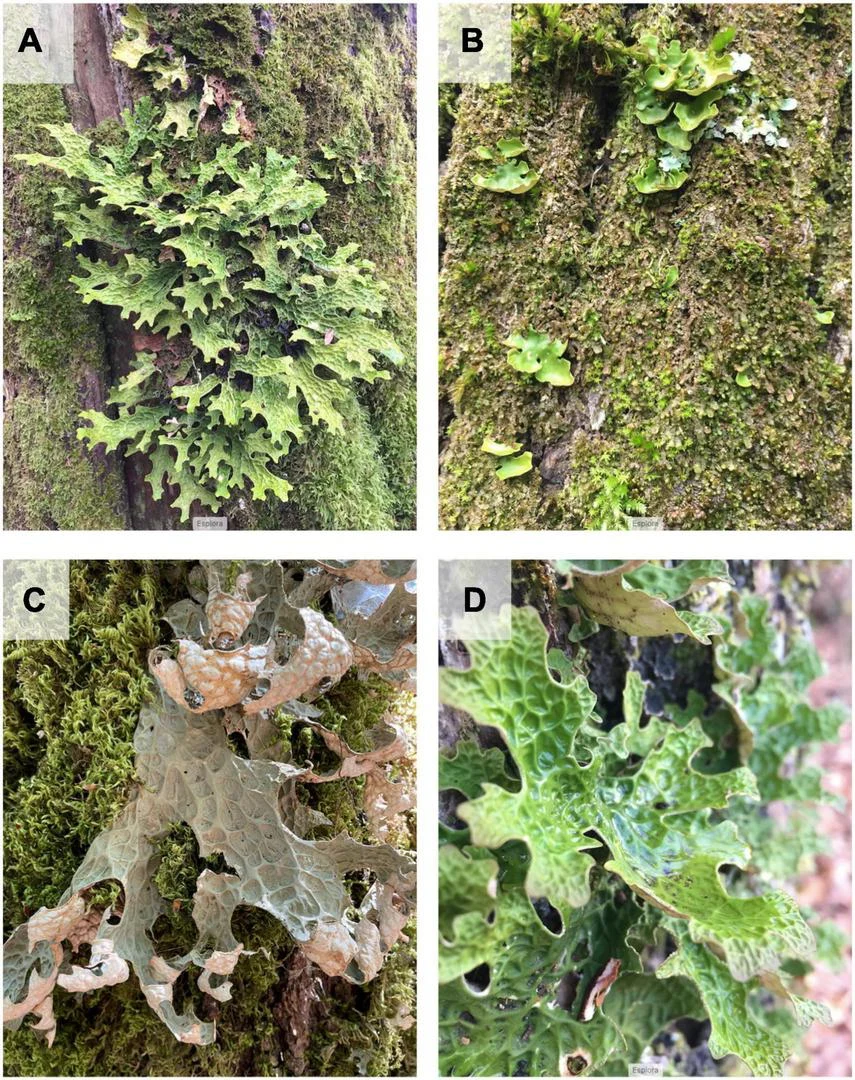
Four field photographs of Lobaria pulmonaria: adult and juvenile thalli, a dry adult and a rain-wetted adult, Di Nuzzo and colleagues’ 2022 figure 1
Panel A shows an adult thallus with overlapping downward-growing lobes; B shows juveniles whose lobes have not yet begun overlapping. C shows a dry adult with curled lobe tips, while D shows a hydrated adult after heavy rain, with water gathering in the lobes. These are photographs of the lichen in different developmental and hydration states. The figure supplies no scale bar.
Overview
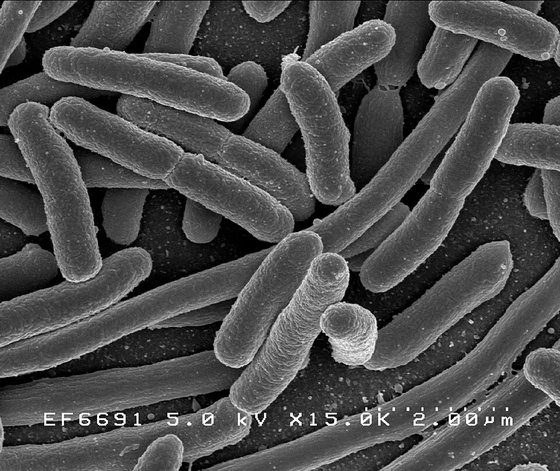
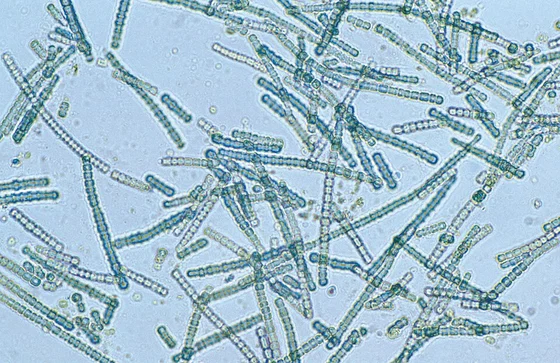
Lobaria pulmonaria forms a leaf-like lichen body, or thallus. Its fungal structure surrounds green algal cells and contains internal clusters of cyanobacteria called cephalodia. This is a living association rather than an ordinary plant leaf: the visible form encompasses several kinds of organisms with different roles. Cernava and colleagues used lung lichen to investigate an additional component, the associated bacterial community. Their 2017 study compares community DNA, expressed RNA, detected proteins and microscopic localization to ask which bacterial groups are present and what functions they might perform.
The newly collected material came from thalli on mountain maple, Acer pseudoplatanus, at Johnsbach in the Austrian Alps, 1,175 metres above sea level. Sampling occurred on 28 June 2014 while the thalli were moist, to capture metabolically active material. Three separately processed thalli supplied pooled RNA. Earlier datasets from the same locality included twenty-four barcoded amplicon samples and one composite metagenome. These are different sample structures, not twenty-four independent measurements for every analytical method. The investigation provides detailed evidence for this population without establishing identical community composition across the species’ entire range.
Five abundant bacterial orders received particular attention: Sphingomonadales, Rhodospirillales, Myxococcales, Chthoniobacterales and Sphingobacteriales. Sequence assignments suggested capabilities involving nutrient handling, vitamin synthesis, aromatic-compound metabolism and stress responses. Some corresponding RNA or protein evidence strengthened the inference that particular functions were expressed. Nevertheless, encoded capacity is not automatically demonstrated delivery of a benefit to the fungal or algal partner. For example, predicted auxin and phenazine production in genomic data was not detected in the transcript data. The proposal that bacterial secretion systems enable communication across kingdoms likewise remained a hypothesis.
Fluorescence-based microscopy localized Spartobacteria on both upper and lower fungal cortices, generally as small colonies among other bacterial aggregates. Probe coverage was incomplete, so the images and molecular assays do not enumerate every bacterial cell or lineage. The study also explains why its analytical approaches can disagree: DNA may include inactive or dead bacteria, RNA depends on current activity, primer choice affects amplicon representation, and protein identification depends on preparation and reference databases. Only a small fraction of operational taxonomic units overlapped all compared datasets. These limitations matter when interpreting the lichen as an extended microbial network. The evidence supports diverse associated bacteria and plausible functional contributions, while specific causal exchanges require targeted experiments beyond these community surveys.
Origins & earliest records
A living lichen-forming fungal species studied here through its associated community. The 2017 paper documents an Austrian population and earlier same-site datasets; it does not date the species’ evolutionary origin.
Evidence & interpretation
Cernava et al. combined sequencing-based assignments, metaproteomic analysis and FISH/confocal localization. Encoded, transcribed and detected protein functions are different evidence levels; causal benefit and cross-kingdom communication are not directly demonstrated for every assigned pathway.
Selected bibliography
Documented works and useful reading. This is not a list of every appearance.
- 01
Deciphering functional diversification within the lichen microbiota by meta-omics
Microbiome 5: 82, 19 July. Complete main Background, Methods, Results, Discussion, conclusions and main caption text. CC BY 4.0.
Family, evolution & connections
Dictyochloropsis reticulata (2017 source name)
Cernava and colleagues identify this alga within Lobaria’s thallus in their microscopy account and Figure 4 caption. The study describes a fungal–algal–cyanobacterial consortium with additional bacterial colonizers; it does not experimentally establish every proposed nutrient exchange or resolve the partners’ ancestry.
Acer pseudoplatanus (mountain maple)
The study sampled Lobaria thalli from mountain maple bark at Johnsbach in the Austrian Alps in June 2014. This is a documented growth substrate at that site, not evidence that the lichen parasitizes the tree or occurs only on this tree species.
References
Sources supporting this profile. Linked pages have their own scope and editorial standards.
- ResearchDeciphering functional diversification within the lichen microbiota by meta-omicsResearch access: 2026-10-05
Image credits
Scientific field photograph compositeFour field photographs of Lobaria pulmonaria: adult and juvenile thalli, a dry adult and a rain-wetted adult, Di Nuzzo and colleagues’ 2022 figure 1
Panel A shows an adult thallus with overlapping downward-growing lobes; B shows juveniles whose lobes have not yet begun overlapping. C shows a dry adult with curled lobe tips, while D shows a hydrated adult after heavy rain, with water gathering in the lobes. These are photographs of the lichen in different developmental and hydration states. The figure supplies no scale bar.