Jingwei
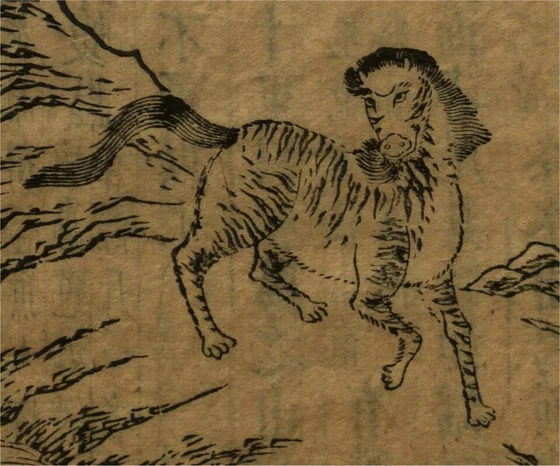
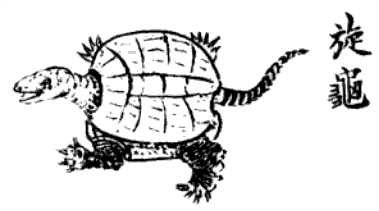
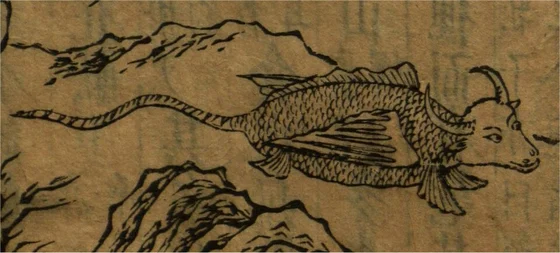
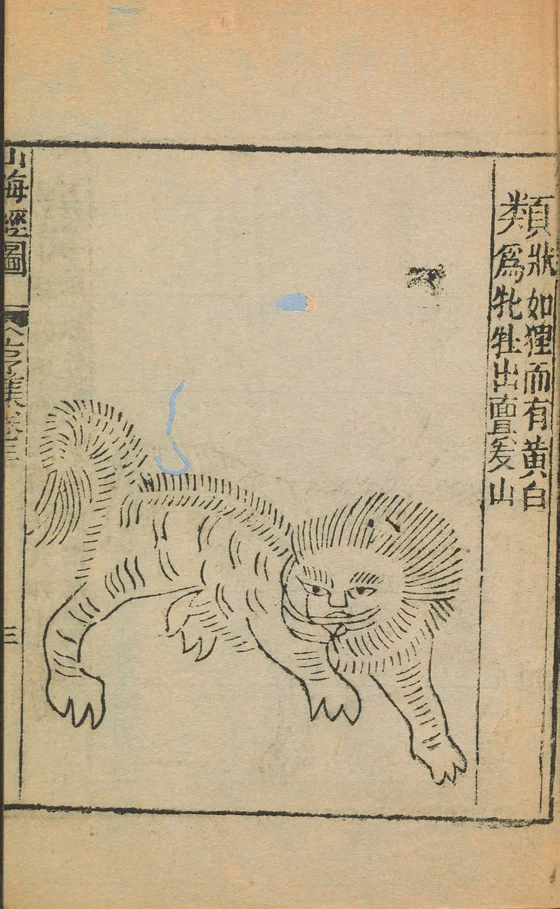
Image associated with the exact linked encyclopedia article; consult credited file description for its interpretation.
Overview
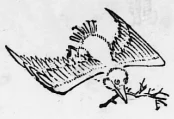
Jingwei is the transformed bird described at Mount Fajiu in the third Northern Mountains itinerary of the Shanhaijing. Its form resembles a crow, with a patterned head, white beak, and red feet. Its call sounds its own name. The named bodily details distinguish the creature from an arbitrary seabird chosen to illustrate the story. The text then identifies an earlier human life, giving this entry a transformation narrative rather than only a mountain inventory.
The girl is Nüwa, the youngest daughter of Yandi. This written personal name should not be confused with the separate creator figure commonly romanized Nuwa. She travels in the Eastern Sea, drowns, and does not return; she subsequently becomes Jingwei. The bird repeatedly carries wood and stones from the western mountains to fill the Eastern Sea. The account describes continued labour, but does not say that she finally succeeds in filling an ocean or that she first possesses control over its waters.
Tao Yuanming’s Reading the Shanhaijing, poem ten, supplies a distinct later literary witness. It places Jingwei carrying small pieces of wood beside Xingtian wielding shield and axe, and reflects on enduring resolve after bodily change. The juxtaposition belongs to the poet’s arrangement; it is not a new Shanhaijing episode in which the bird meets or fights alongside Xingtian. The poem’s small wood against a vast sea makes the scale of the task especially conspicuous.
The original mountain account gives parentage, drowning, changed body, and a recurring action. The poem selects that action for reflection rather than retelling every colour or geographical detail. Together they document both a named mythographic narrative and its reuse as literary imagery. Interpreting the labour as persistence is supported by this poetic context, while an invented rescue, dialogue with the sea, or completed revenge would need a separate witness. Exact dates of composition and historical sightings are not established by the hosted primary transcriptions used here.
Origins & earliest records
China; Shanhaijing, Northern Mountains
Records & interpretation
Directly read Chinese primary-text transcription, with exact named geographical locator; no historical scan claimed.
Selected bibliography
Documented works and useful reading. This is not a list of every appearance.
- 01
Shanhaijing: Northern Mountains
Third northern sequence; Mount Fajiu 發鳩山
Family & connections
A source-supported family tree or inspiration record has not yet been compiled for this profile. Related reading below indicates a connection in subject matter, not a proven lineage or creative influence.
Primary records and illustrations
Shanhaijing, Northern Mountains
北山經. Third northern sequence; Mount Fajiu 發鳩山
Directly read transcription, not a collated historical scan. Identifying passage: 是炎帝之少女,名曰女娃,女娃游於東海,溺而不返,故為精衛。 No exact illustrated plate verified.
References
Sources supporting this profile. Linked pages have their own scope and editorial standards.
- Primary-text transcriptionShanhaijing, Northern Mountains: Third northern sequence; Mount Fajiu 發鳩山Research access: 2026-10-05
- Primary text transcriptionTao Yuanming: Reading the Shanhaijing, poem tenResearch access: 2026-10-05
Image credits
Reference illustrationJingwei
Image associated with the exact linked encyclopedia article; consult credited file description for its interpretation.