Cuca
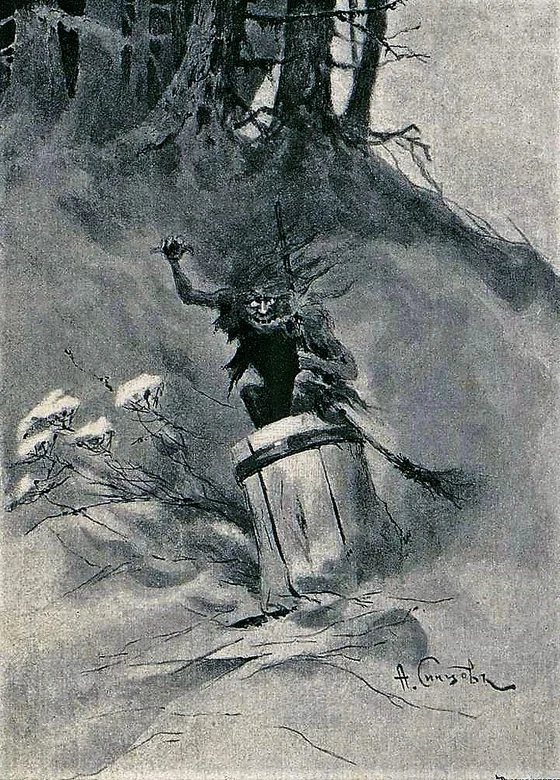
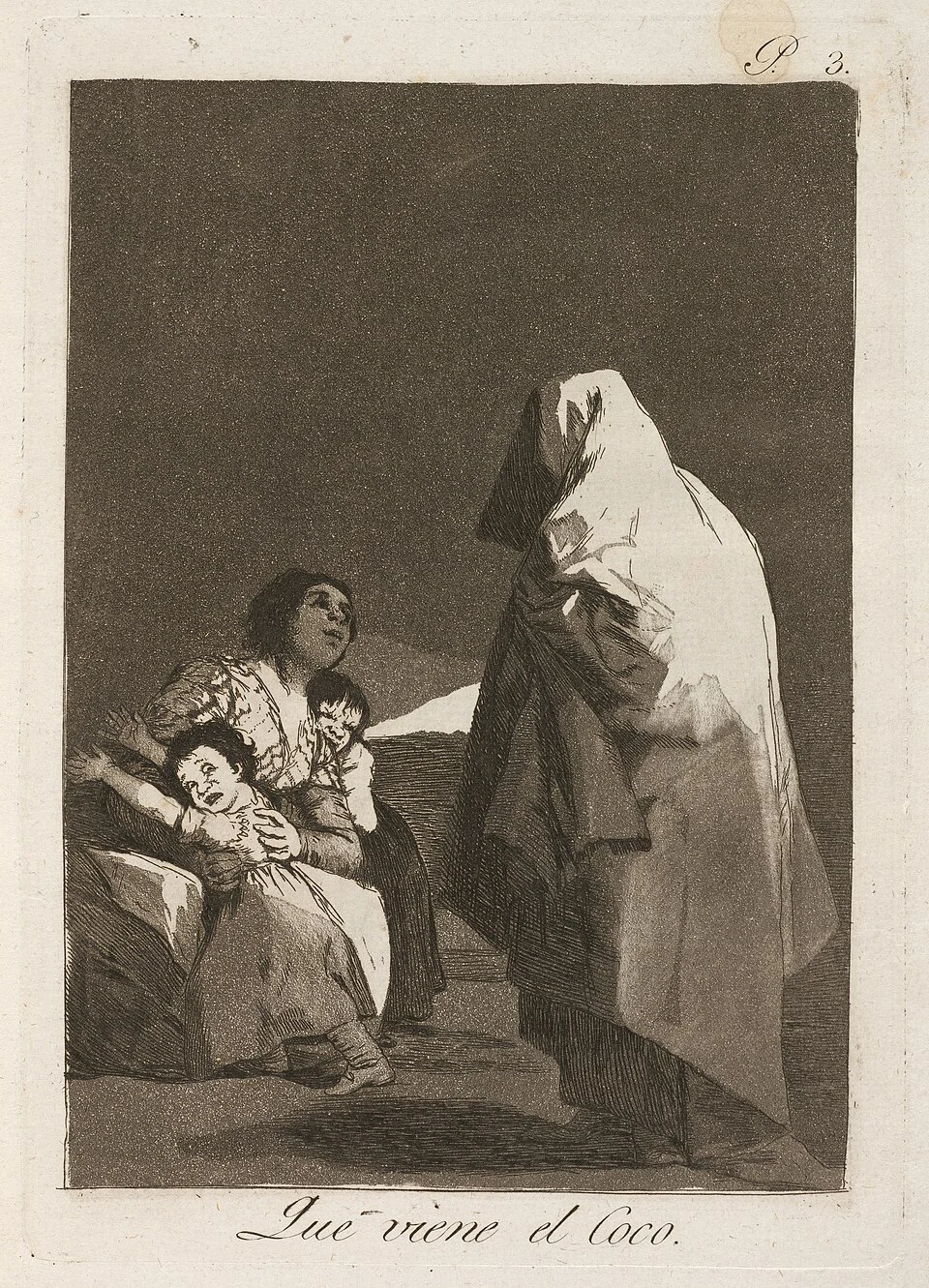
Image associated with the exact linked encyclopedia article; consult credited file description for its interpretation.
Overview
Cuca can function as the feared being in songs and stories used to frighten or warn children. That role does not require a single visible anatomy. Lobato’s O Saci supplies an influential literary portrayal, and later costume and television design gave the figure the strongly recognizable reptilian appearance familiar to many viewers.
The National Library’s material on character studies makes the process of visual invention unusually clear. A designer’s Cuca is a real part of cultural history, but it should not be projected backward into every nursery account. Keeping folklore, literary character and screen costume separate allows comparison of how an indefinite fear becomes a vivid personality through successive acts of interpretation.
The eighth edition of O Saci, published in 1941, provides a precisely located literary version. During a conversation in chapter XIV, Saci portrays Cuca and Iara as rival rulers of land and water, explaining forest conflict through their opposing parties. His account is not a simple good-versus-evil division: he says beauty does not make Iara good, and admits that sacis may serve either side. Pedrinho is unsure whether to believe the explanation. These are represented claims within a novel, not a uniform Brazilian religious doctrine or a natural-history explanation.
The final adventure begins when an owl brings news that Narizinho is missing. Cuca’s responsibility is initially a suspicion and is investigated, rather than known from the first report. Saci follows the evidence and takes Pedrinho to her cave. In chapter XXVIII her face resembles an alligator’s and her claws a hawk’s. Saci describes her as more than three thousand years old and says she sleeps for one night in seven years. Those features belong to this literary witness; the text does not require every earlier nursery frightener or every later costume to share exactly that body and life span.
The companions restrain the sleeping Cuca and use coercion to demand information about Narizinho. Physical force alone is represented as inadequate against such an ancient adversary, so the episode emphasizes Saci’s resourcefulness. Cuca claims that a hair from Iara is necessary, sending them into another dangerous encounter. After their return, Saci exposes the demand as a trap intended to have Iara destroy them. Cuca then asks for a hair from Capora’s beard, but he refuses the second diversion. The supposed ingredients should therefore not be listed as genuine requirements for reversing her enchantment.
Cuca finally identifies a blue flower behind a water pot as the means of restoring the child. She swears not to harm the household again and asks the rescuers to return and release her after confirming the cure. The concluding chapter shows Narizinho changing from stone back into herself when Pedrinho follows the flower instruction. The girl remembers an elderly woman offering the strange flower; its scent left her unable to speak and turned her body to stone. This is transformation and restoration within the story, not an account of her death and resurrection.
Cuca is not killed at the end of the selected episode. The final chapter follows the return to the household and recognition of Saci’s help; it does not narrate a later visit to untie her. Distinguishing what is promised from what is actually shown prevents an invented ending. Likewise, the alligator-like face in this 1941 text supplies one firm point in the figure’s visual reception without proving that every detail of later television design was already present in the 1921 first edition.
Origins & earliest records
Lobato’s O Saci appeared in 1921, while the nursery figure and related Iberian frightener vocabulary have other histories. The selected book and later designs mark reception, not one universal origin. A surviving record dates its documentation, not the beginning of an oral tradition; earlier transmission cannot be timed precisely from this witness alone. The detailed narrative here is anchored to the1941 eighth edition, not assumed to reproduce the1921 first edition unchanged. No first occurrence of the nursery name or Iberian transmission is established by this selected reading.
Records & interpretation
Literary text and documented costume design establish particular versions of Cuca. They are evidence of storytelling and visual interpretation; a crocodilian television figure is not a zoological specimen. This is evidence for cultural expression and recorded interpretation, rather than a zoological specimen or independently verified supernatural event. Complete1941 XIV49–53 and XXVI–XXXIII80–109 read through the final paragraph in the facsimile-linked Portuguese transcription; title identifies Companhia Editora Nacional and eighth edition. Chapter28 supplies alligator face and hawk claws;31–33 distinguish deception, actual cure and ending. No television episode or costume object newly inspected in this expansion.
Selected bibliography
Documented works and useful reading. This is not a list of every appearance.
- 01
O Saci
First publication date retained as bibliography. Detailed text below checked in the separate1941 eighth edition; first-edition collation pending.
- 02
O Saci — eighth edition: A Iára e a Cuca and final adventure
CompleteXIV49–53 andXXVI–XXXIII80–109 read; anatomical description, false hair quest, blue-flower restoration and open release promise distinguished.
Family & connections
A source-supported family tree or inspiration record has not yet been compiled for this profile. Related reading below indicates a connection in subject matter, not a proven lineage or creative influence.
Encyclopedia background
An additional attributed reference, separate from the editorial profile above.
Read the open encyclopedia overview
The Coco or Coca (also known as the Cucuy, Cuco, Cuca, Cucu, Cucuí or El Cucuí) is a mythical ghost-like monster, equivalent to the bogeyman, found in Portugal and Spain. Those beliefs have also spread in many Hispanophone and Lusophone countries. It can also be considered an Iberian version of a bugbear as it is a commonly used figure of speech representing an irrational or exaggerated fear. The Cucuy is a male being while Cuca is a female version of the mythical monster. The "monster" will come to the house of disobedient children at night and take them away.
Text from Wikipedia contributors, “Coco (folklore)”. CC BY-SA 4.0. Extracted introduction; formatting changed. Retrieved 5 October 2026. The source article may have changed since retrieval.
References
Sources supporting this profile. Linked pages have their own scope and editorial standards.
- ReferenceBiblioteca Nacional Digital: Estudos de personagens, A CucaResearch access: 2026-10-05
- Research publication / institutional repositoryCamargo, 2006: O Saci first edition 1921 and later revisionsResearch access: 2026-10-05
- Primary literary dialogue; narrator perspective distinguishedO Saci1941: XIV, Saci’s account of the two queensResearch access: 2026-10-05
- Primary literary text; edition-specificO Saci1941: XXVIII, Cuca’s cave and appearanceResearch access: 2026-10-05
- Primary literary text; ending checked separatelyO Saci1941: XXXII–XXXIII, deception and restorationResearch access: 2026-10-05
Image credits
Reference illustrationCuca
Image associated with the exact linked encyclopedia article; consult credited file description for its interpretation.