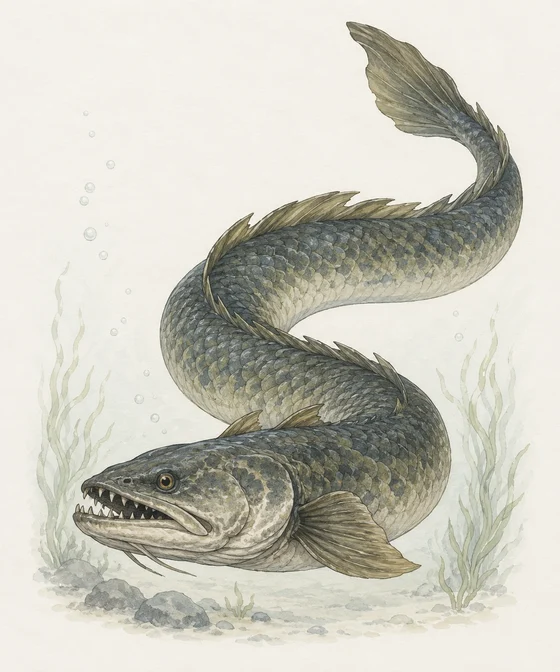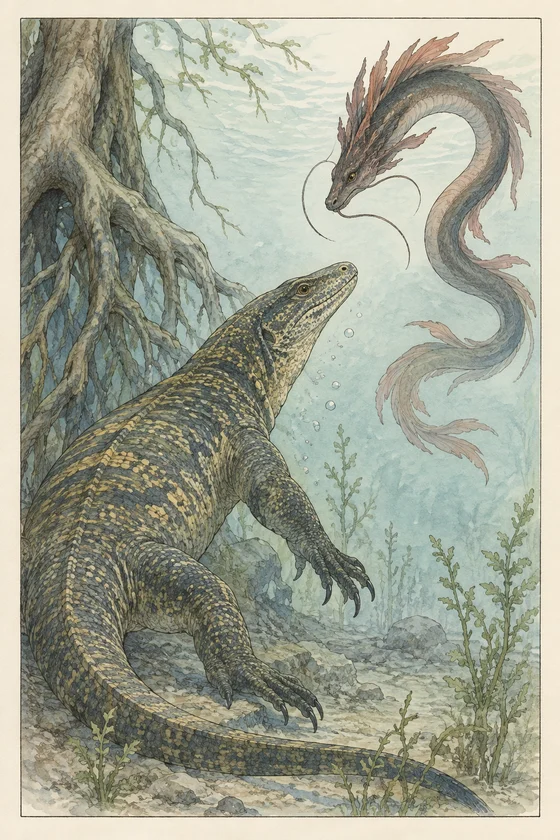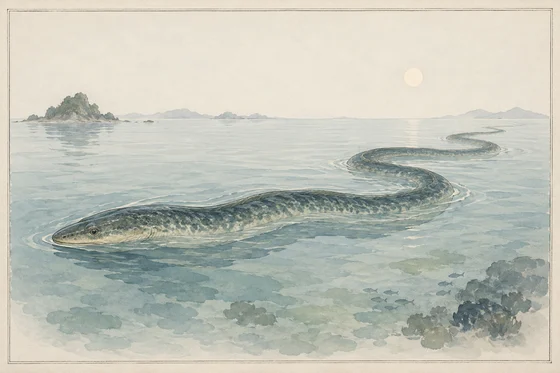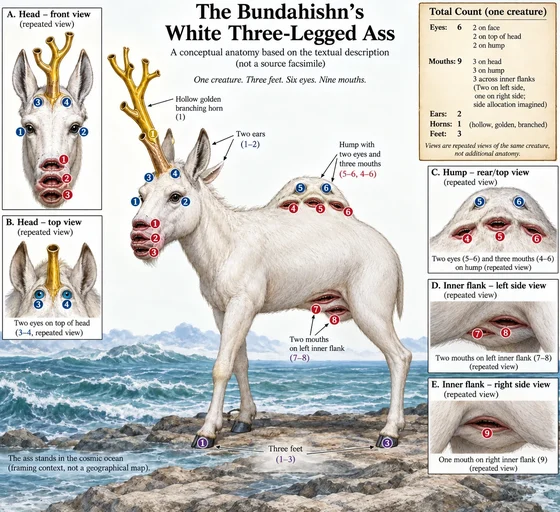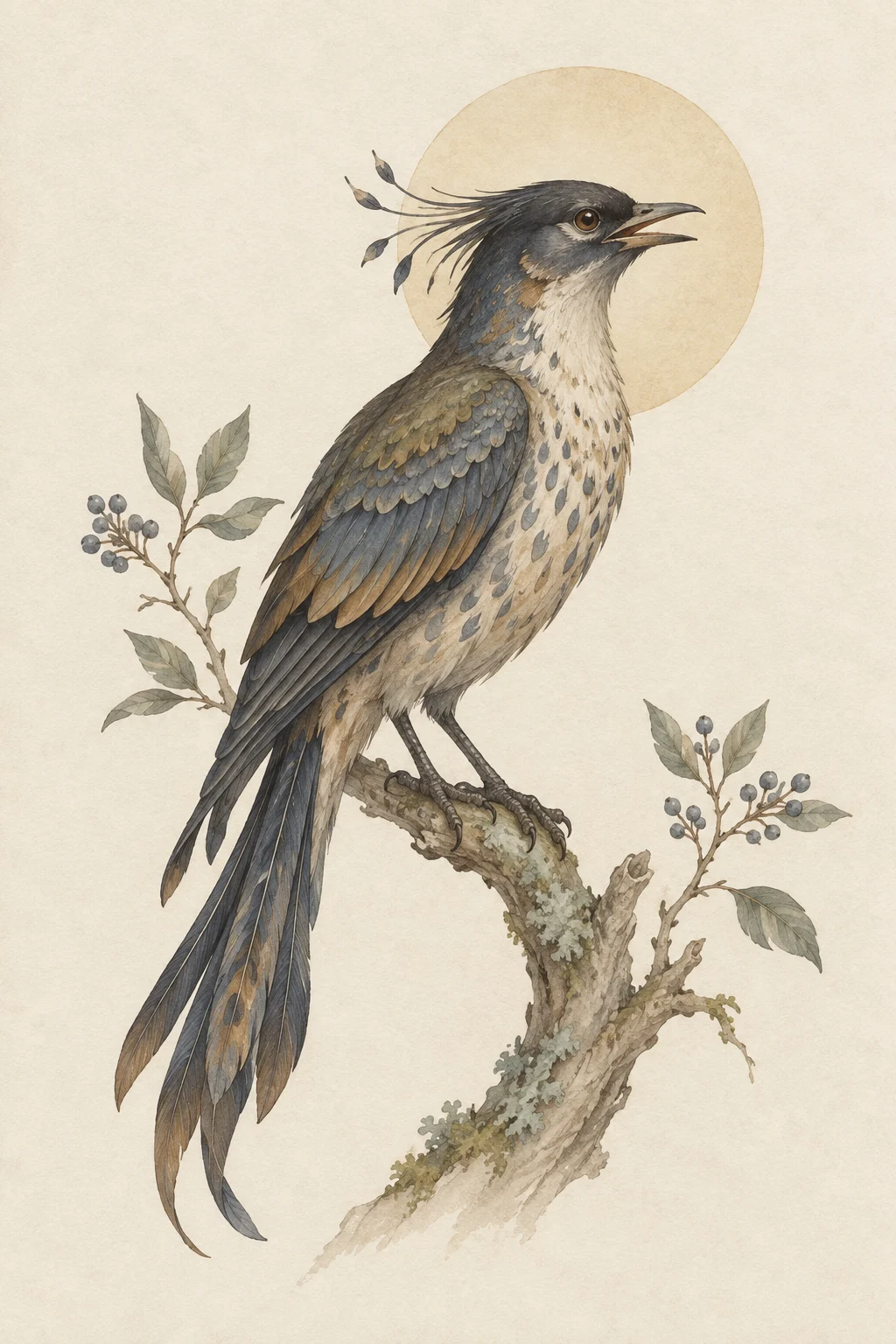
Ashozusht — original modern interpretation.
AI-generated; incidental pose, colors and setting are imagined. Not historical artwork or ethnographic evidence.
Overview
Ashozusht is also called Zobara-vahman and Shok in West’s Bundahishn translation. Its tongue has delivered an Avesta, and its speech makes demons tremble. The passage ties this protective recitation to the treatment of nail parings.
Unprayed-over clippings may be seized by demons and sorcerers and used like arrows against the bird. When the appropriate prayer has been uttered, Ashozusht eats the clipping so its enemies cannot control it. The stated distinction belongs to ritual cosmology, with the bird defending against the harmful use of discarded material.
Origins & earliest records
Iranian Zoroastrian textual cosmology
Records & interpretation
Bundahishn translated primary paragraphs directly read.
3D model
An original procedural model made for the Mythscribe World Builder. It is an interpretation based on this entry, not a historical source or a depiction from the records cited here.
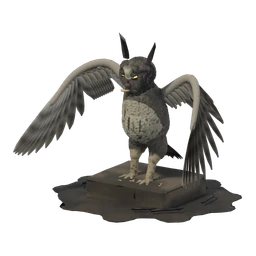
Procedural folklore creature kit · 30,926 triangles · 2.2 MB
Opens mythscribe.cloud in a new tab. Sign-in is required.
Selected bibliography
Documented works and useful reading. This is not a list of every appearance.
- 01
Bundahishn (Indian recension)
Hosted source attributes SBE5 Oxford 1897 edition; chapter/paragraph 19.19–20. Edition date is not text-origin date.
Family & connections
A source-supported family tree or inspiration record has not yet been compiled for this profile. Related reading below indicates a connection in subject matter, not a proven lineage or creative influence.
Primary records and illustrations
Bundahishn
Indian recension, West translation. Chapter/paragraph 19.19–20
Actual numbered translated passage read. No primary illustration or natural-animal identification inferred.
References
Sources supporting this profile. Linked pages have their own scope and editorial standards.
- Historical religious primary-text translationBundahishn 19.19–20 — West translationResearch access: 2026-10-05
Image credits
Original modern interpretation of the cited accountAshozusht — original modern interpretation.
AI-generated; incidental pose, colors and setting are imagined. Not historical artwork or ethnographic evidence.