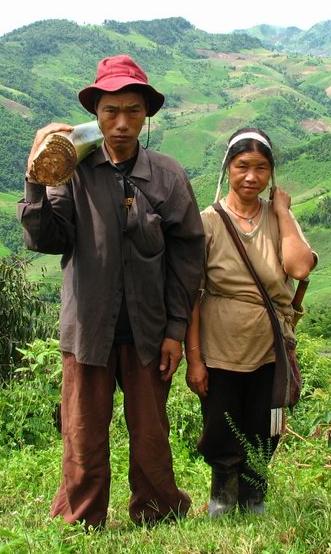
A sourced illustration has not yet been added. This gap is included in the coverage record.
Overview
The Council of Indigenous Peoples explains Pangcah as people or kinsmen and attributes Amis to a neighbouring Puyuma term for northerners. Communities live in Hualien, Taitung and Hengchun. Hualien's account distinguishes northern, central and southern groups, while recognising Sakizaya and Kavalan as separate peoples.
The council recounts conflicts under Qing and Japanese rule, including Cikasuan in 1908 and Madawdaw in 1911. It describes maternal inheritance and matrilocal residence alongside male age classes, with twentieth-century changes. Labour migration from the 1960s formed urban communities.
Harvest festivals differ by community. Changing crops from millet to rice altered their timing; migrants return to participate. The festivals sustain relationships between age classes and between communities.
History & identity
The sources outline selected historical changes without establishing a first community or a biological origin.
Sources & representation
A CIP overview and a Hualien County Indigenous Peoples Department page that draws on the same cultural-centre material, so the two are not fully independent.
Selected bibliography
Documented works and useful reading. This is not a list of every appearance.
- 01
Amis
Selected institutional reference; not an exhaustive bibliography.
- 02
Introduction to the Tribes: Amis
Selected institutional reference; not an exhaustive bibliography.
Language & cultural connections
Source-supported language and cultural connections have not yet been compiled for this profile.
References
Sources supporting this profile. Linked pages have their own scope and editorial standards.
- Official government pageAmisResearch access: 2026-10-06
- Official government pageIntroduction to the Tribes: AmisResearch access: 2026-10-06
Image credits
A sourced illustration has not yet been added. This gap is included in the coverage record.