
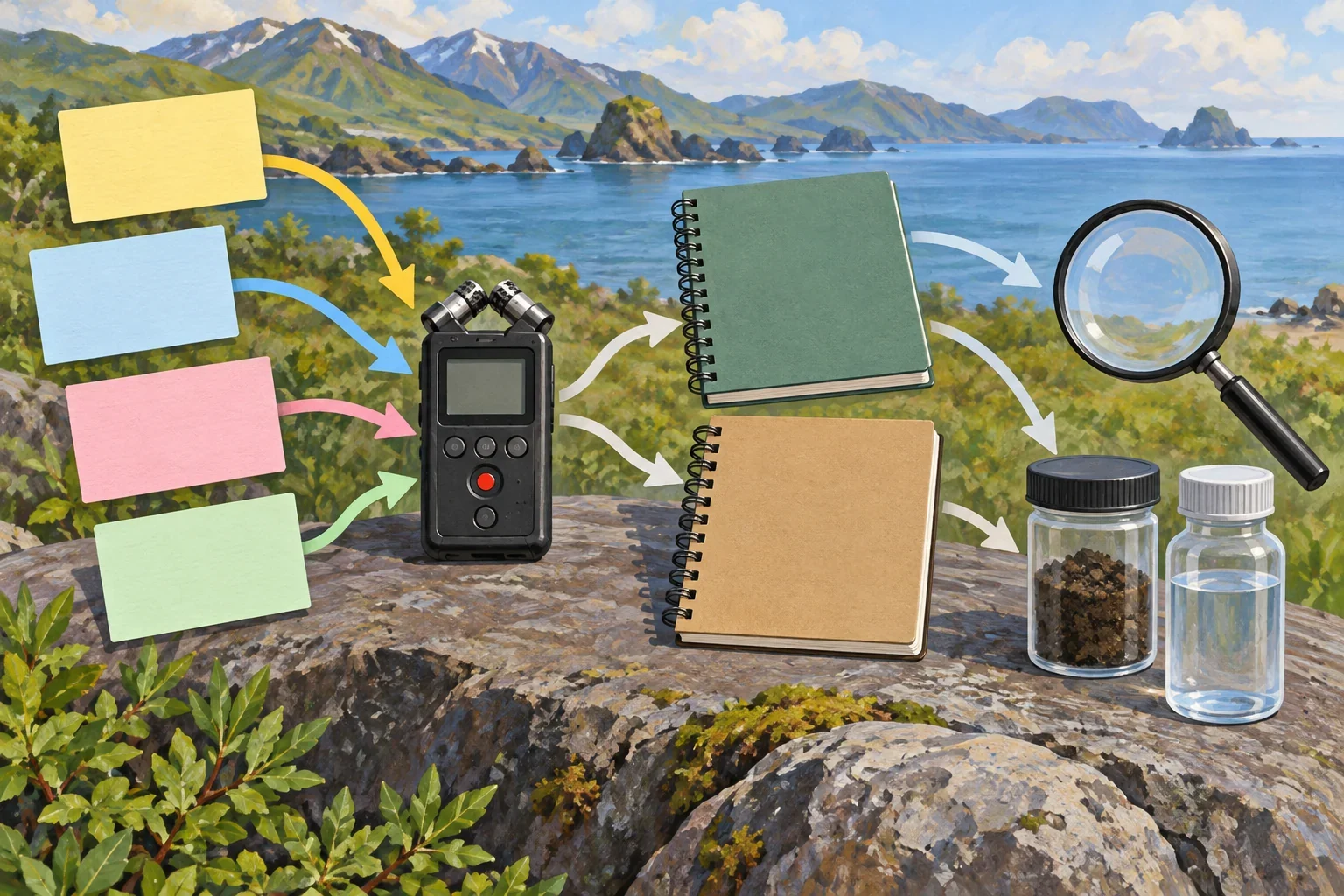
Imagined community consultation linked with environmental learning.
Setting, tools and layout imagined; not ethnographic evidence.
Overview
The Qawalangin Tribe of Unalaska identifies itself as a federally recognised sovereign nation committed to members’ economic and social well-being. Its public mission includes safeguarding Unangan language, culture, customs and traditions across generations. This names a particular tribal nation, not all Unangan people or everyone living in Unalaska.
The city’s public directory describes a culture camp connecting Elders, mentors, biologists and younger generations through learning about subsistence and environmental stewardship. This account illustrates cooperation between cultural transmission and science; it neither supplies authentic camp activities for reconstruction nor makes traditional knowledge freely reproducible.
History & identity
Living communities; selected public institutional accounts.
Sources & representation
Selected public institutional passages retained.
Selected bibliography
Documented works and useful reading. This is not a list of every appearance.
- 01
- 02
Language & cultural connections
Source-supported language and cultural connections have not yet been compiled for this profile.
References
Sources supporting this profile. Linked pages have their own scope and editorial standards.
- Tribal government missionQawalangin Tribe of UnalaskaResearch access: 2026-10-11
- Municipal community directoryQawalangin TribeResearch access: 2026-10-11
Image credits
AI contextual interpretationImagined community consultation linked with environmental learning.
Setting, tools and layout imagined; not ethnographic evidence.